Author: zera
To Protect Our Team: ZERA Removes Public Team Listing
To protect our team, we have temporarily removed the public team overview from our website. This decision was taken in response to repeated personal attacks and doxxing attempts as part of the ongoing campaign against our institute.
New research reports published
New research reports published
Our latest reports examine how online radicalization, antisemitism, and the legitimation of violence evolve in digital spaces—and the role played by influencers, comment sections, and algorithmic amplification. The reports combine empirical research with concrete implications for policy and practice.
Inside the Writers’ Room – Jewish Literature as a Space for Encounter, Empathy, and Shifting Perspectives | 30th January 2026
Inside the Writers’ Room –
Jewish Literature as a Space
for Encounter, Empathy, and Shifting
Perspectives | January 30, 2026
This workshop took place on January 30.
Literature can be more than entertainment. It can open spaces, shift perspectives, and create encounters beyond political slogans. In this workshop, we explored Jewish and Israeli literature as a distinct space of resonance — not in abstract or theoretical terms, but through texts, voices, and experiences that speak to us directly.
Together with Ariella Chmiel and Linda Rachel Sabiers, we discussed what literature can do, why stories often communicate more than debates, and why it may be especially important today to speak about “Jewish literature.”
Through selected excerpts, we entered into conversation: What emotions do texts evoke? What perspectives do they open? What can we learn about Jewish life without it having to be explicitly explained?
The second interactive part focused on prejudices, clichés, and cultural images. In an open and accessible format, we explored how literature can reproduce stereotypical ideas — or consciously break them open.
The workshop was open to all interested participants, regardless of prior knowledge. At its center were exchange, curiosity, and the experience that literature can change the way we see the world — quietly, but profoundly.
Extremism, Language, and Responsibility – Reflections on the Evening of January 29, 2026
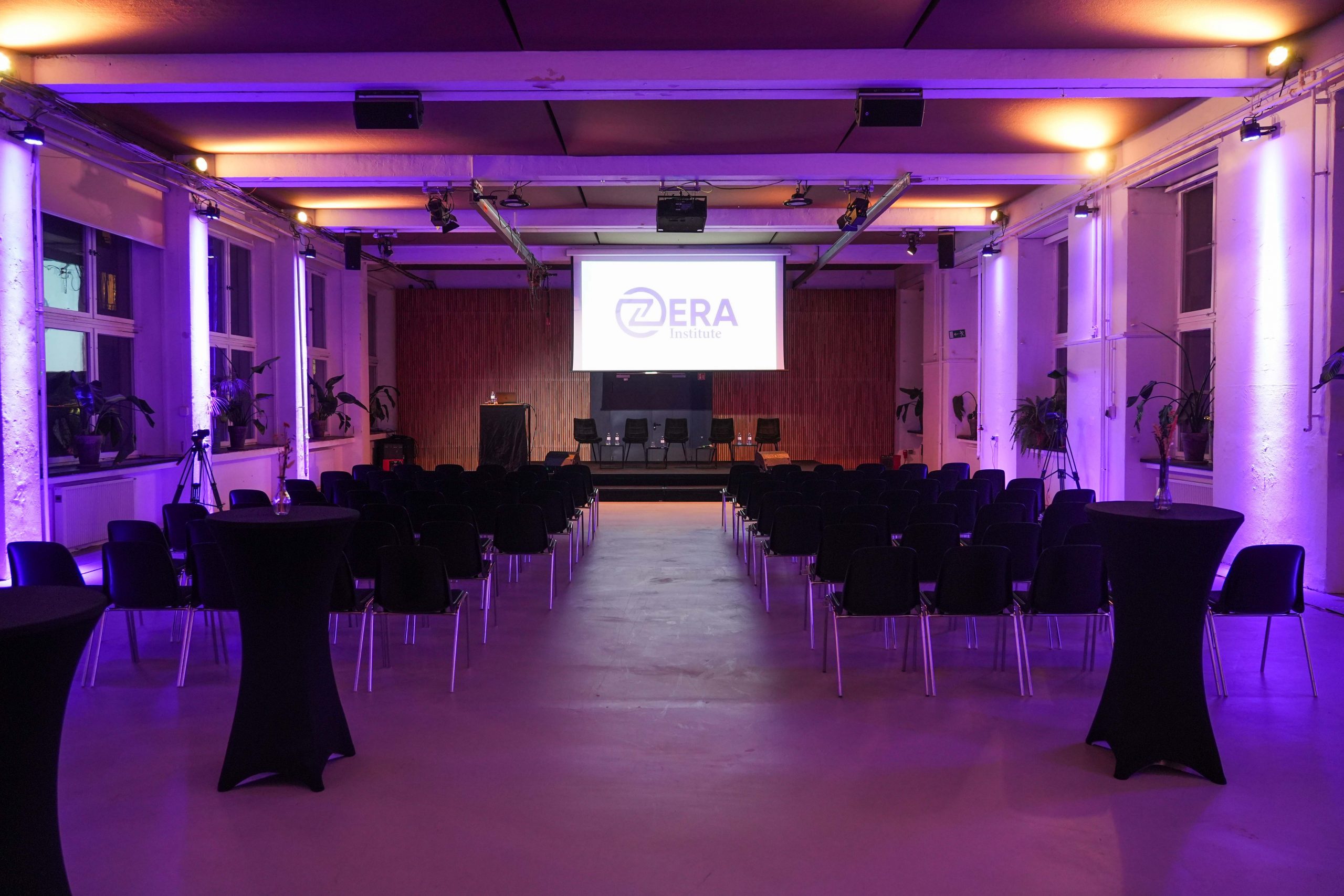
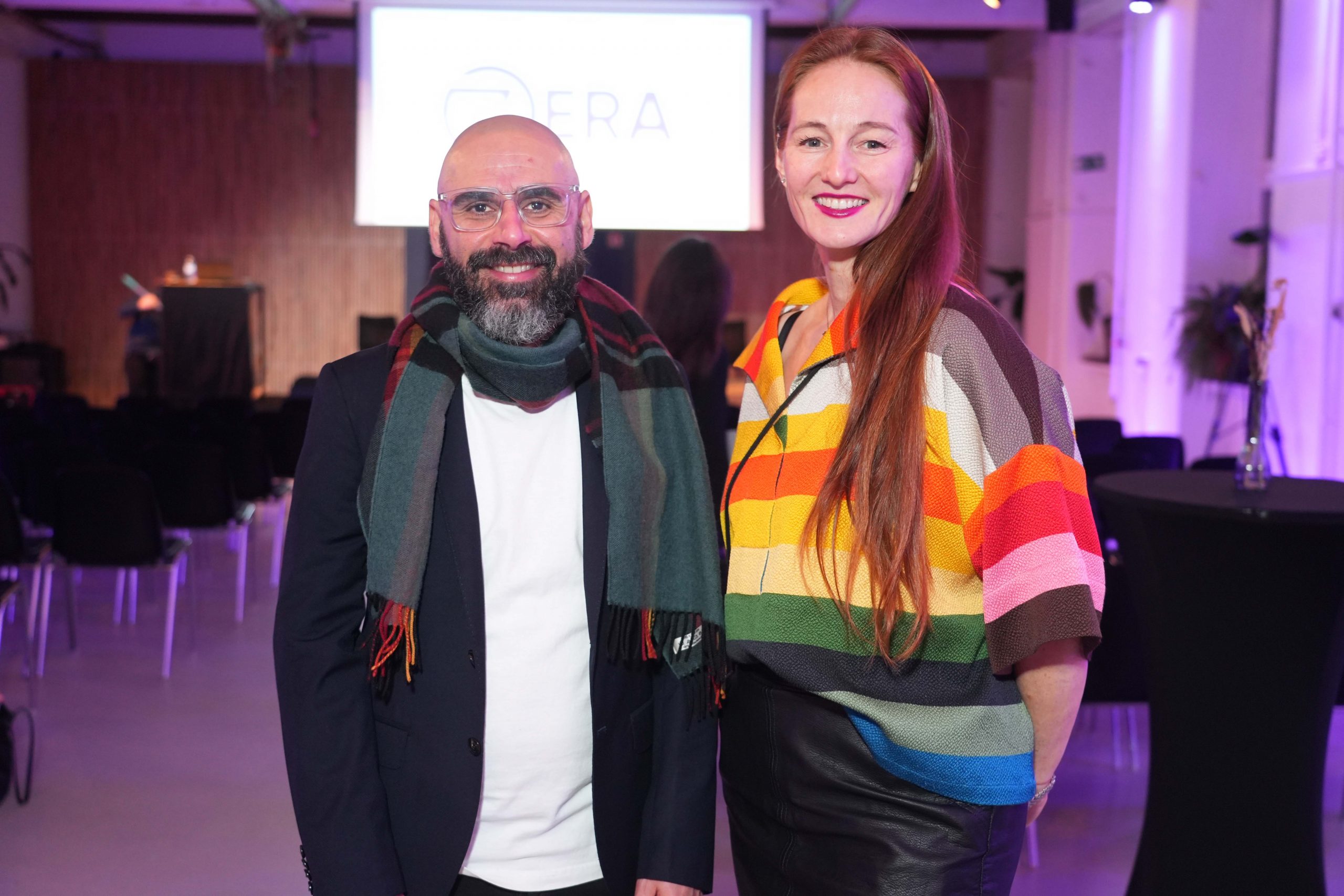
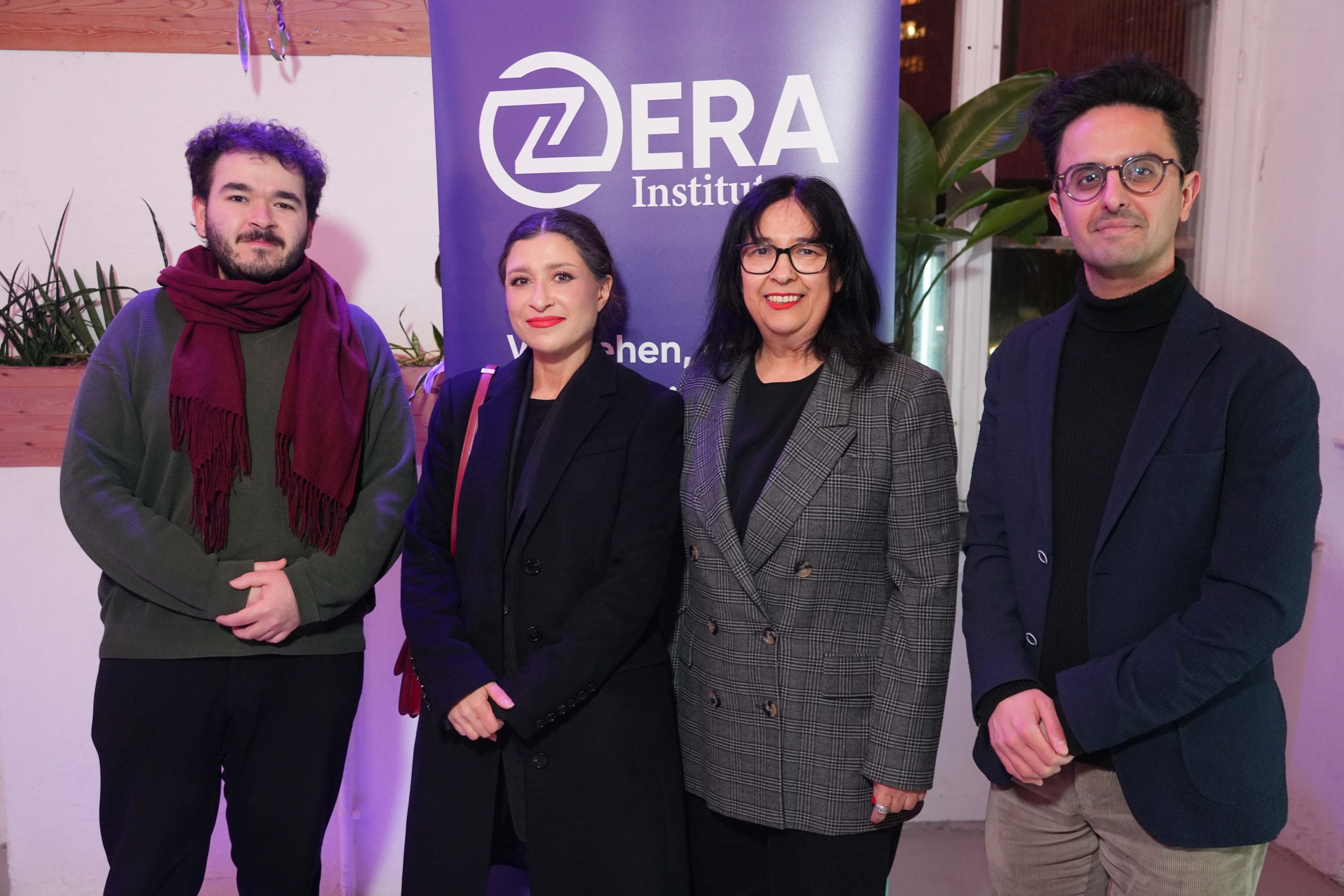
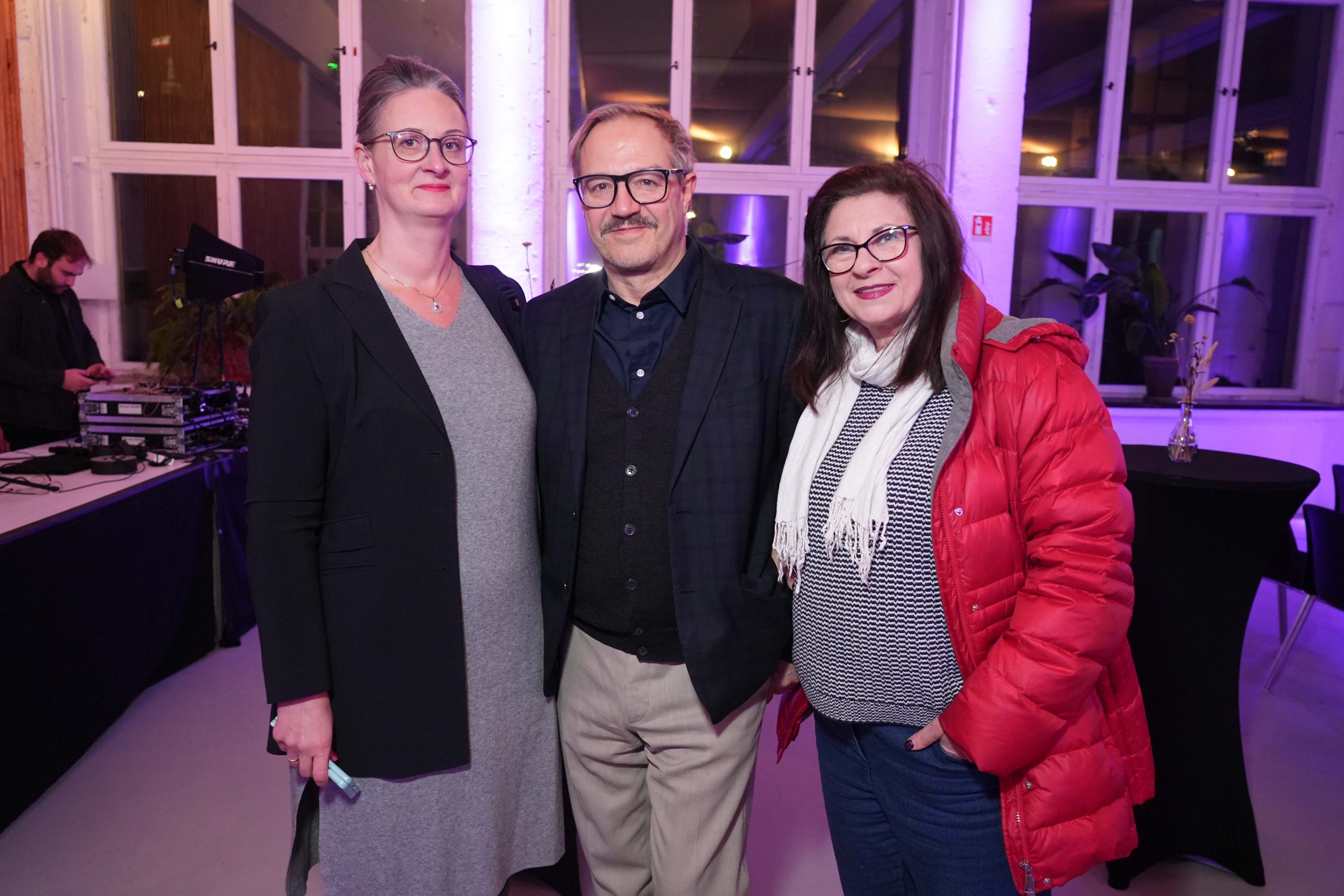
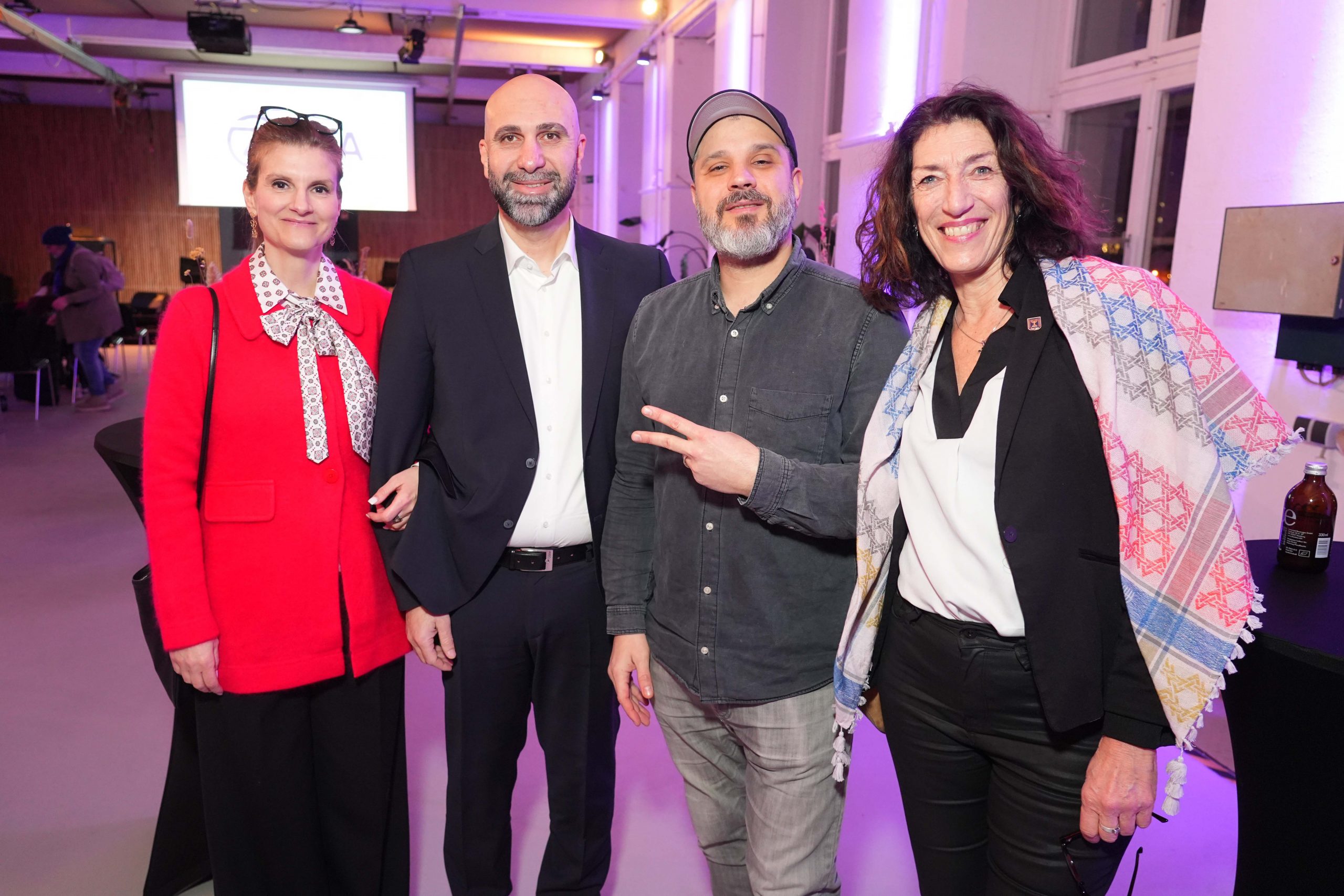
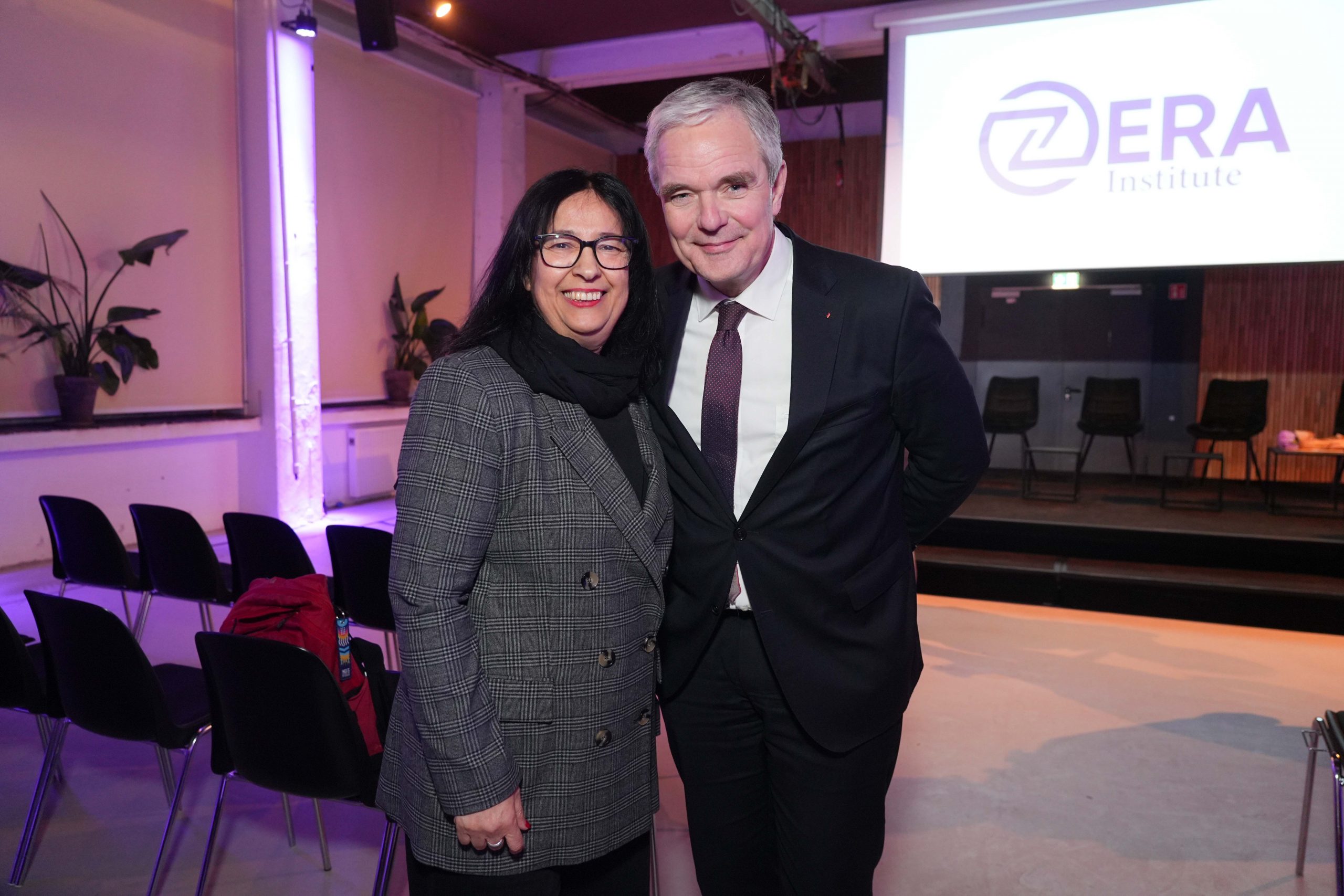
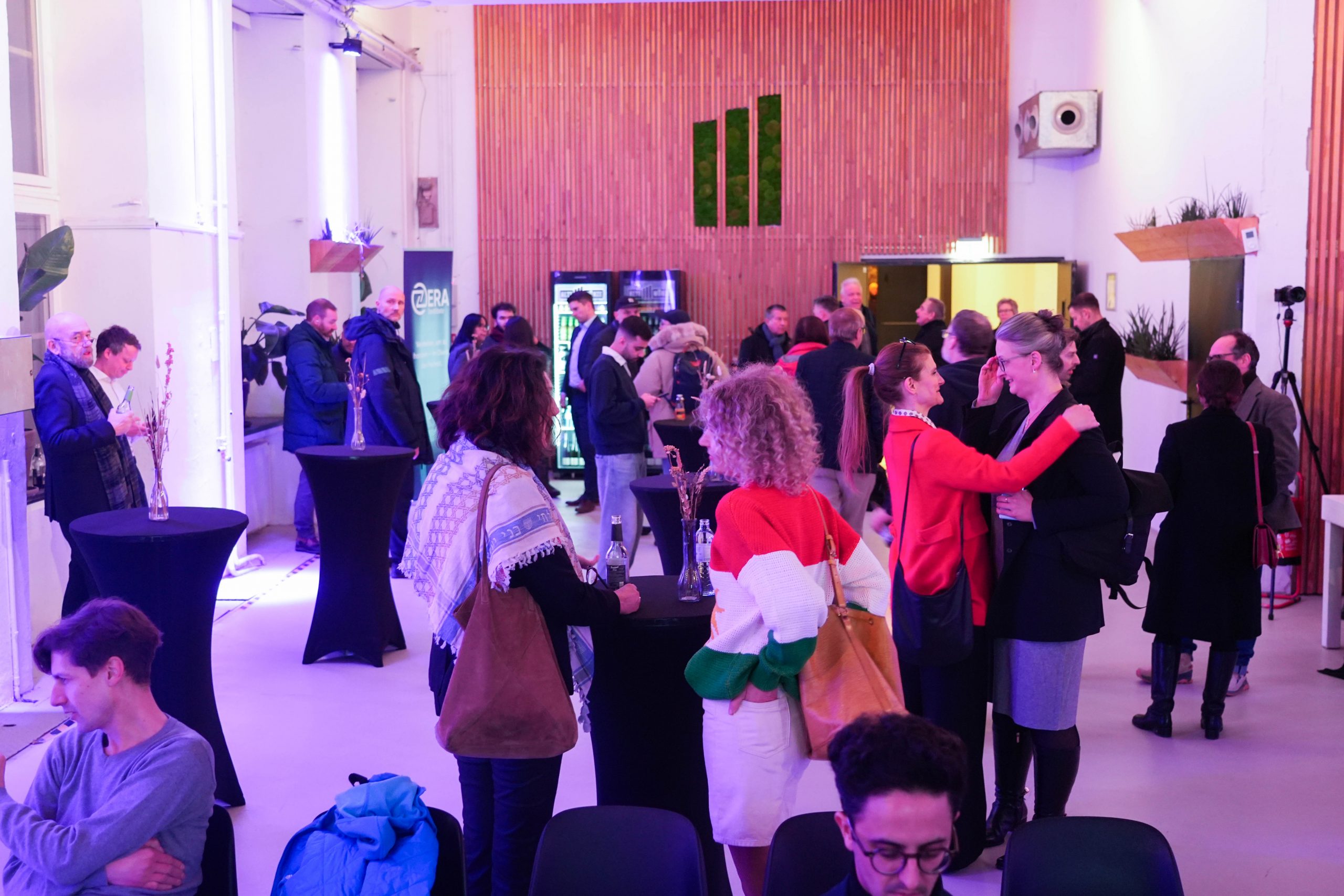
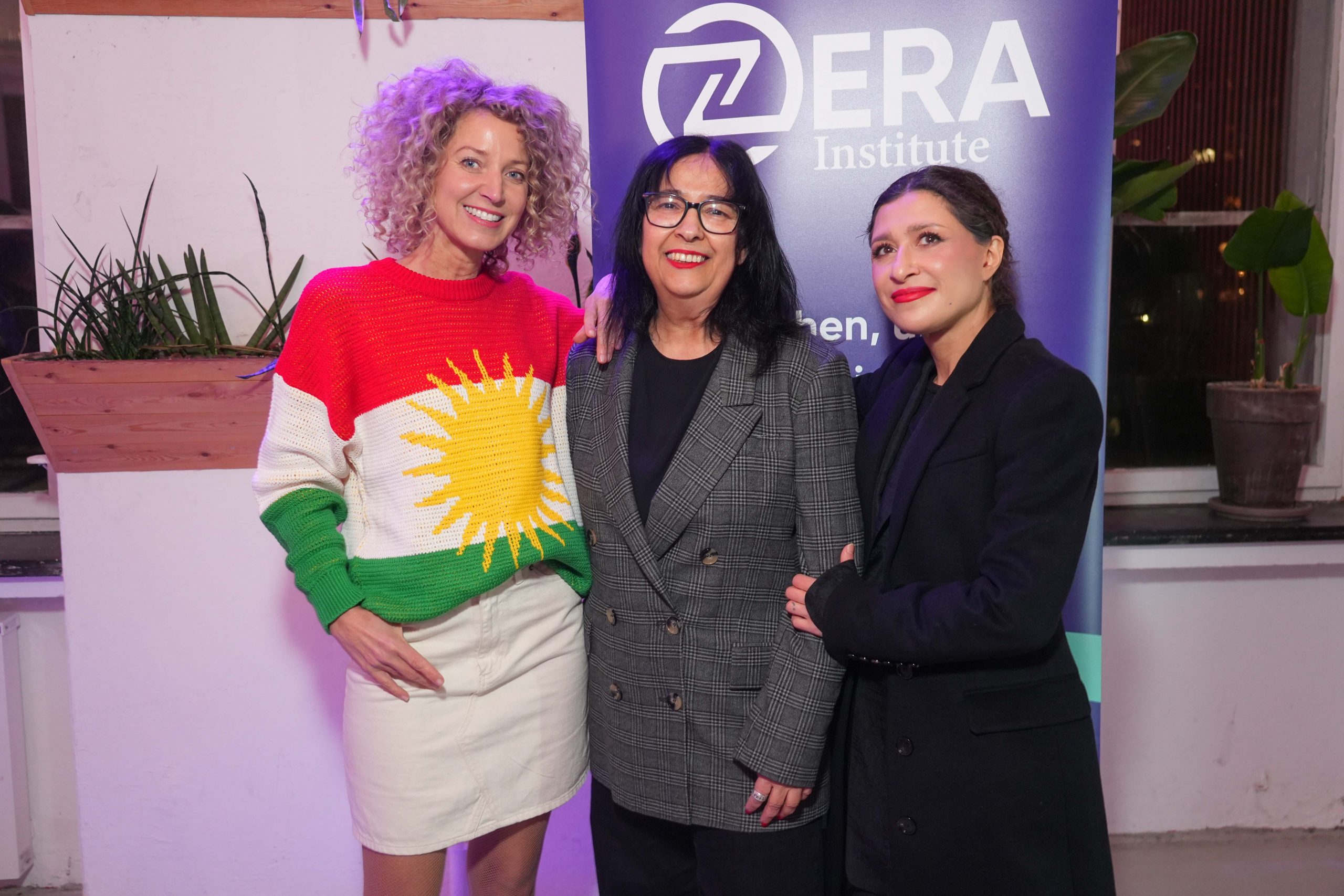
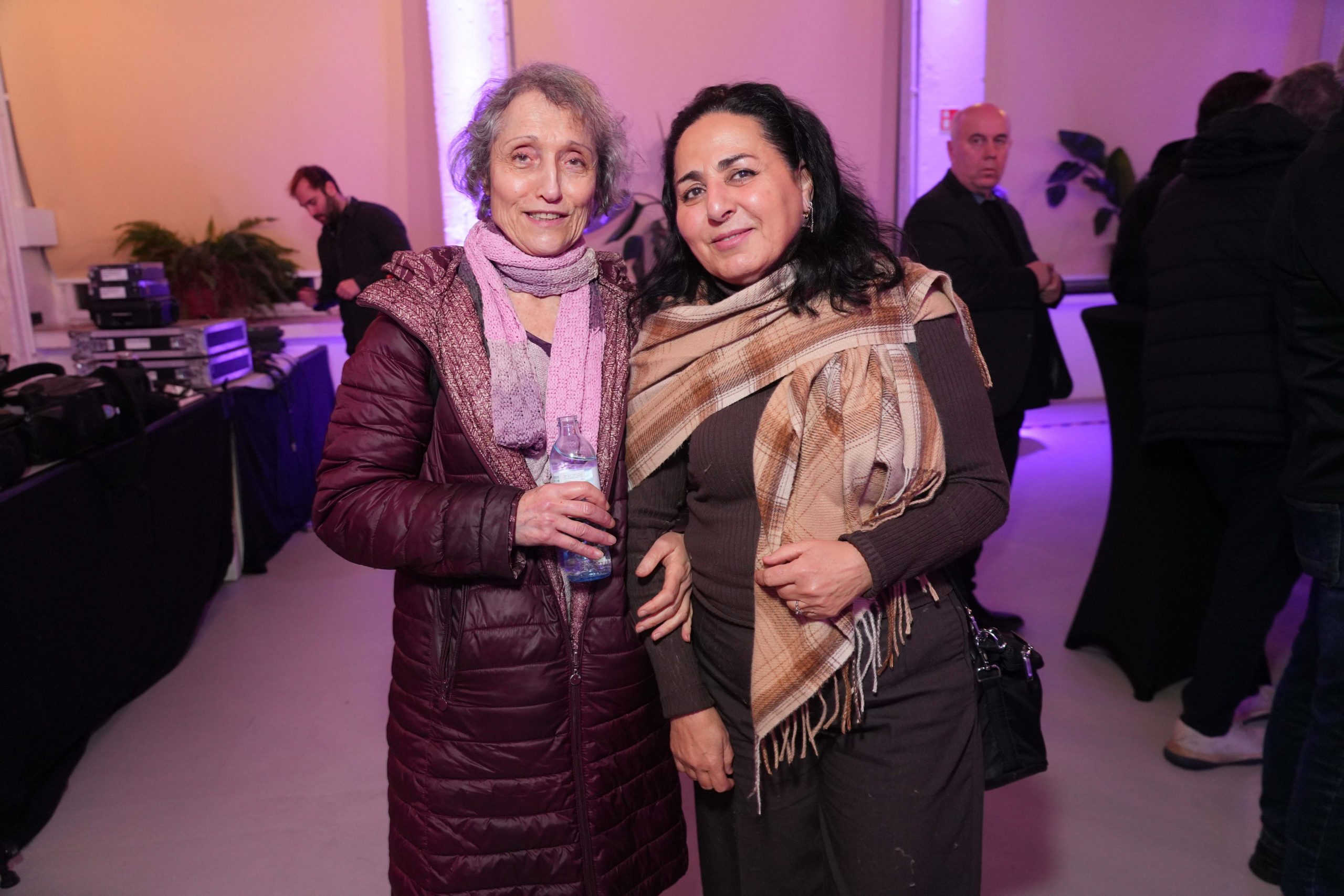
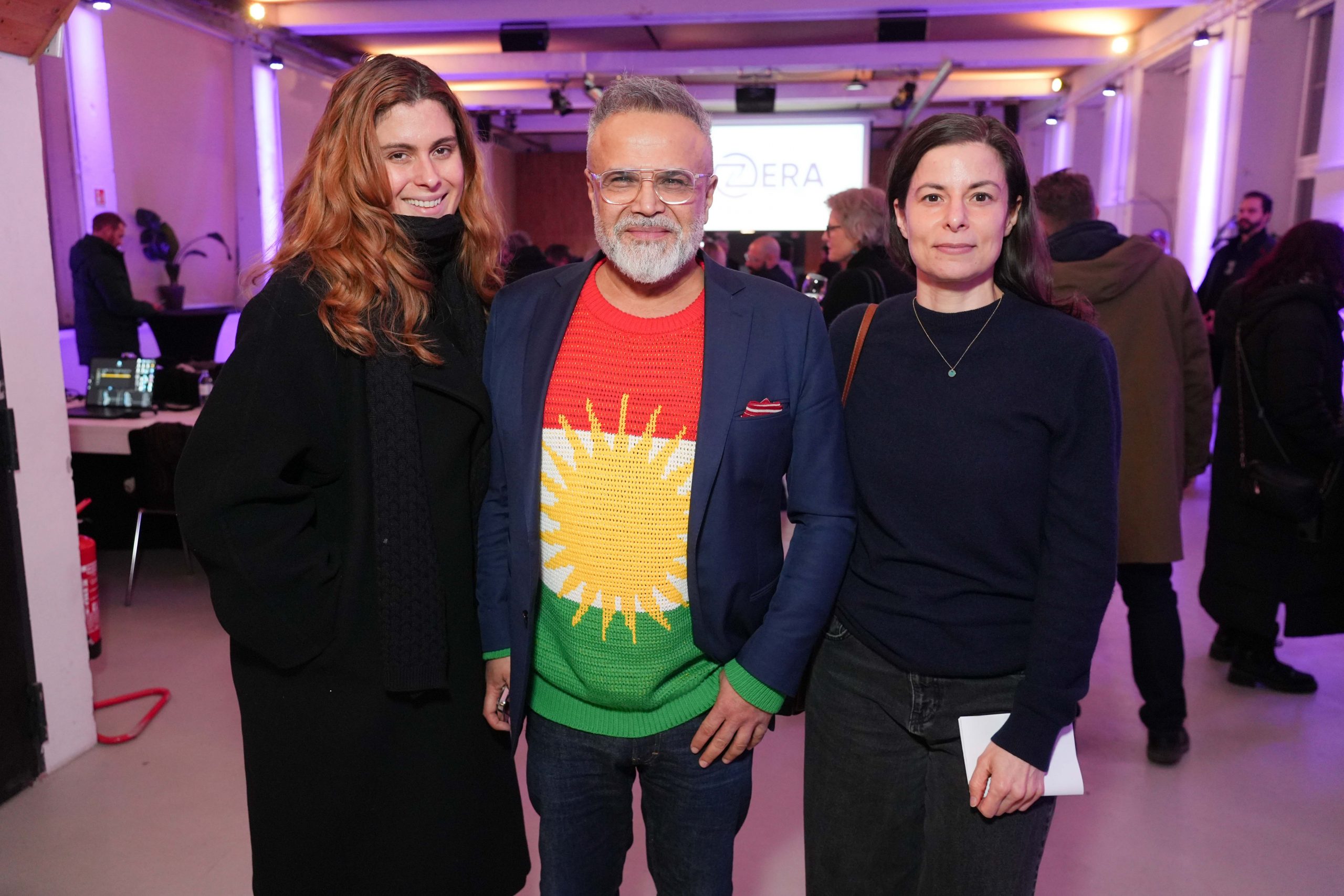
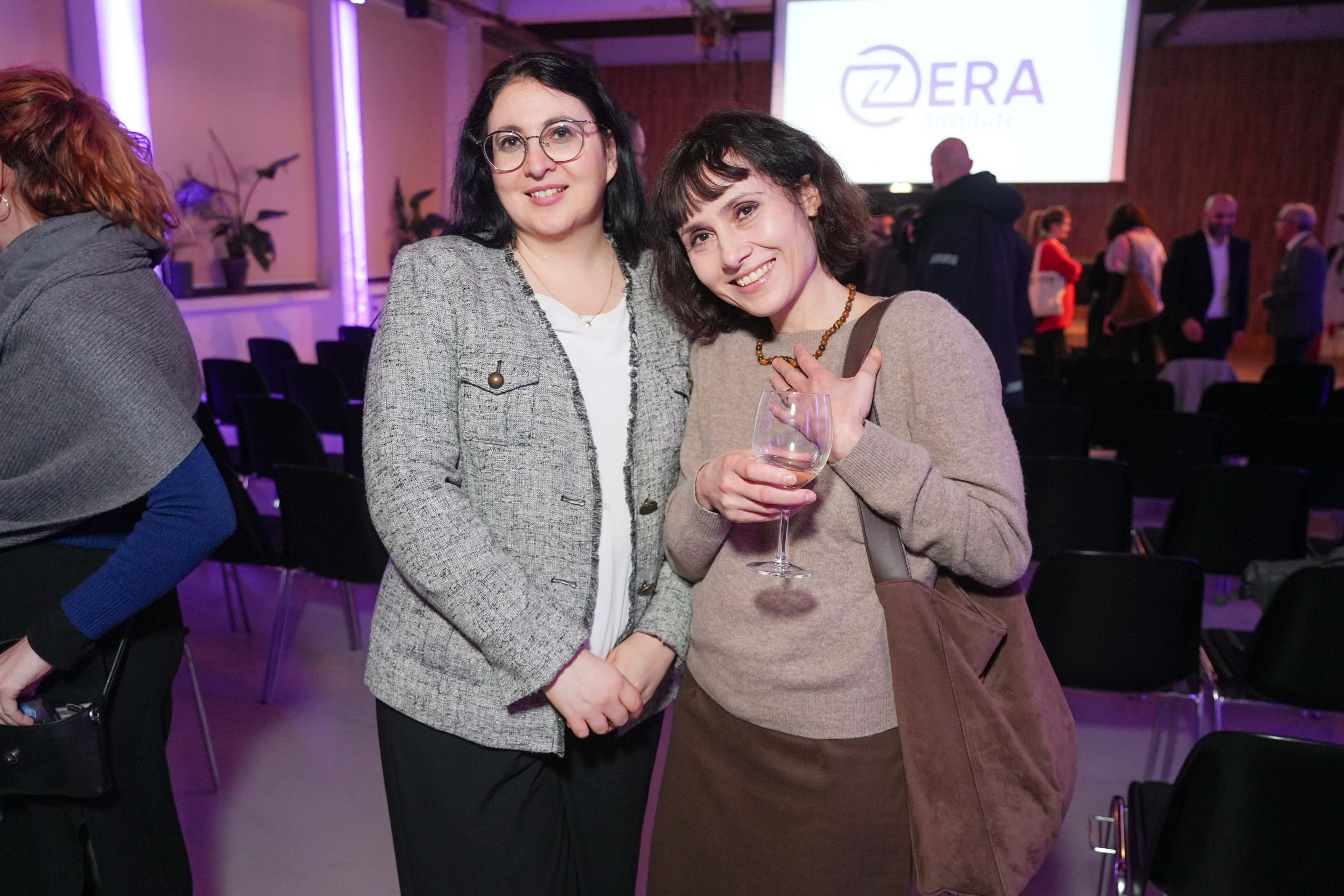
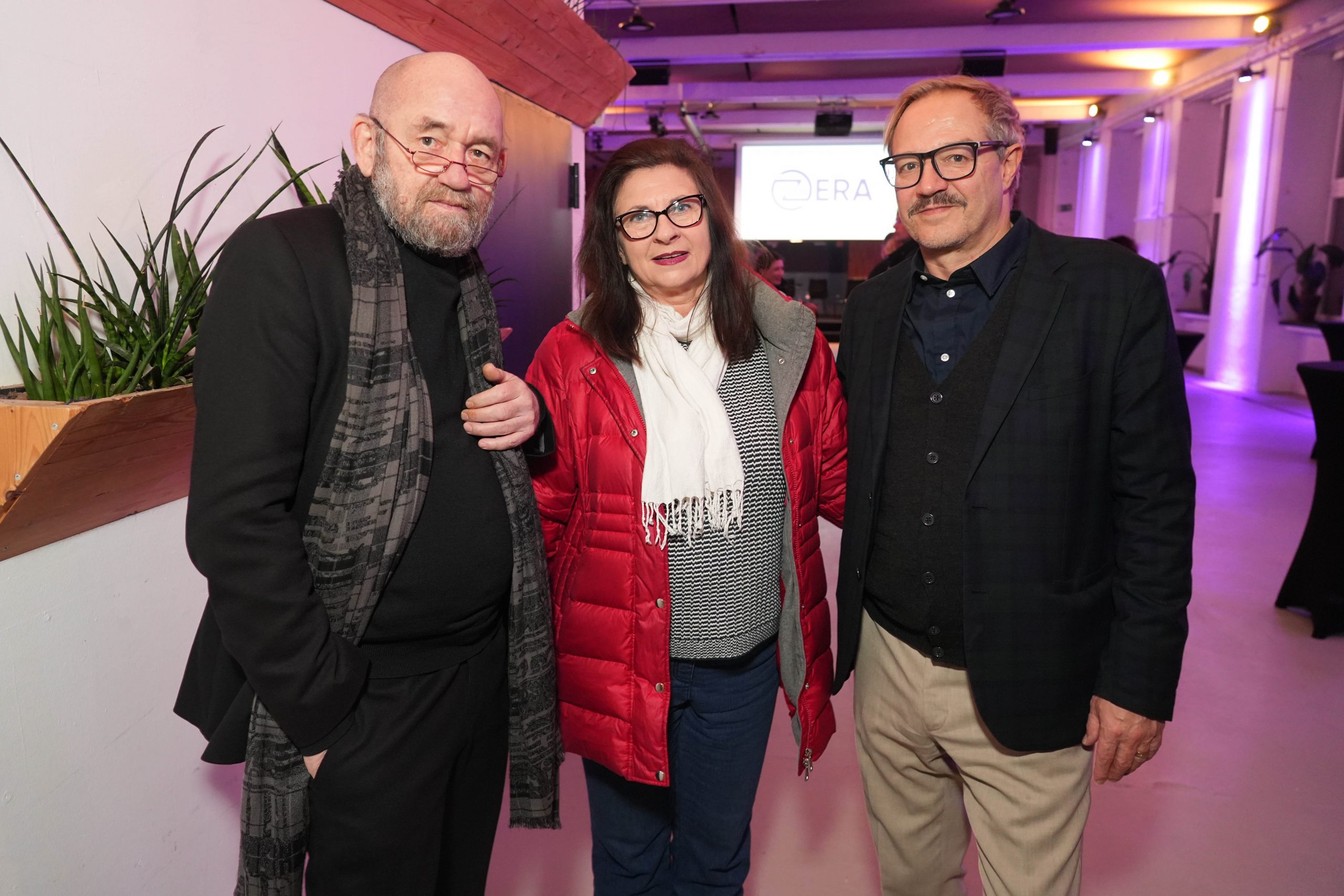
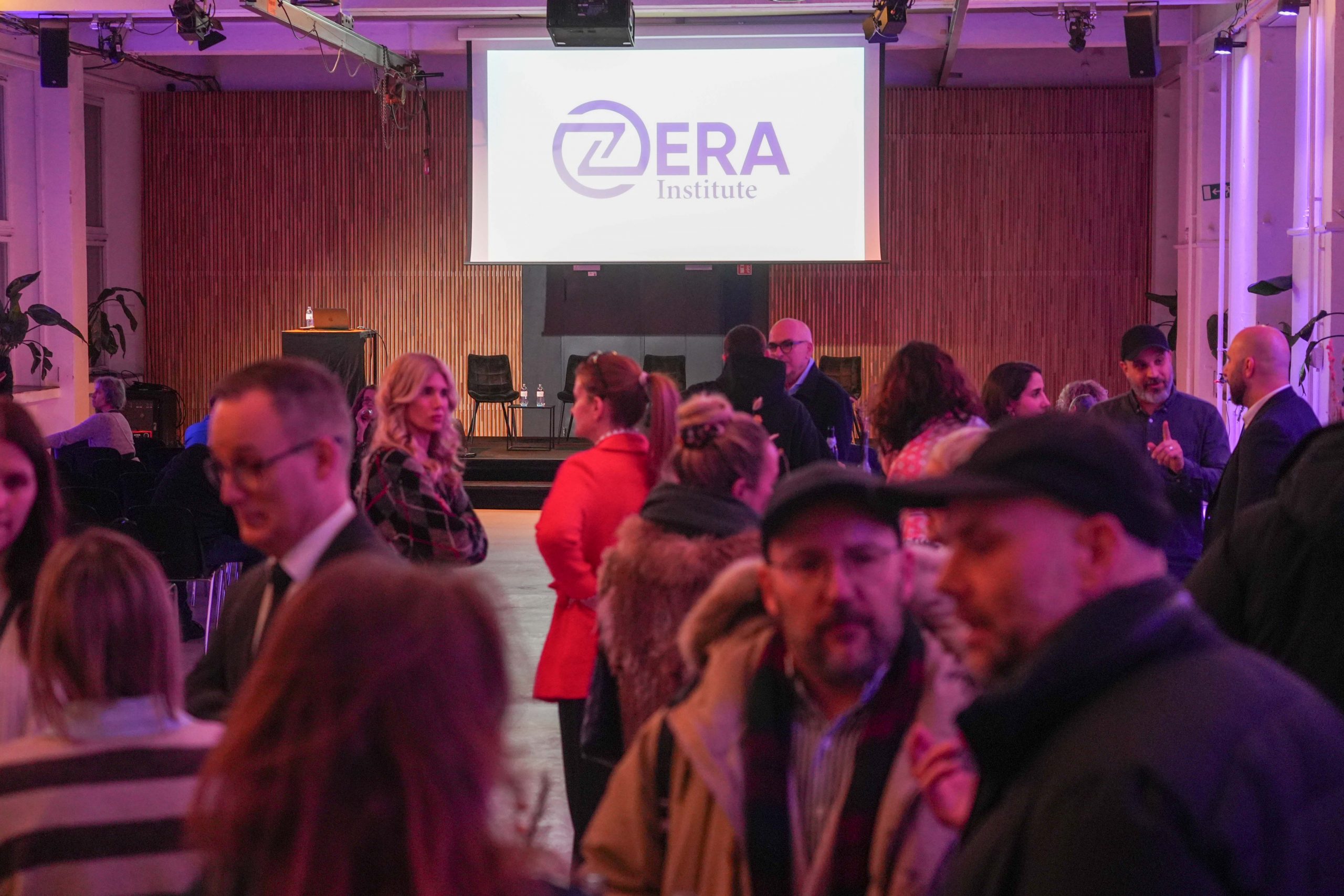
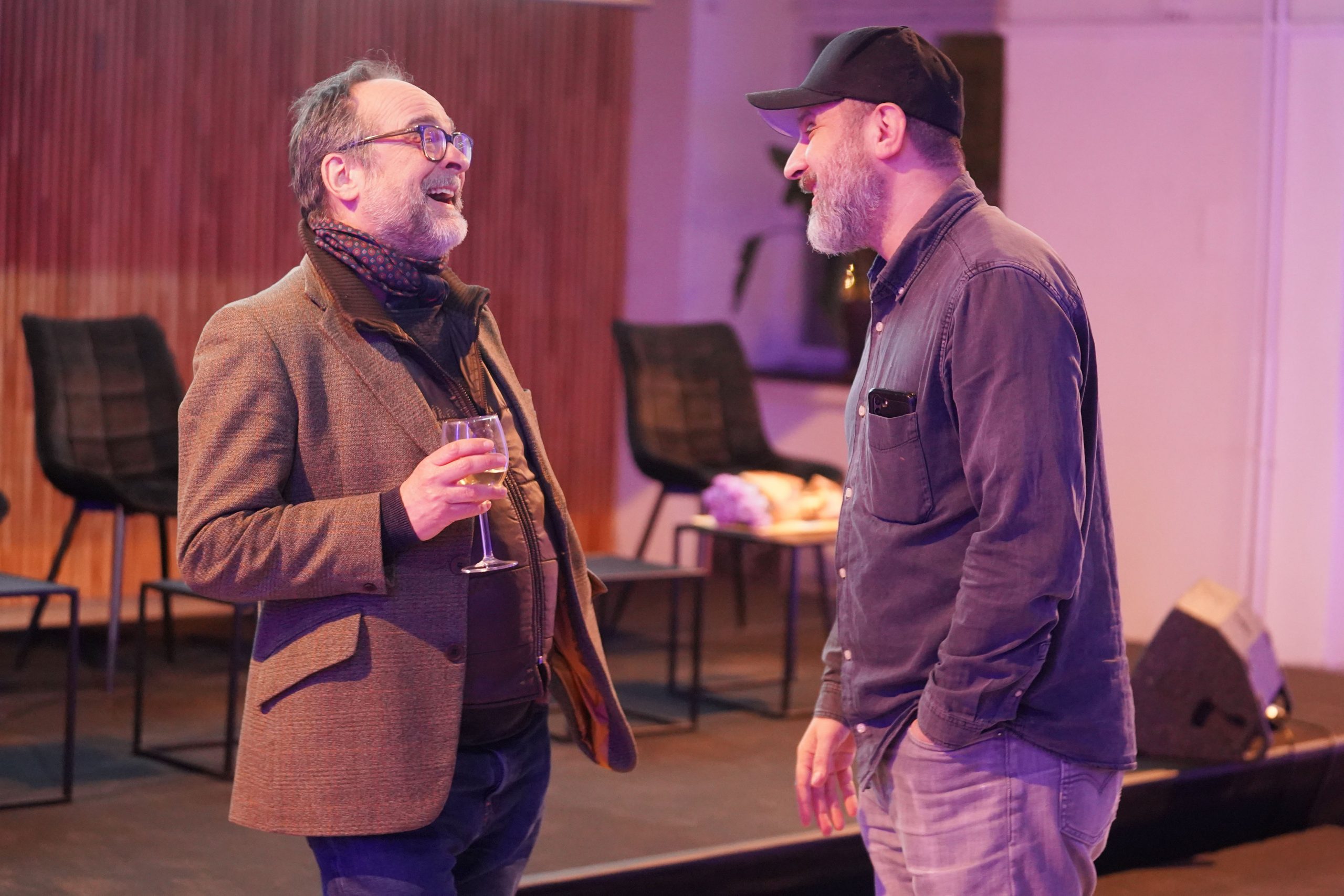
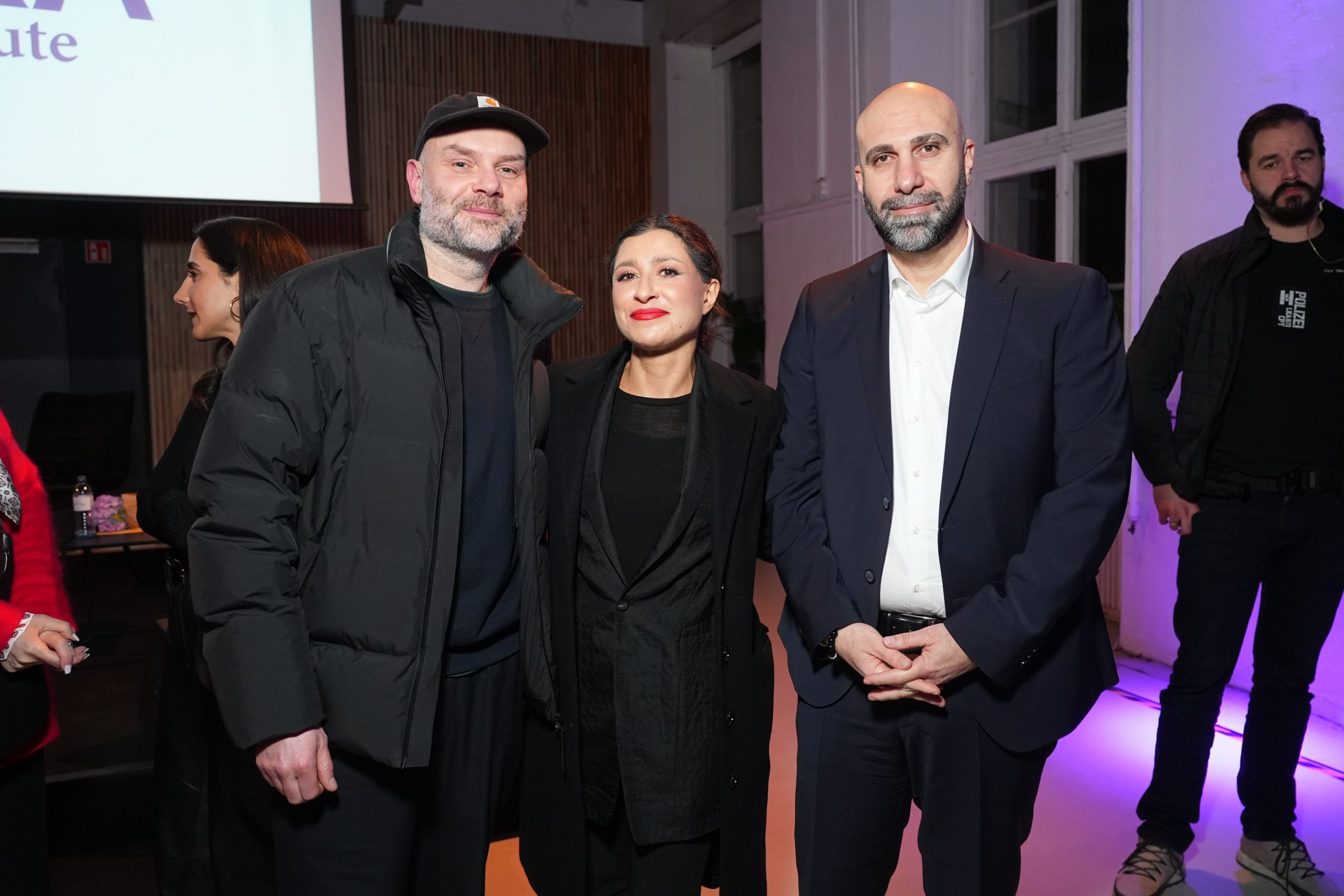
On January 29, 2026, guests gathered at the Alte Münze in Berlin for an event hosted by the ZERA Institute to discuss the role of digital spaces in radicalization, antisemitism, and the normalization of violence.
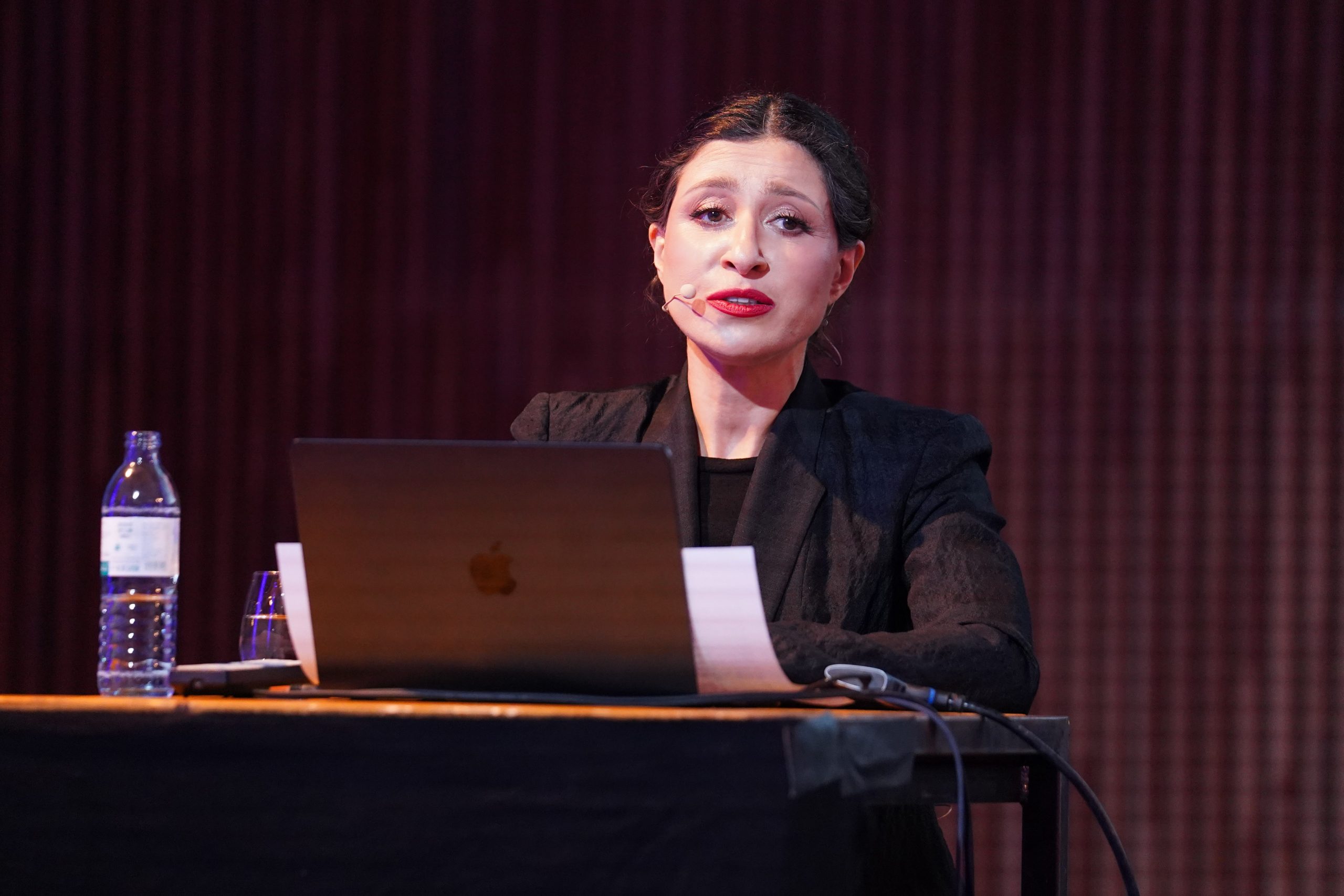
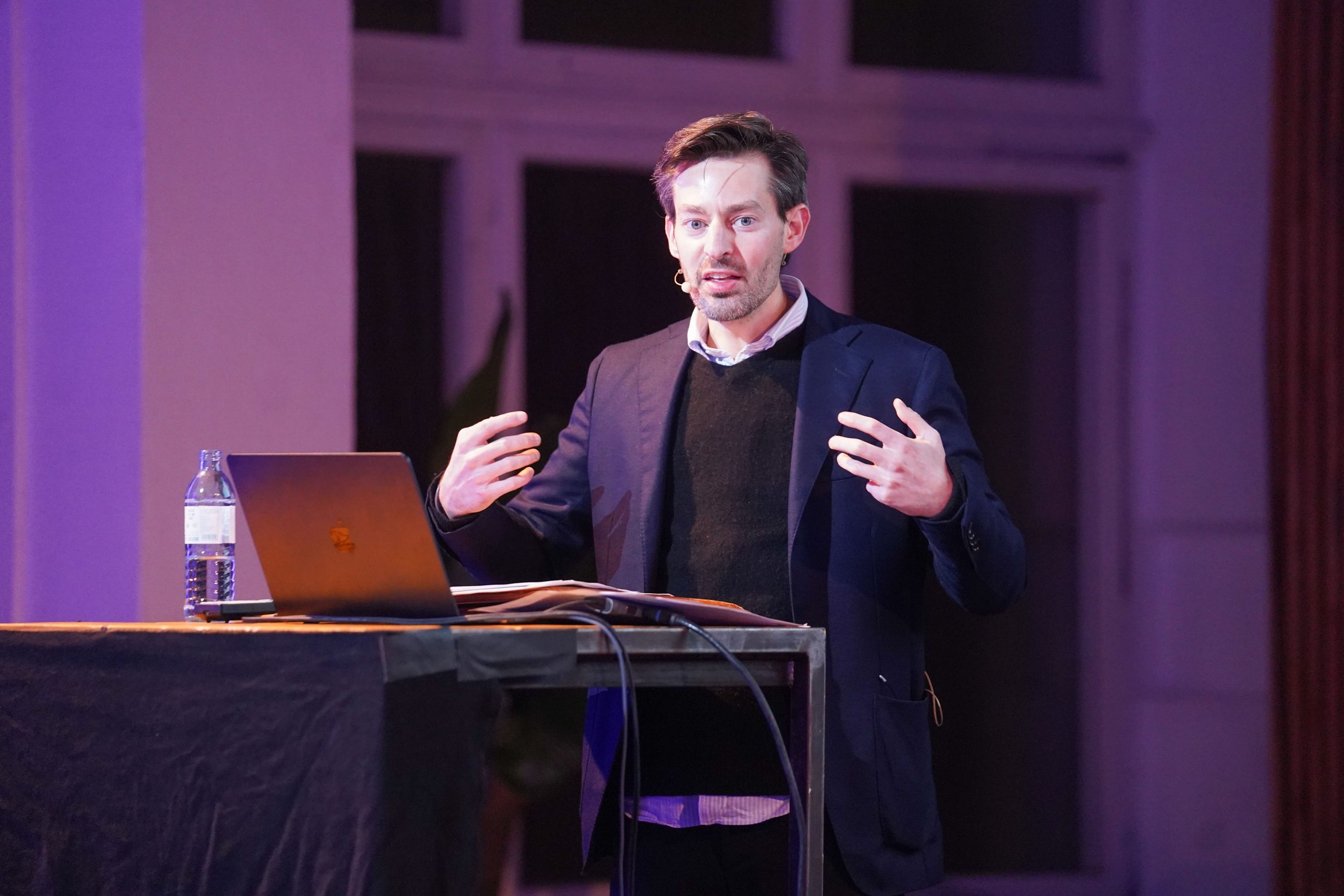
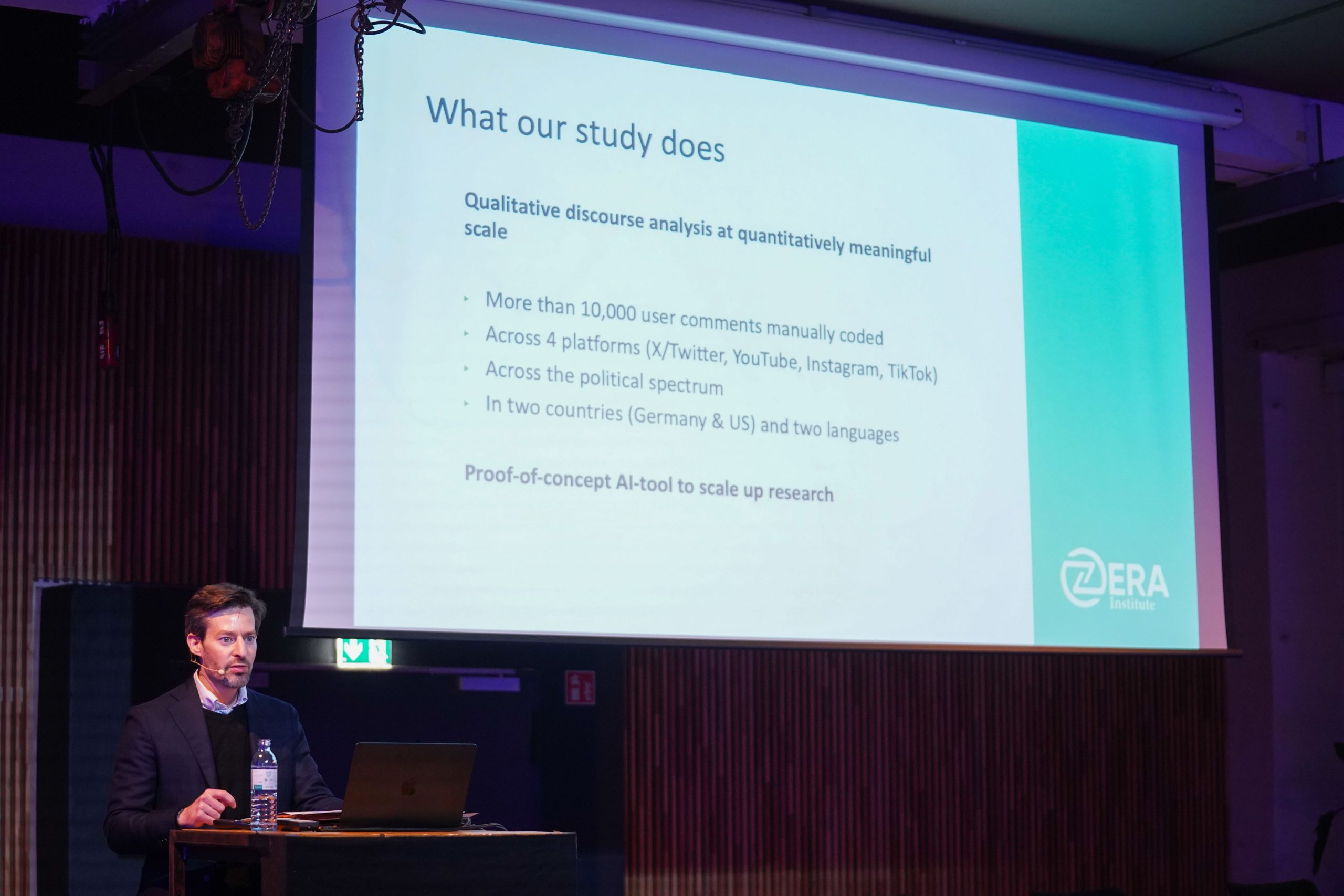
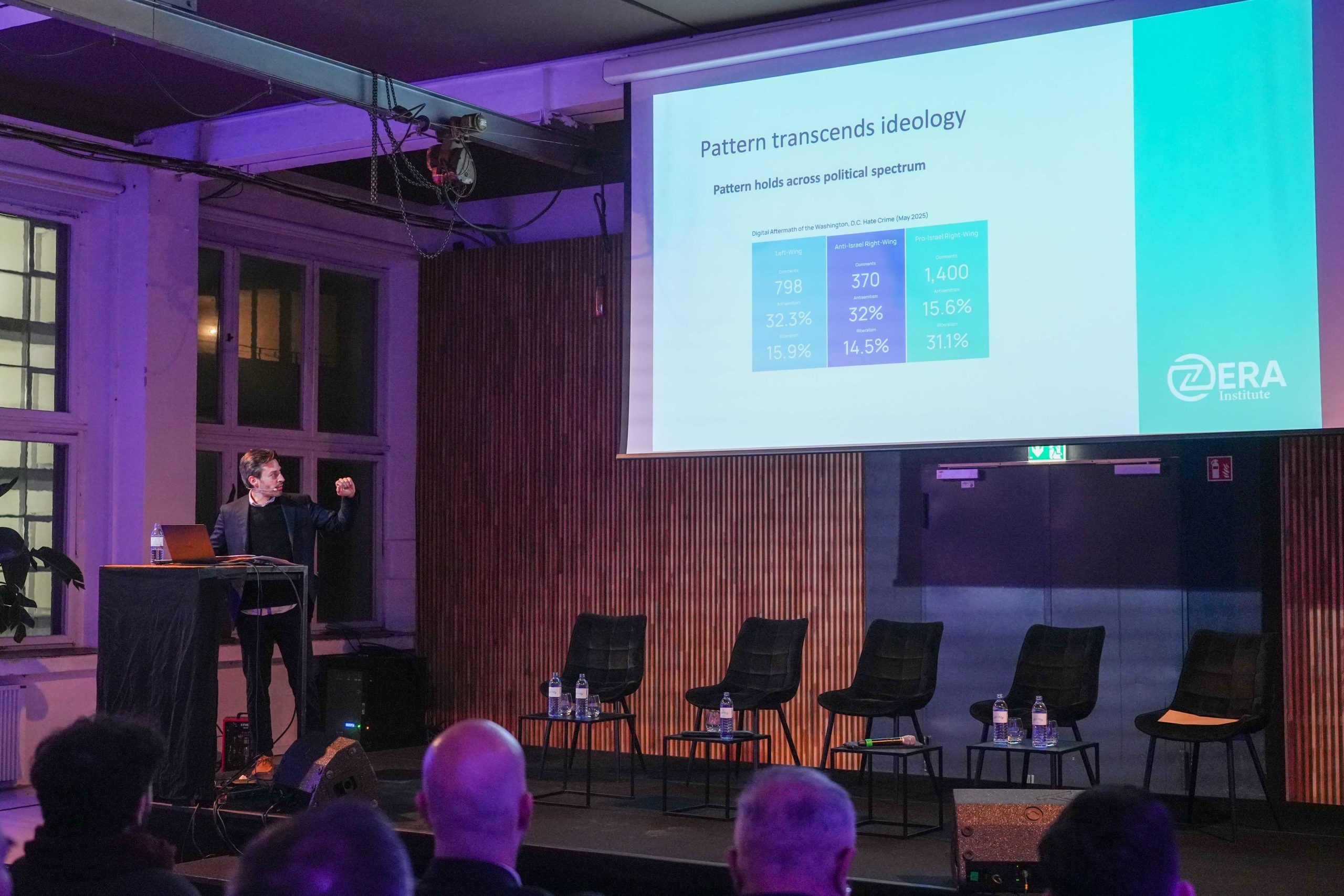
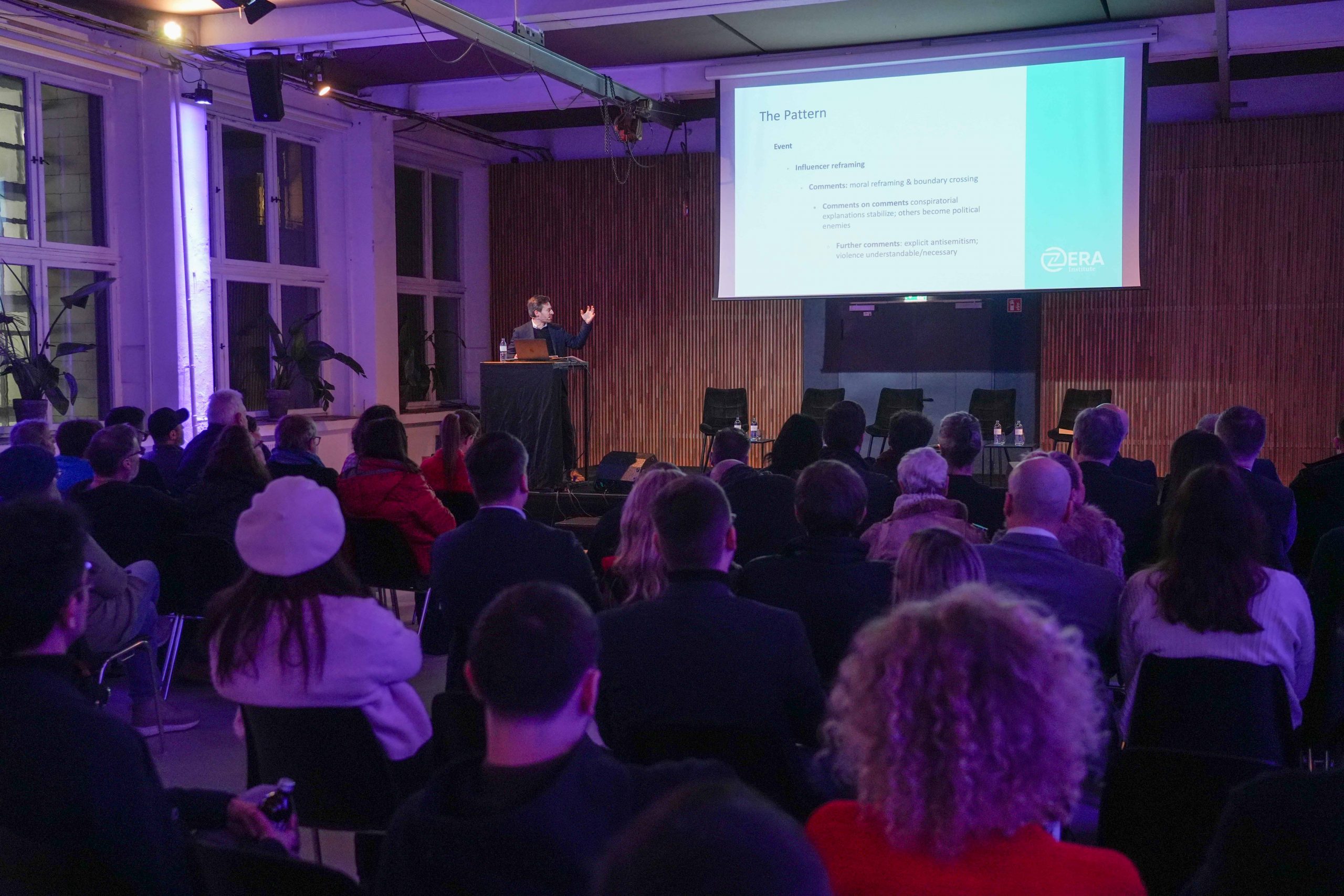
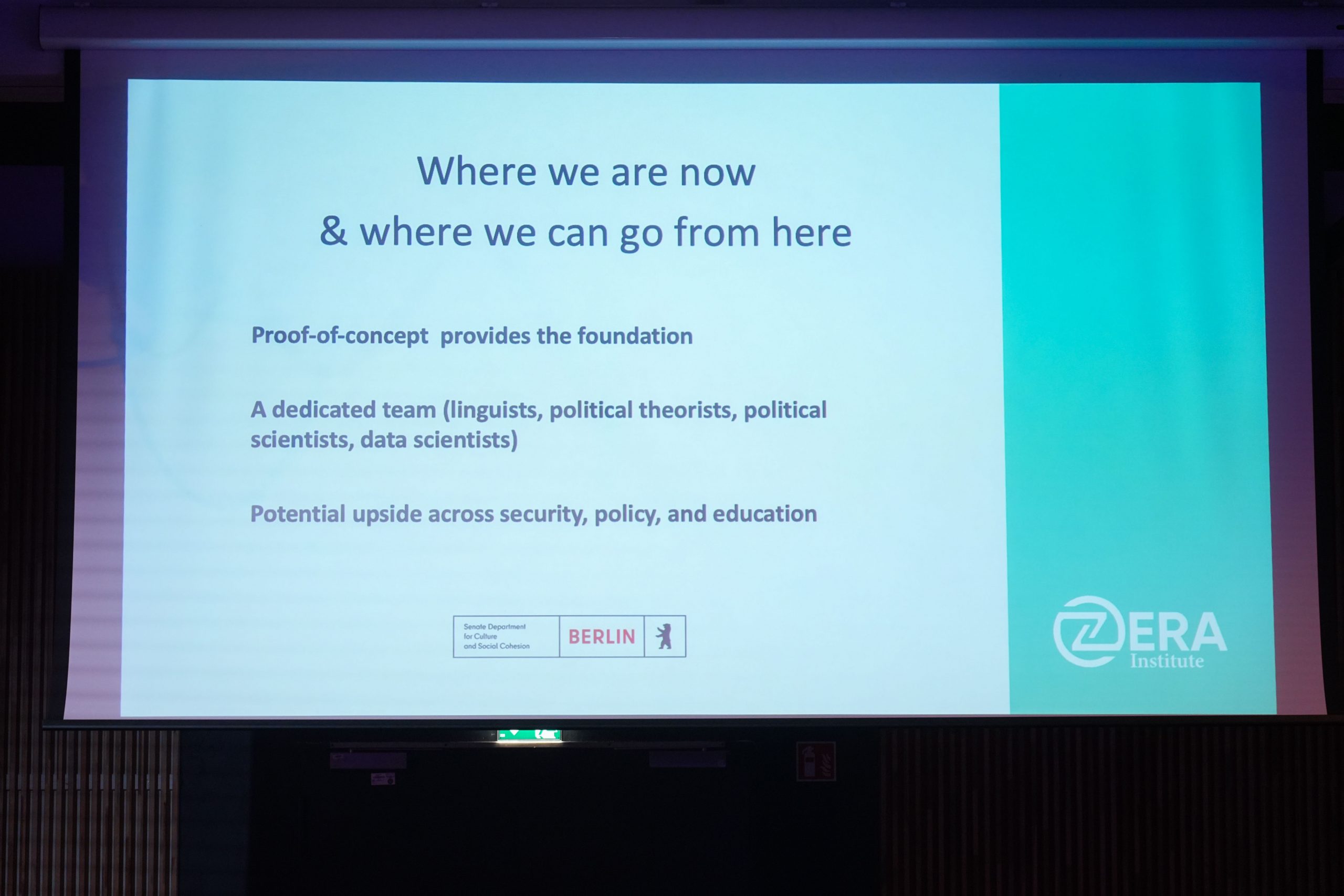
Following opening remarks by Maral Salmassi and Mark Pinhasov, Prof. Benjamin Folit-Weinberg presented key findings from the research project “Extremism and Attacks on Democracy: Online Radicalization, Antisemitism, and AI,” stepping in for Research Director Dr. Matthias J. Becker, who was unable to attend due to illness.
The evening also marked the publication of Reports 1 and 2, which, for the first time, empirically demonstrate how illiberal discourse emerges within the digital mainstream and translate these findings into a policy- and practice-oriented research agenda.
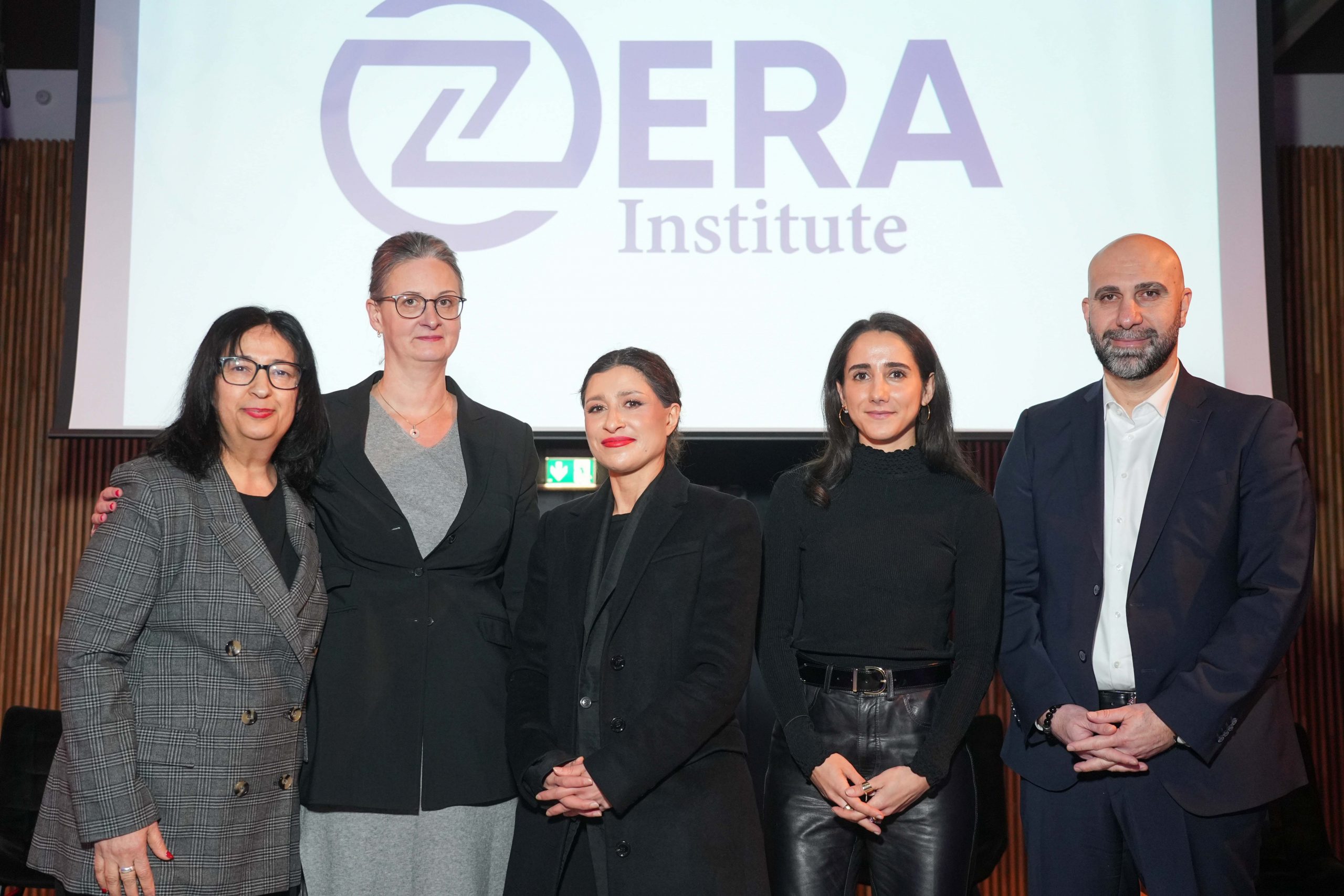
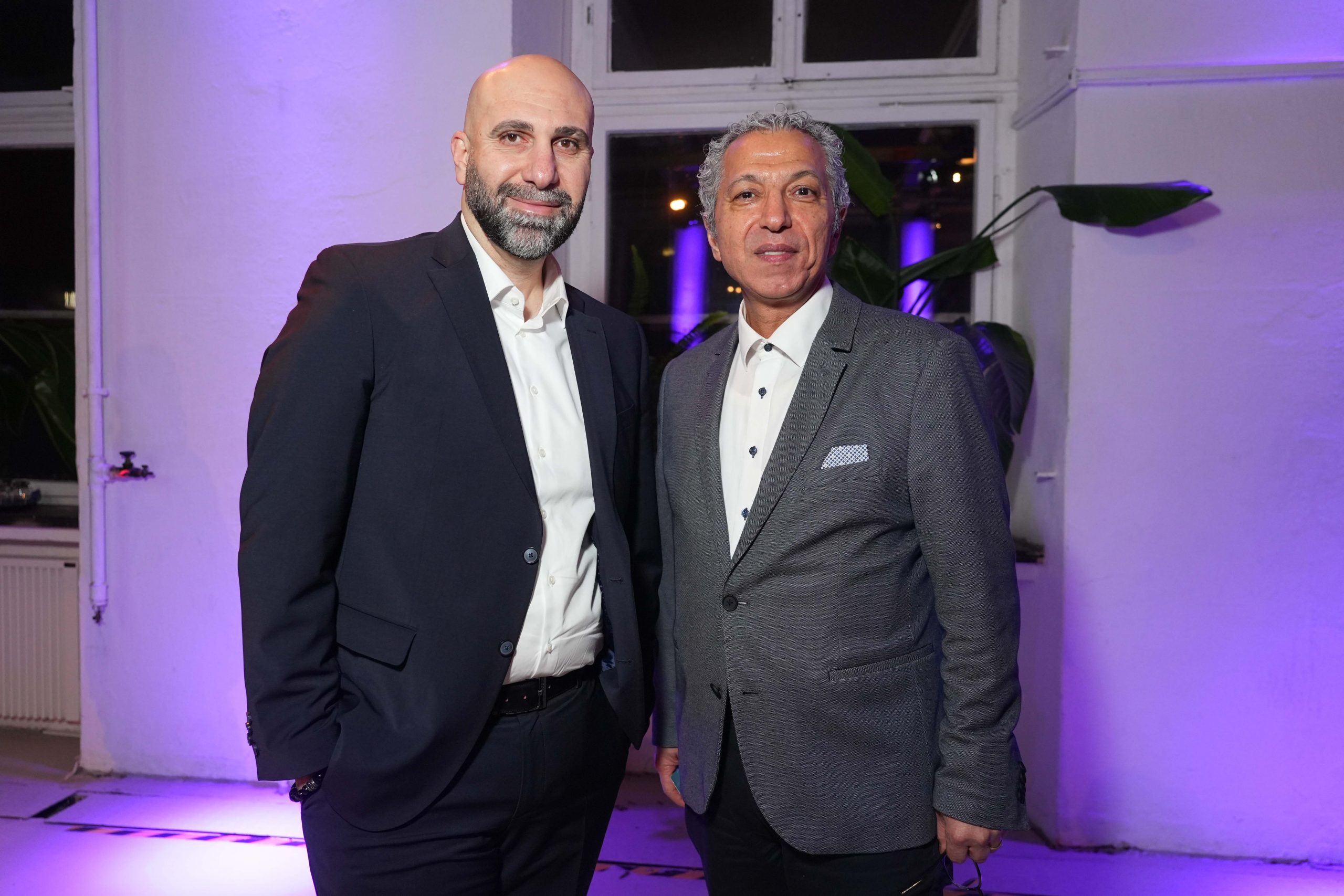
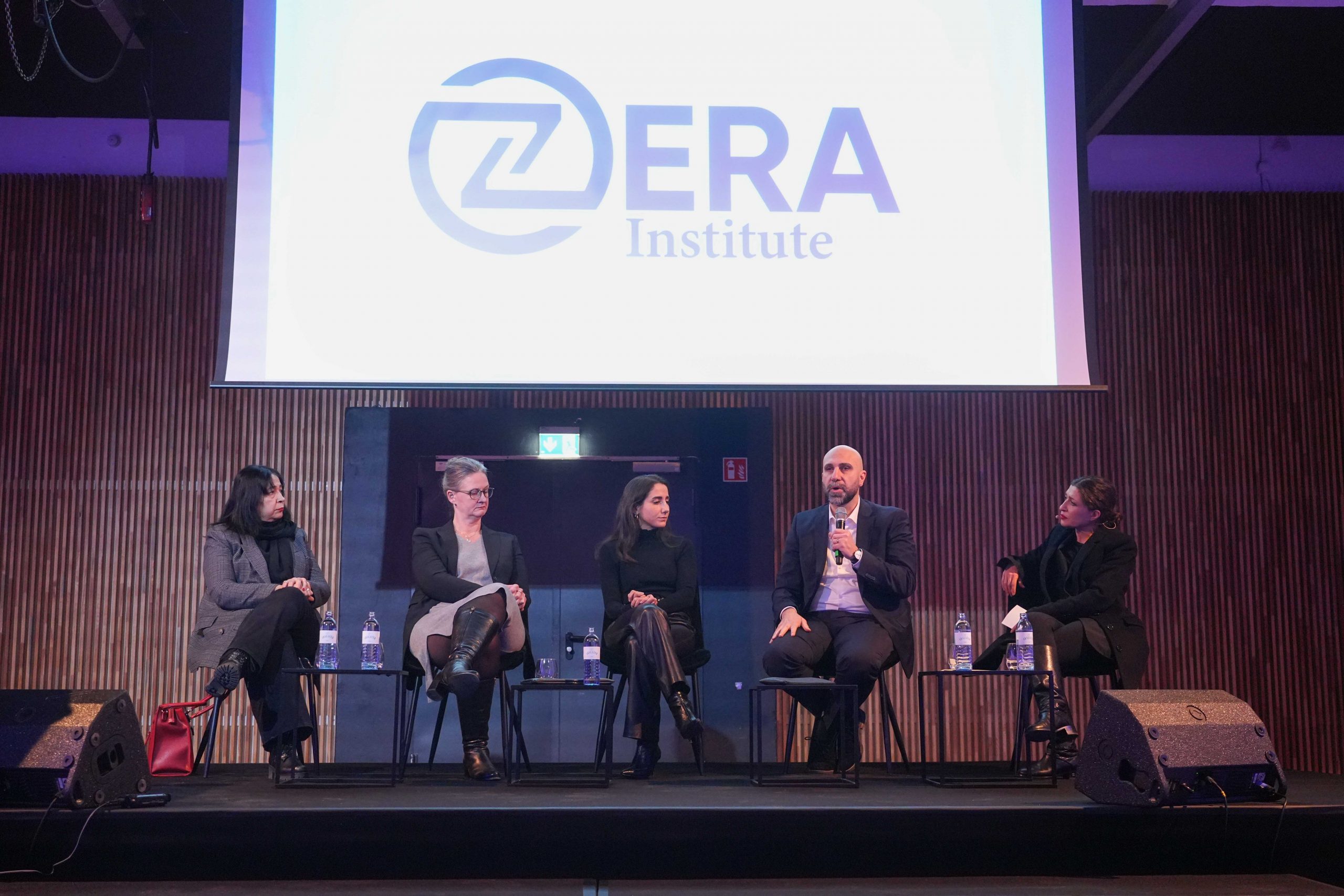
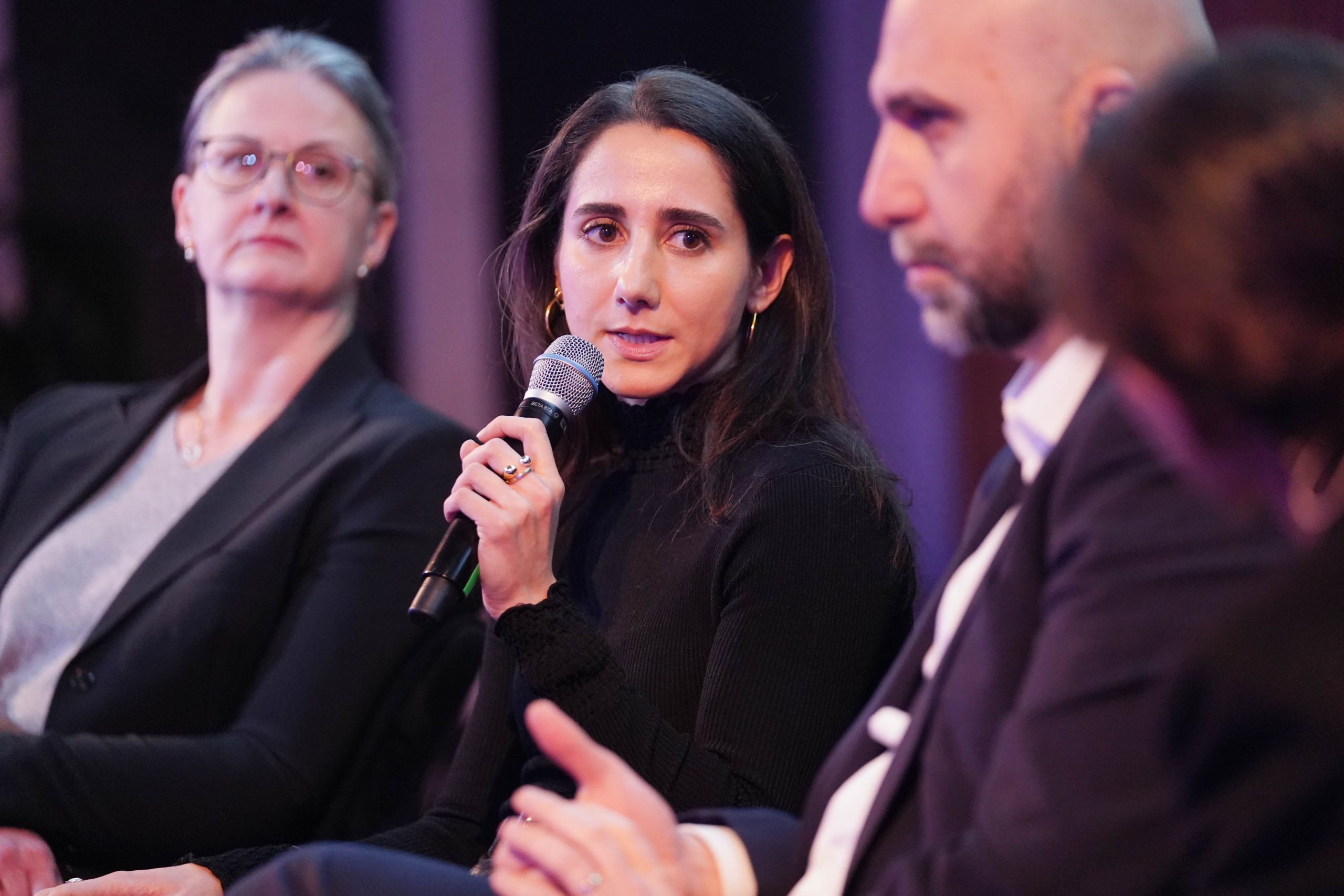
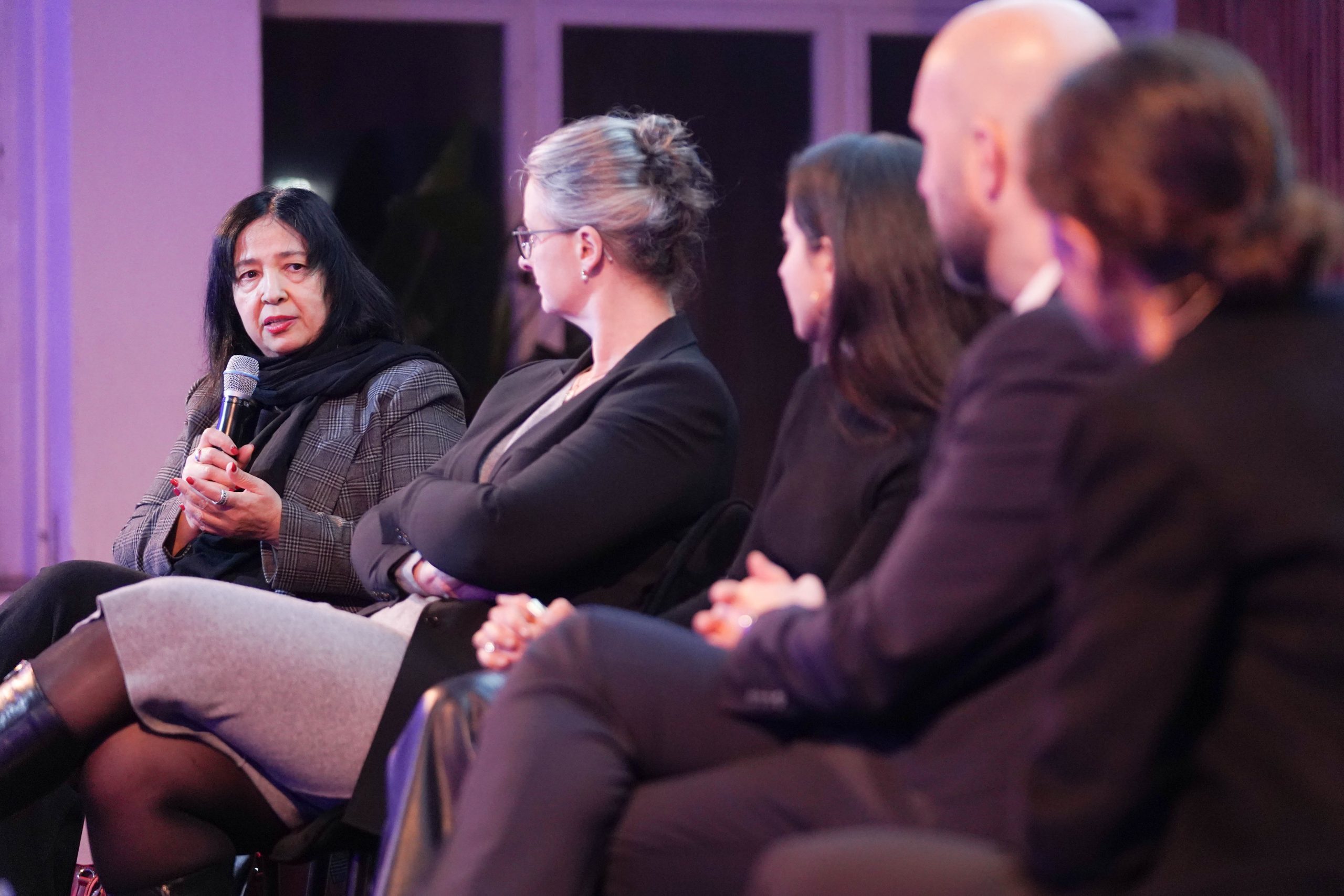
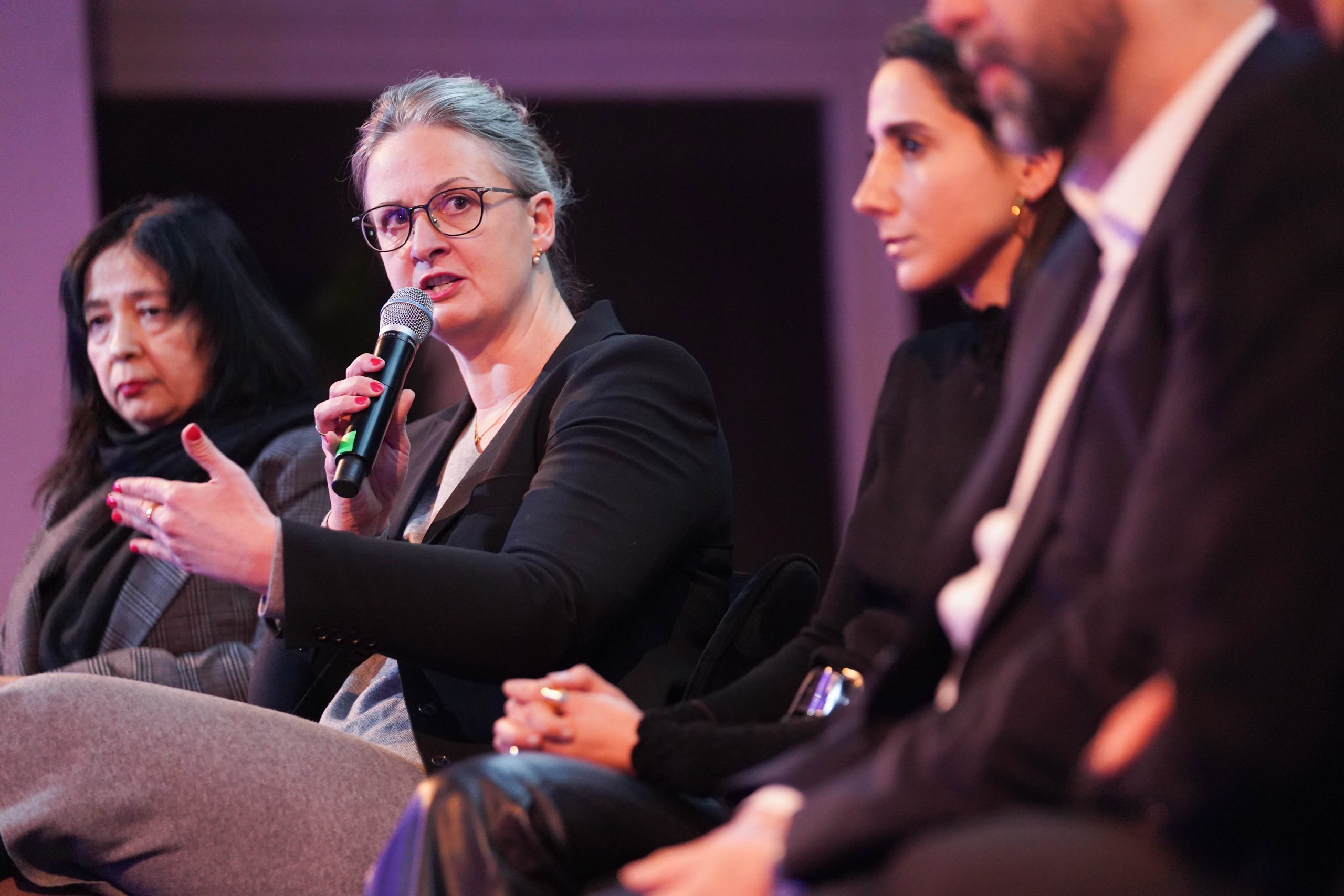
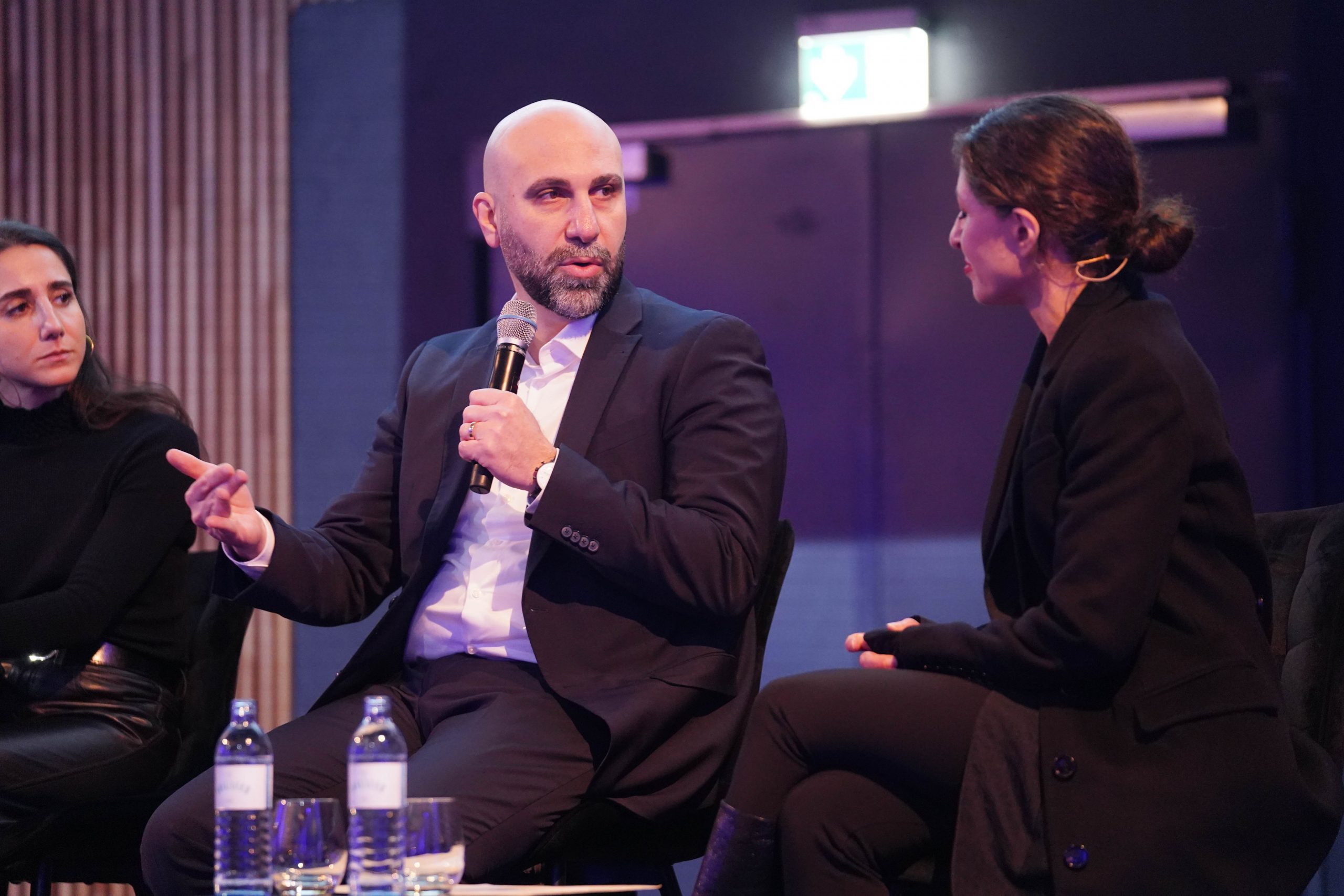
In the subsequent panel discussion, “Words Have Consequences,” moderated by Maral Salmassi, Seyran Ateş, Ariella Chmiel, Rebecca Schönenbach, and Ahmad Mansour discussed responsibility, language, and the limits of tolerance toward extremist ideologies.
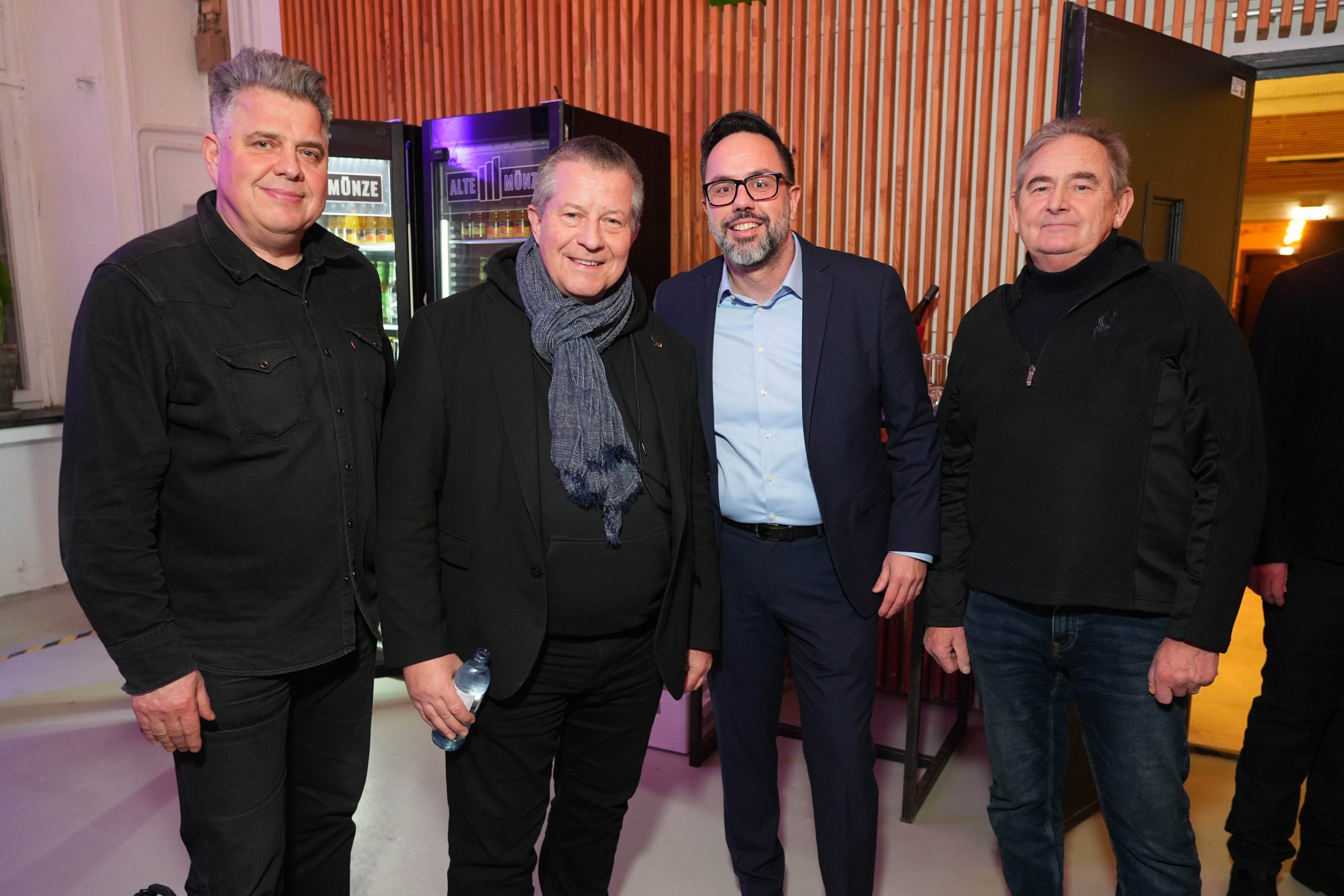
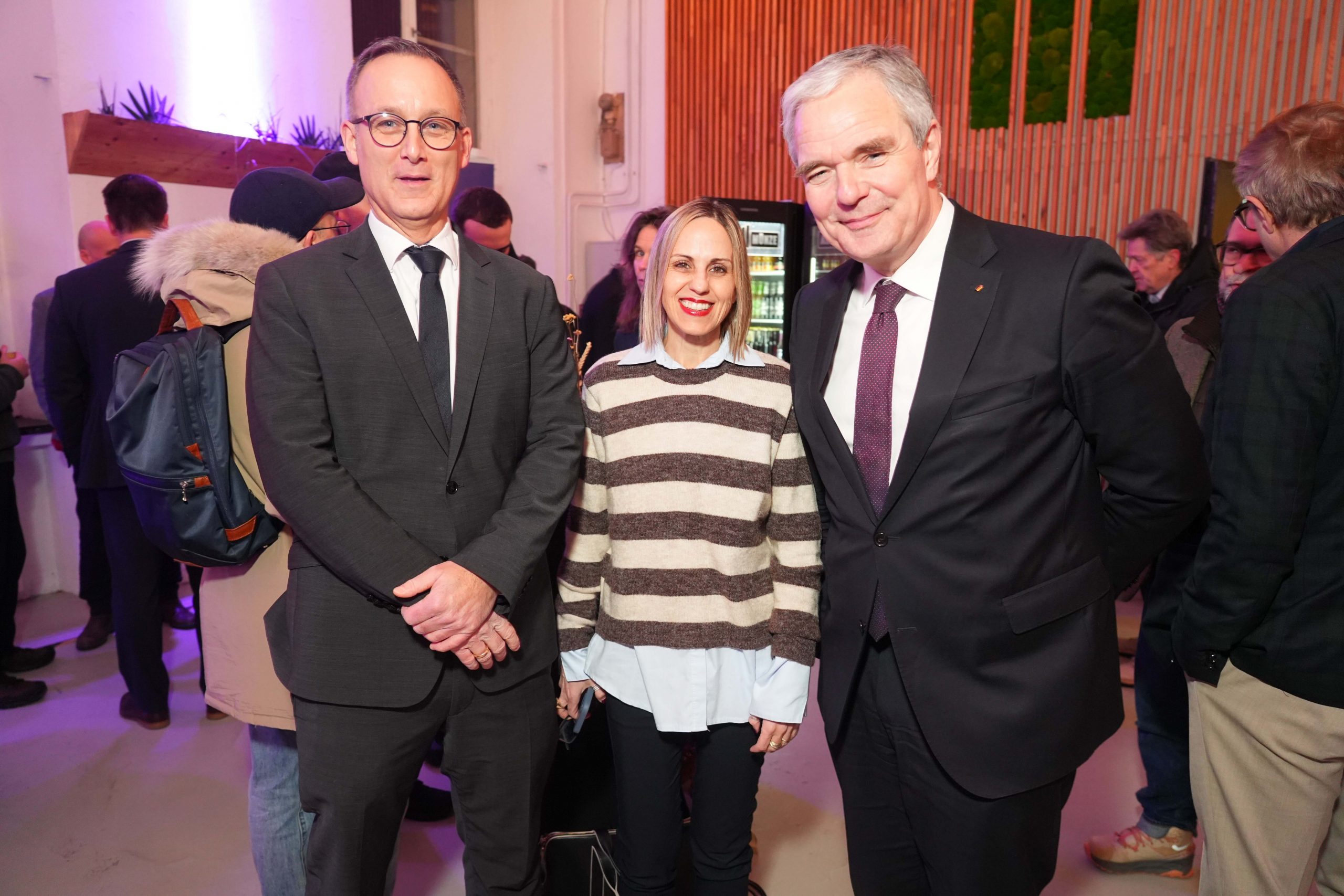
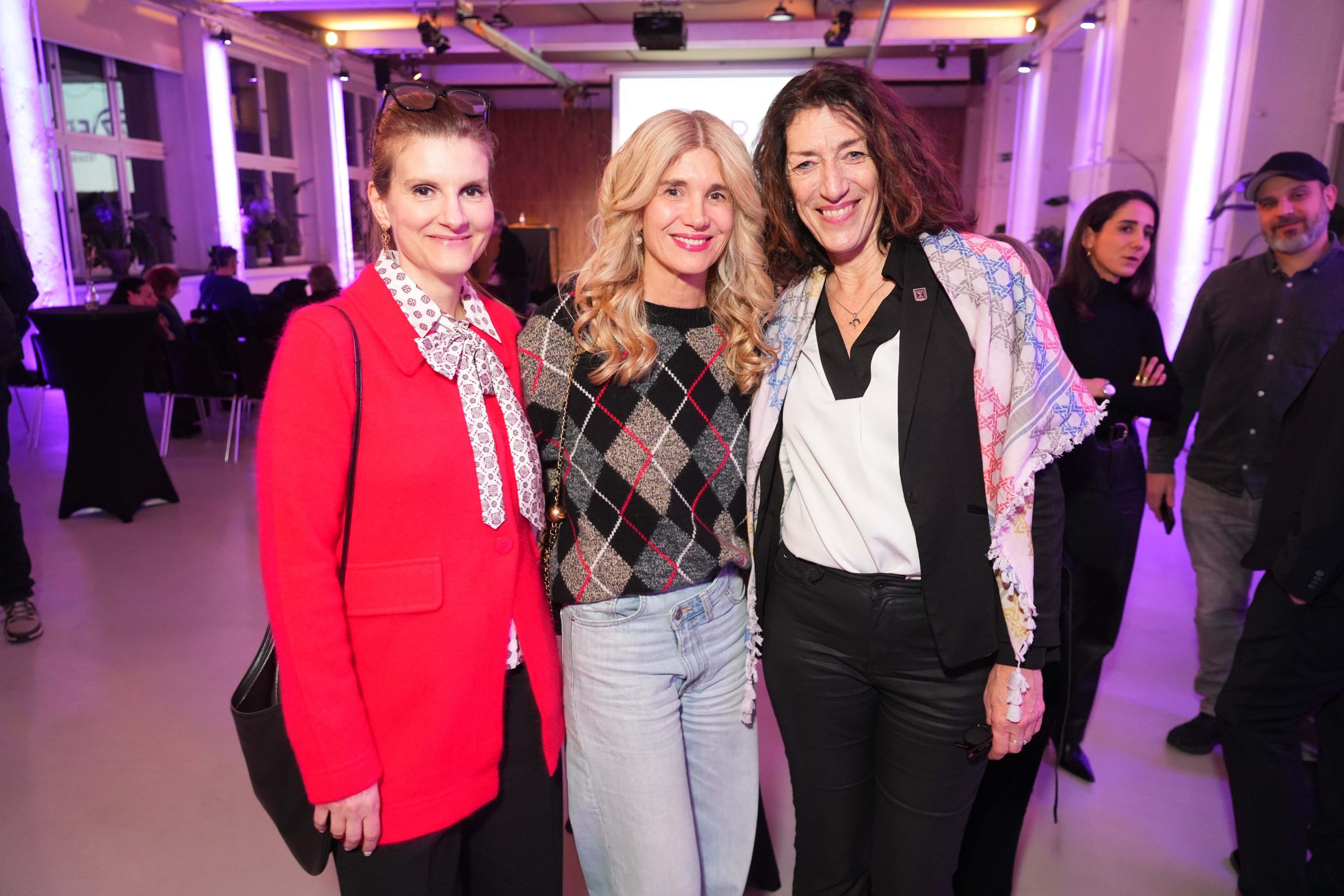
The event concluded with an open get-together and further exchange. We thank all guests, panelists, and supporters for their engagement.
Words Have Consequences: Culture, Narratives, and Responsibility in Addressing Antisemitism and Extremism
Maral Salmassi moderated the panel discussion “Words Have Consequences: Culture, Narratives, and Responsibility in Addressing Antisemitism and Extremism” with the following speakers:
- Seyran Ateş, lawyer, author, women’s rights activist, and founder of the Ibn Rushd–Goethe Mosque in Berlin
- Ariella Chmiel, political scientist and co-founder of Coffee with a Jew
- Rebecca Schönenbach, independent consultant specializing in counterterrorism and extremism prevention
- Ahmad Mansour, Israeli-German psychologist and author of Arab-Palestinian background
Impressions
-
JKH00661
-
-
JKH01466
-
JKH00681
-
JKH00796
-
JKH00855
-
JKH00931
-
JKH01534
-
JKH00892
-
JKH01492
-
JKH00827
-
JKH01530
-
JKH01526
-
JKH01503
-
JKH00909
-
JKH00993
-
JKH00941
-
JKH00964
-
JKH00956
-
JKI03344
-
JKH00899
-
JKI01571
-
JKI01993
-
JKI01871
-
JKH01085
-
JKH01073
-
JKH01139
-
JKH01321
-
JKI02620
-
JKI02279
-
JKI02142
-
JKI02166
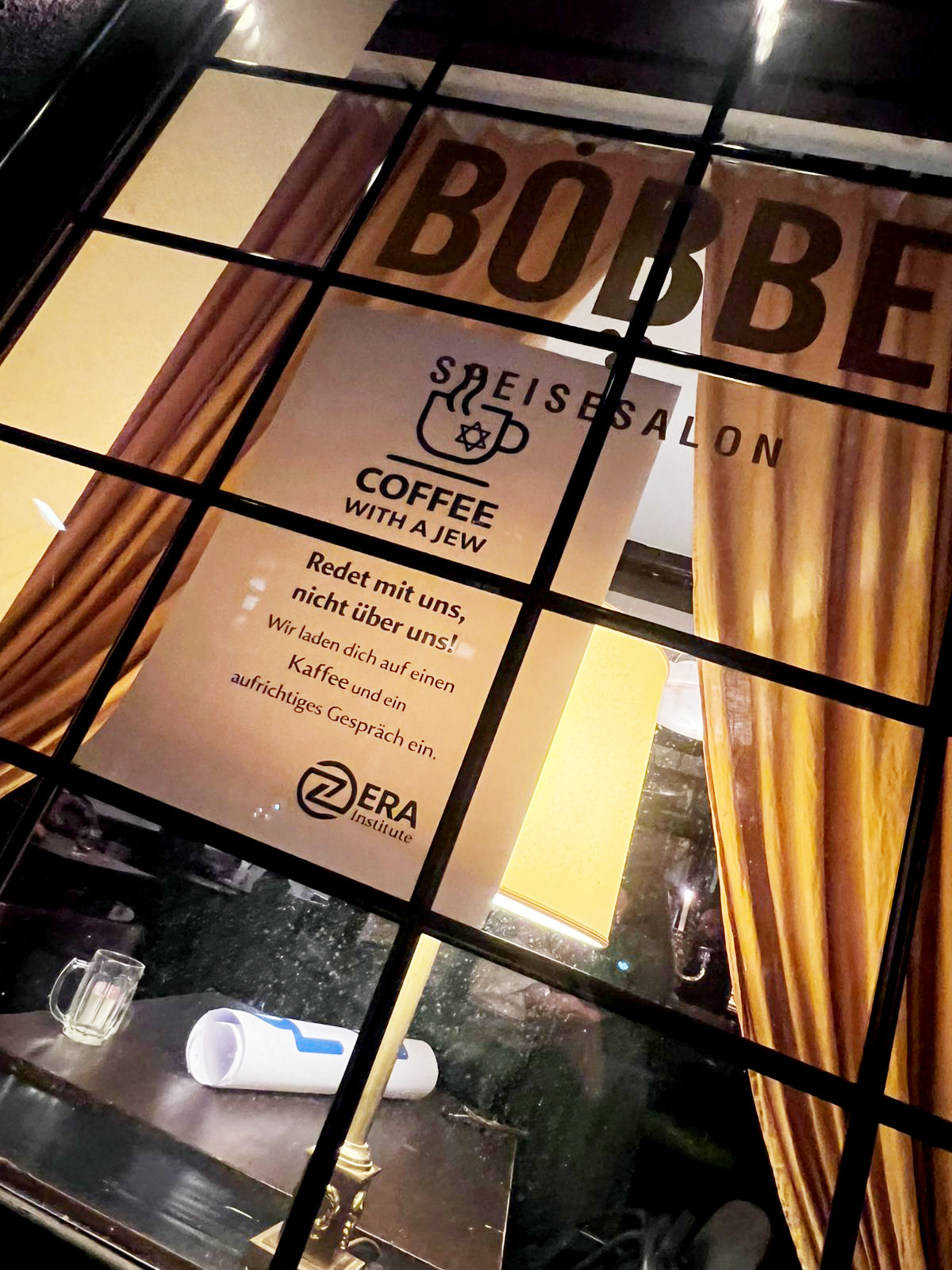
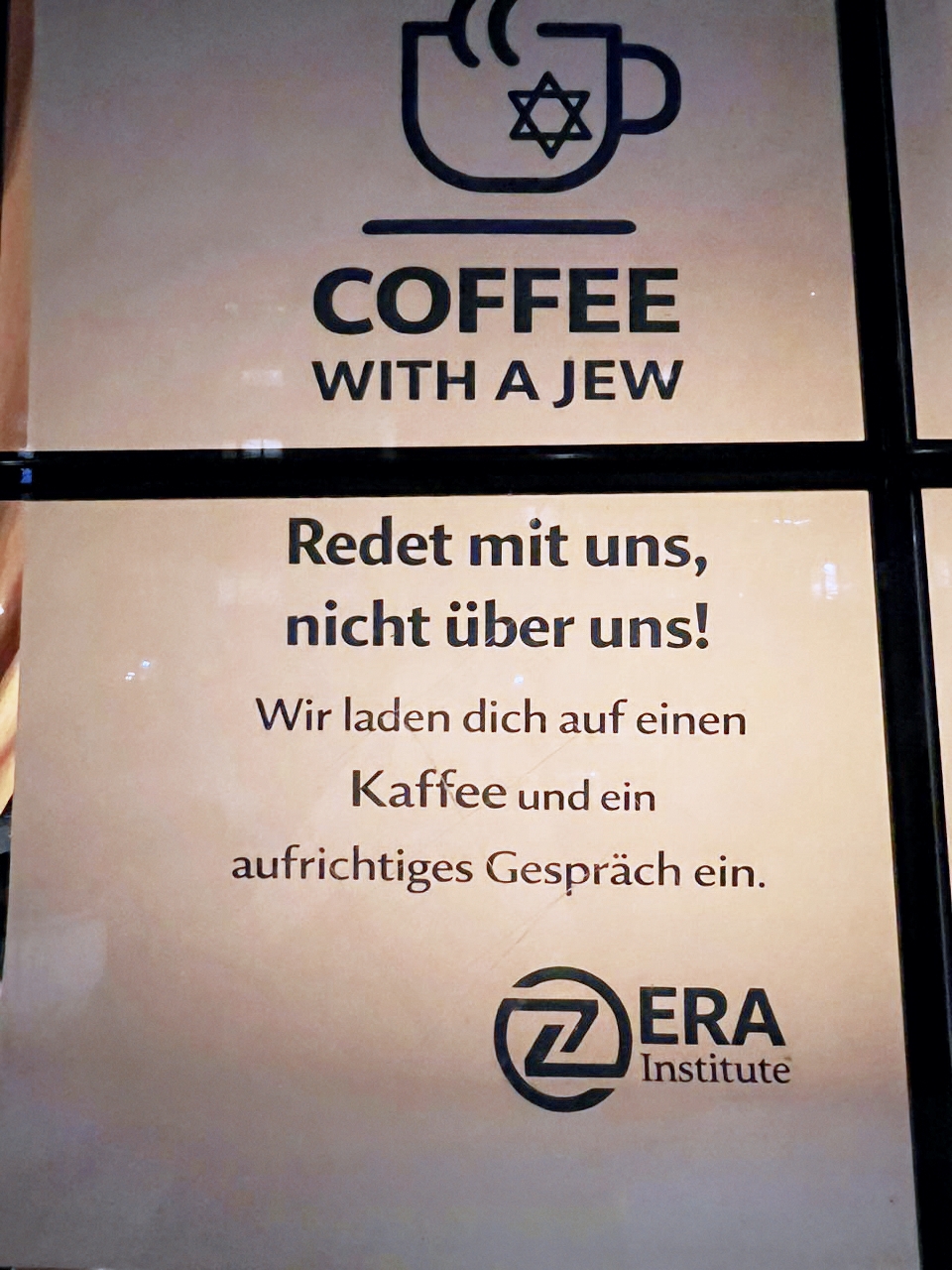
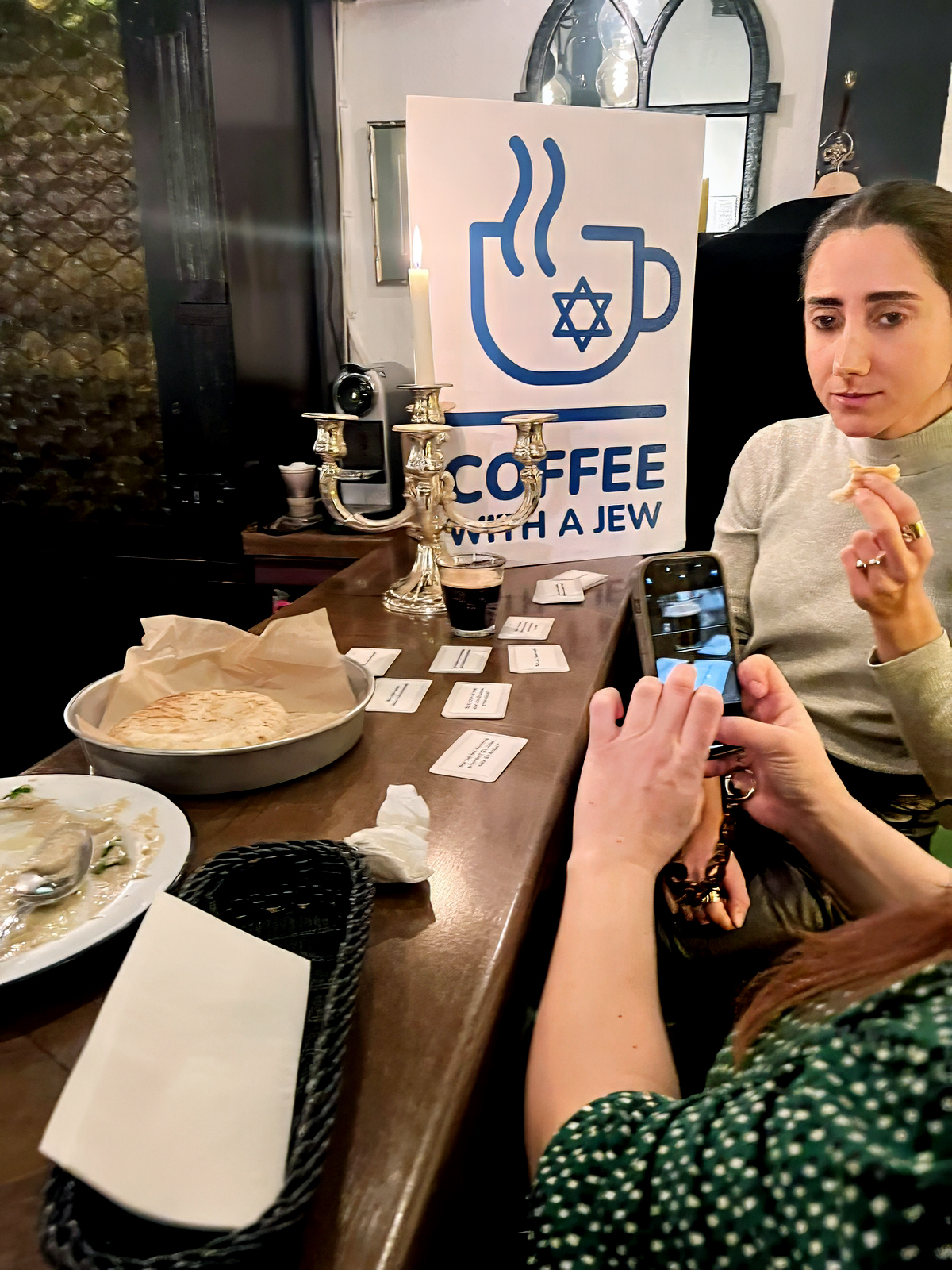
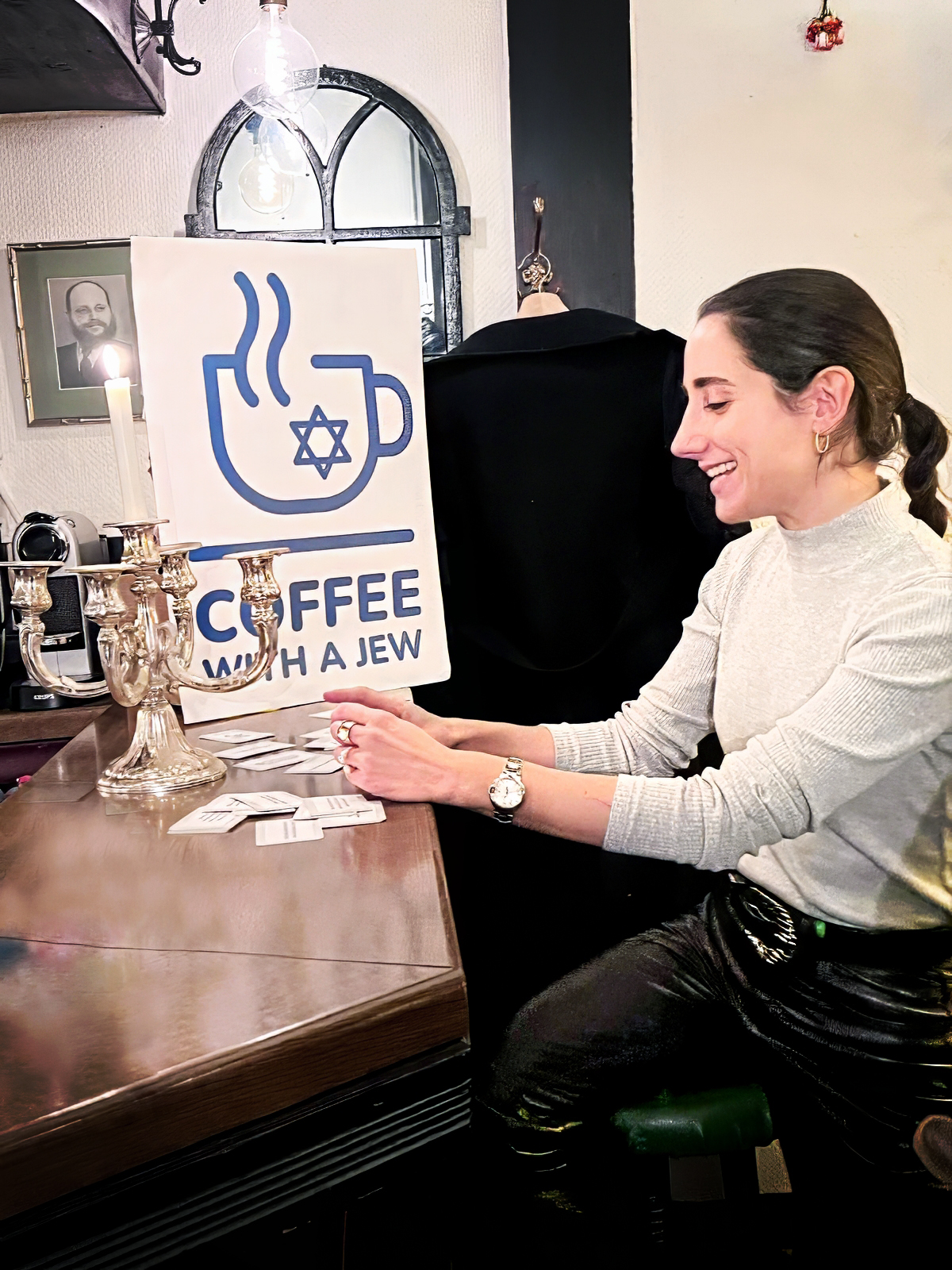
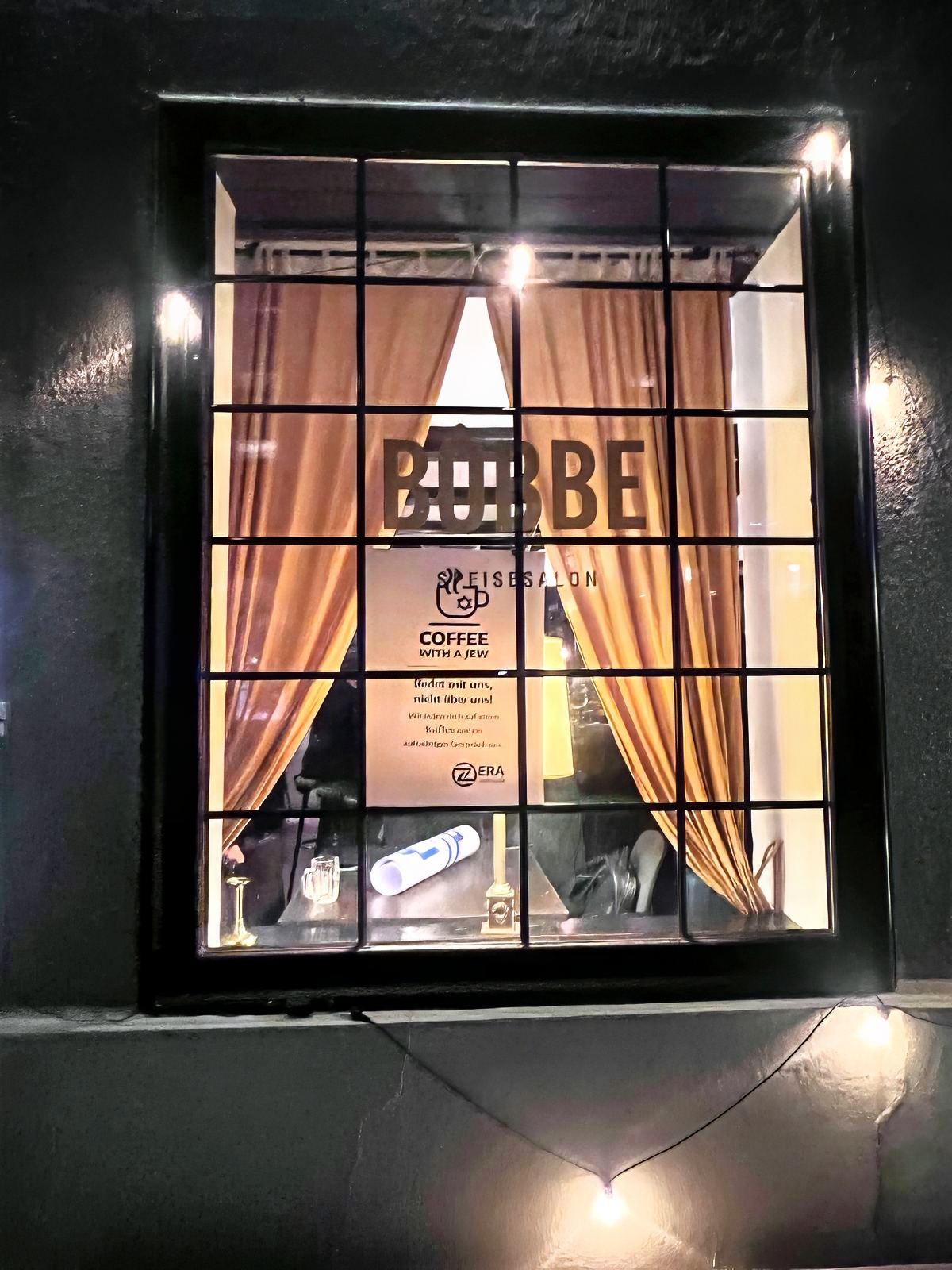
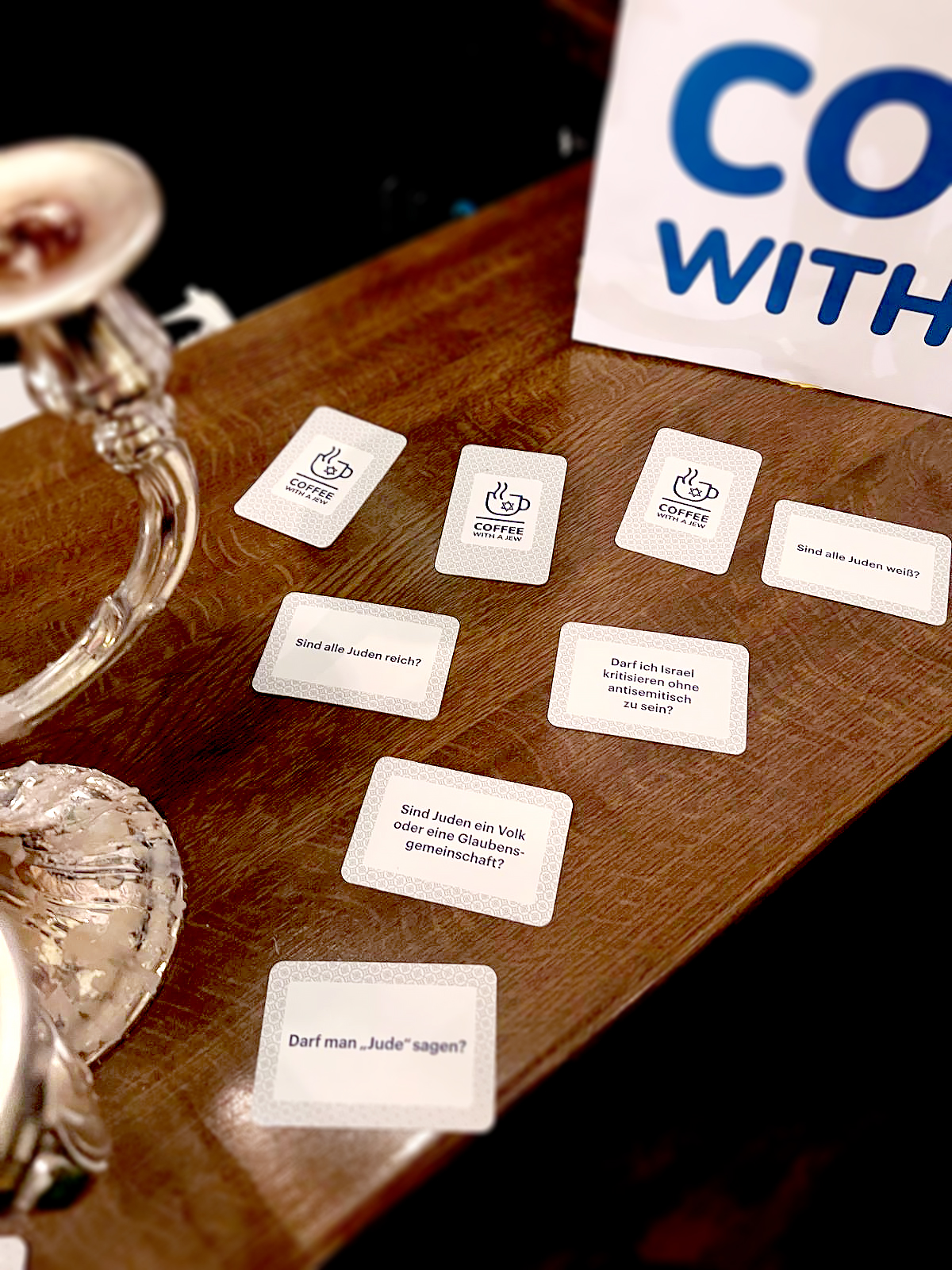
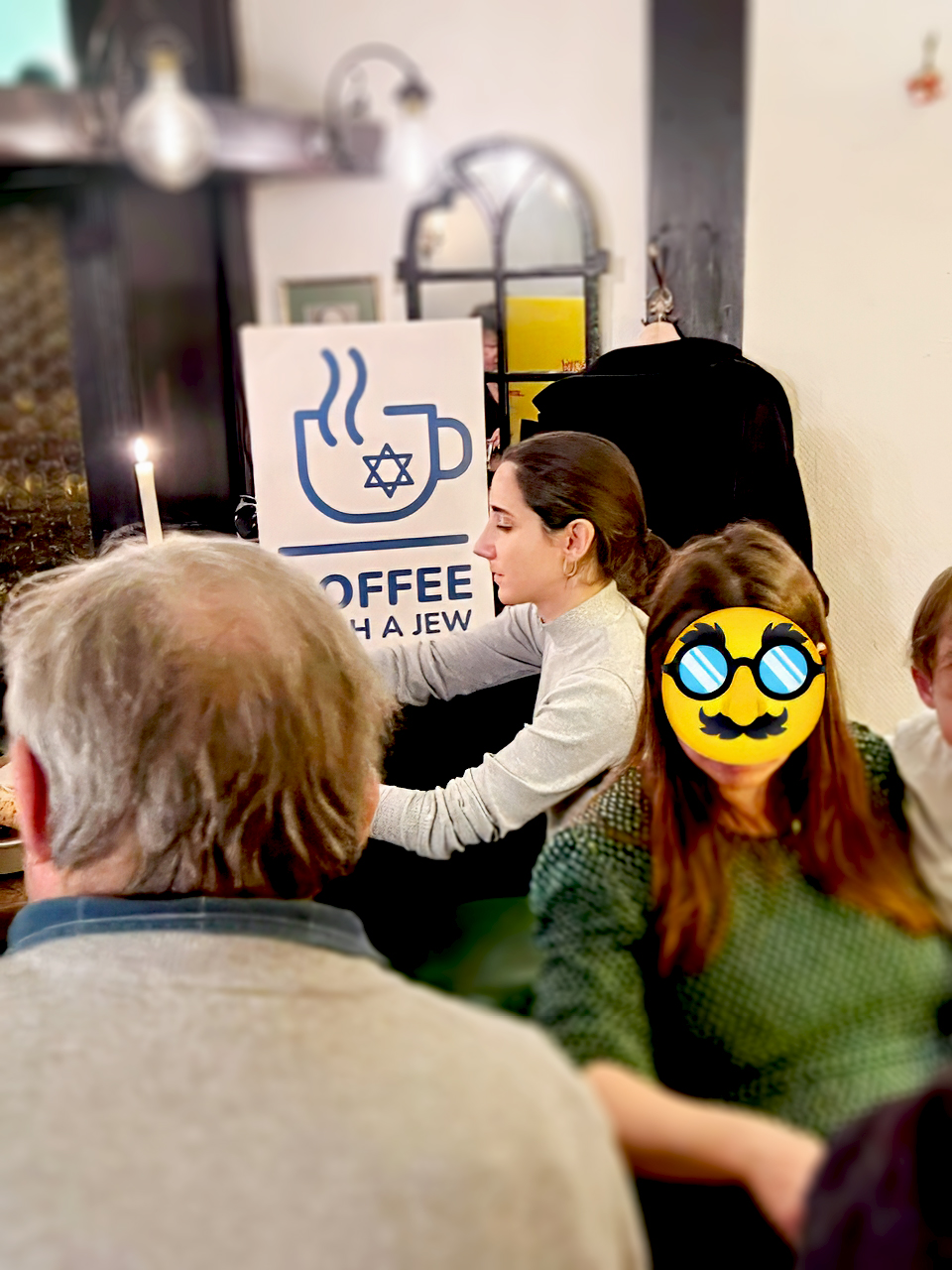
Coffee with a Jew goes Berlin | 28.01.2026
Coffee with a Jew goes Berlin | 28.01.2026
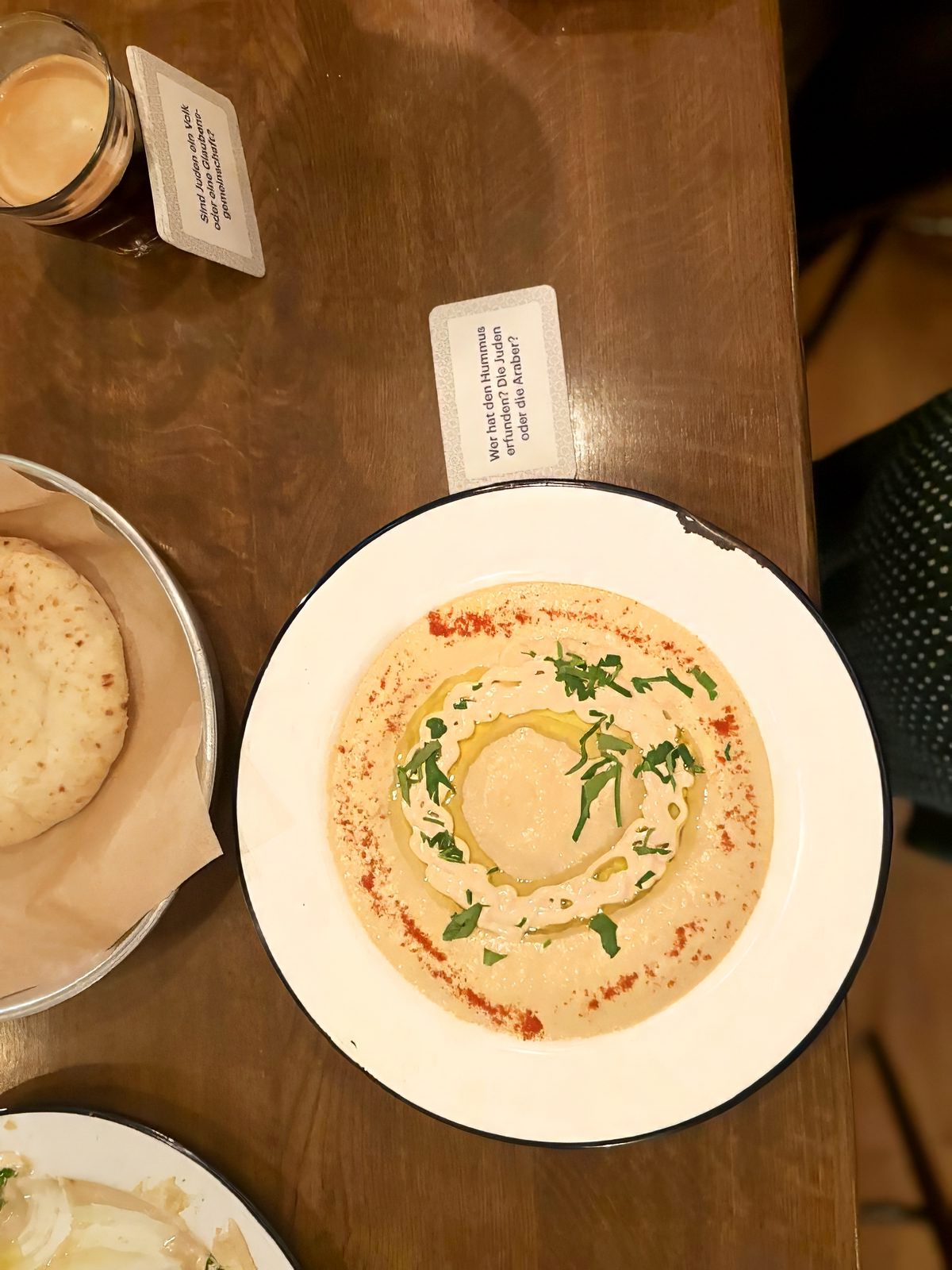
Coffee with a Jew began as a mobile coffee bar:
Have a cup of coffee, stop by, and start a conversation.
Accessible, personal, and open to every question.
Coffee with a Jew is a project by B’nai B’rith Munich. It was launched in 2024 by Daniel Gitbud and Ariella Chmiel to create conversations about Jewish life, challenge prejudices, and bring people into dialogue.
-
Coffe_WAJ_1
-
Coffe_WAJ_2
-
Coffee_WAJ_4
-
Coffee_WAJ_5
-
Coffee_WAJ_6
-
Coffee_WAJ_7
-
Coffee_WAJ3
-
Coffee_WAJ4
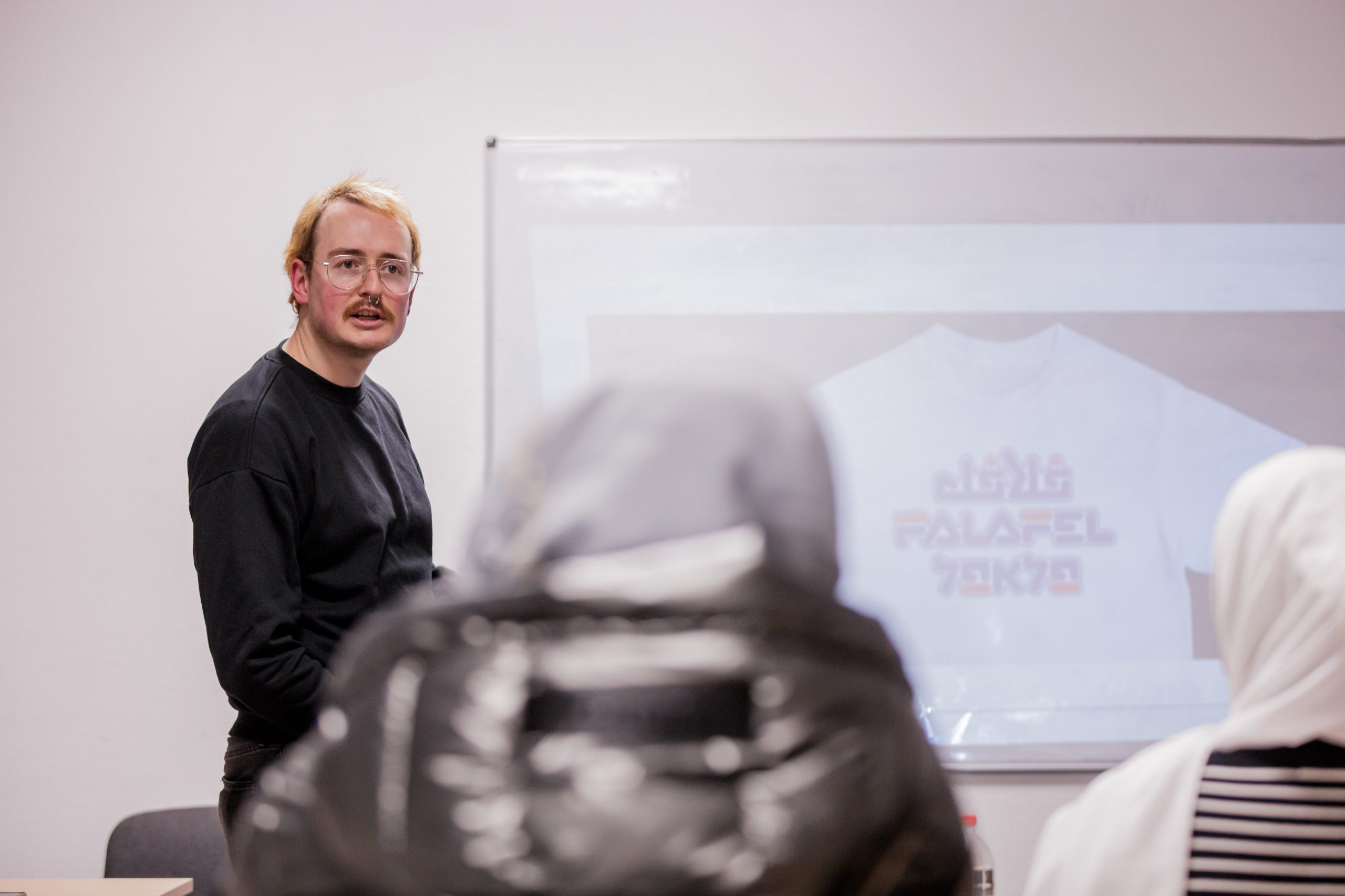
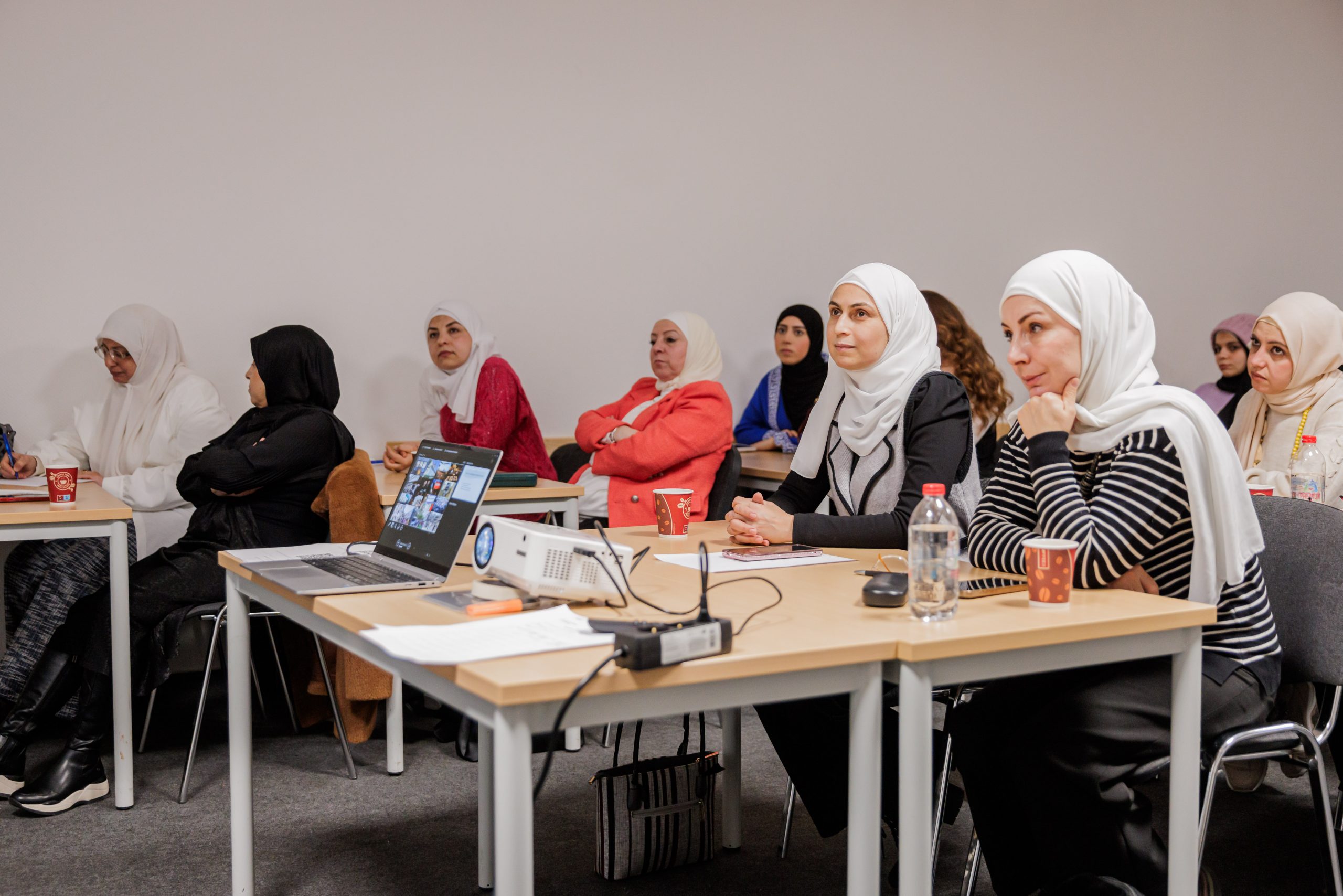
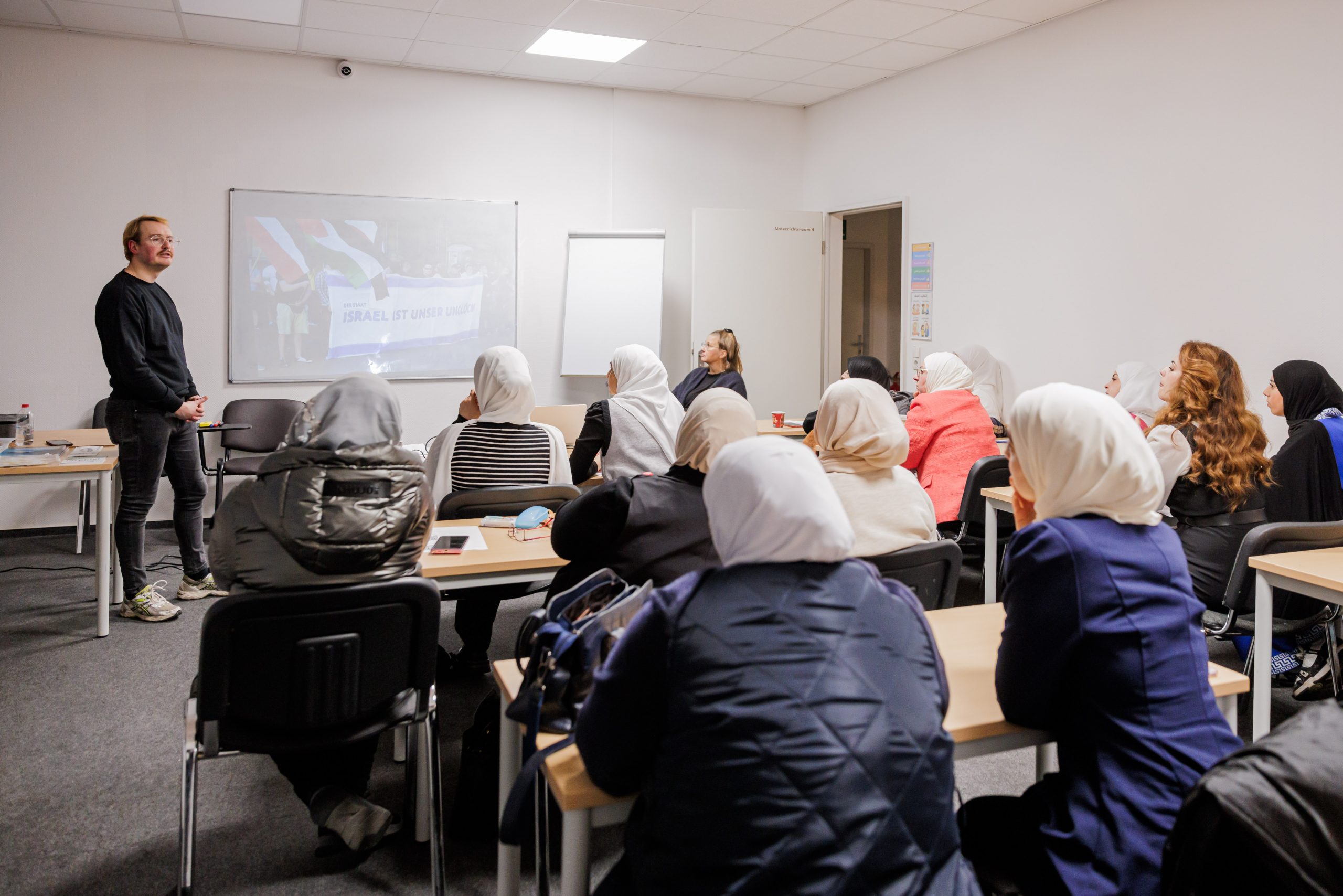
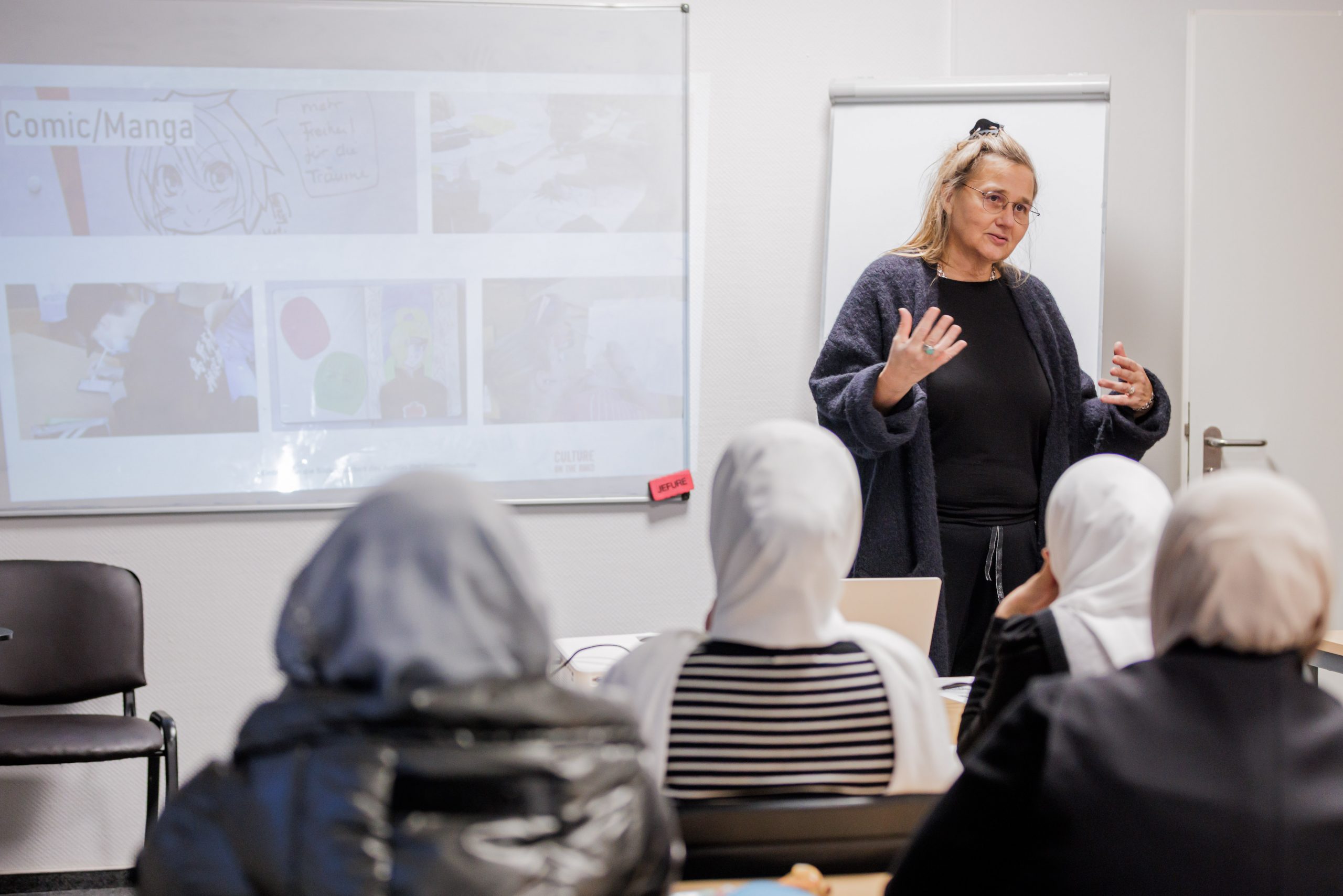
Workshop – Responsibility in Teaching: Understanding Radical Narratives and Antisemitism | January 15, 2026
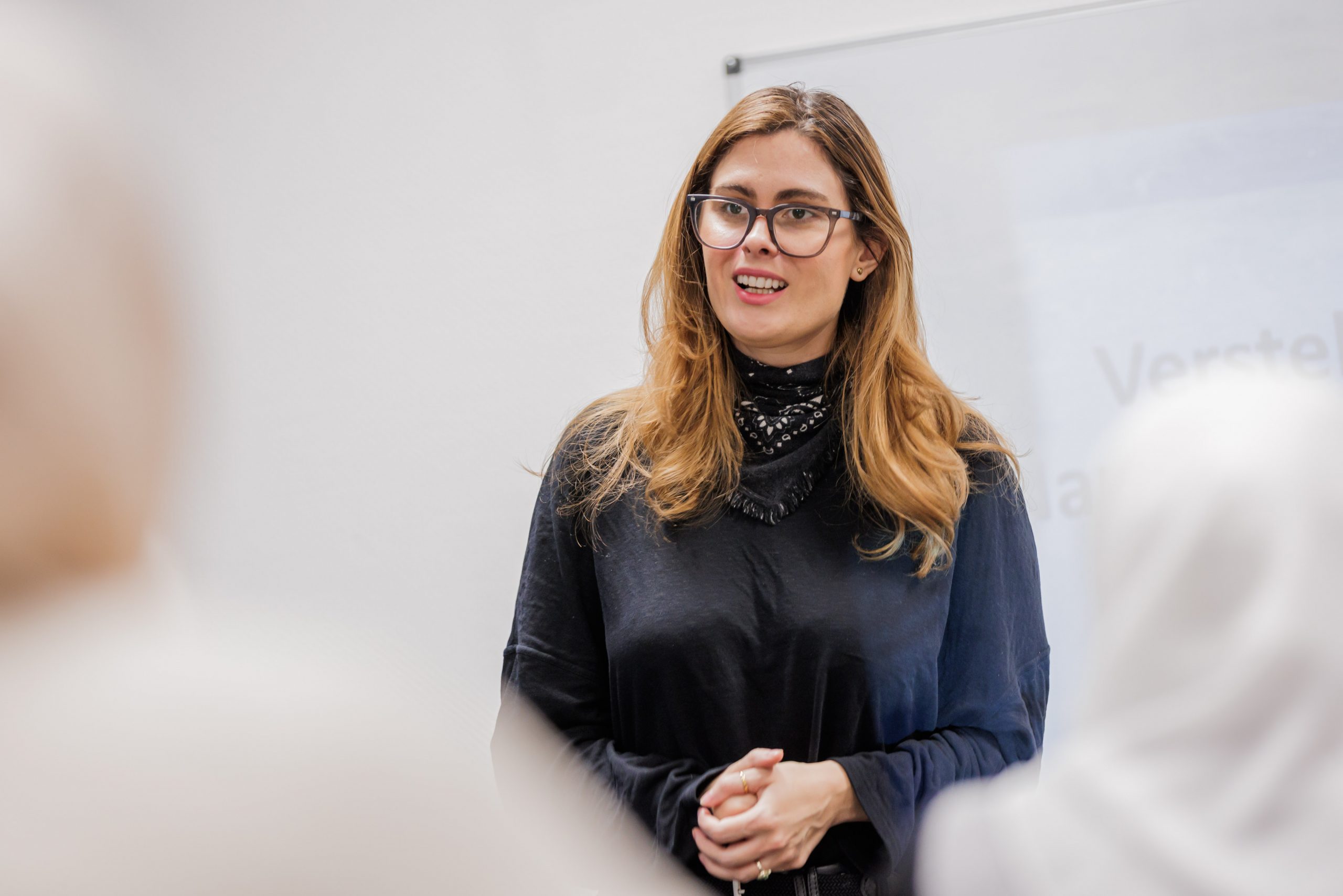
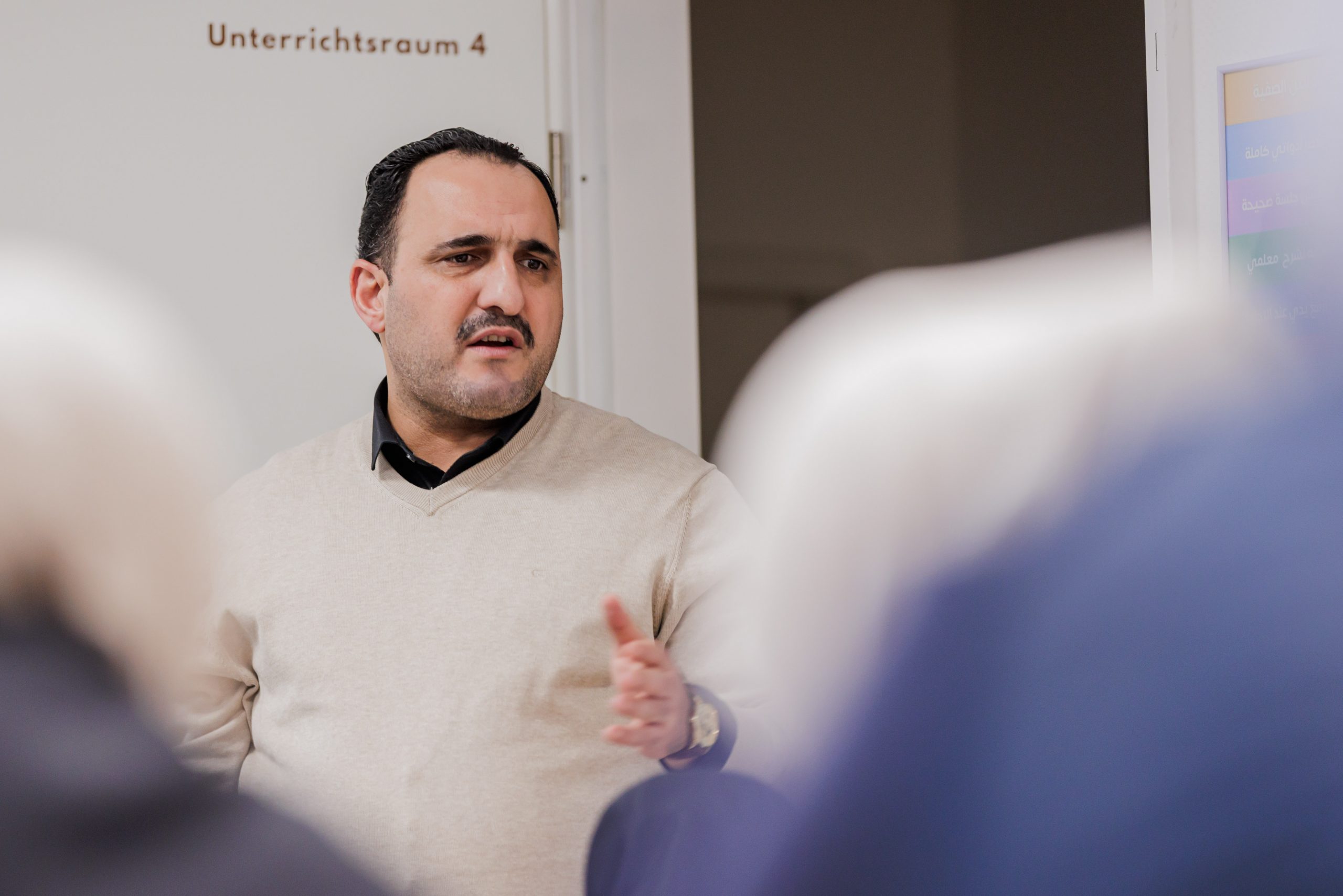
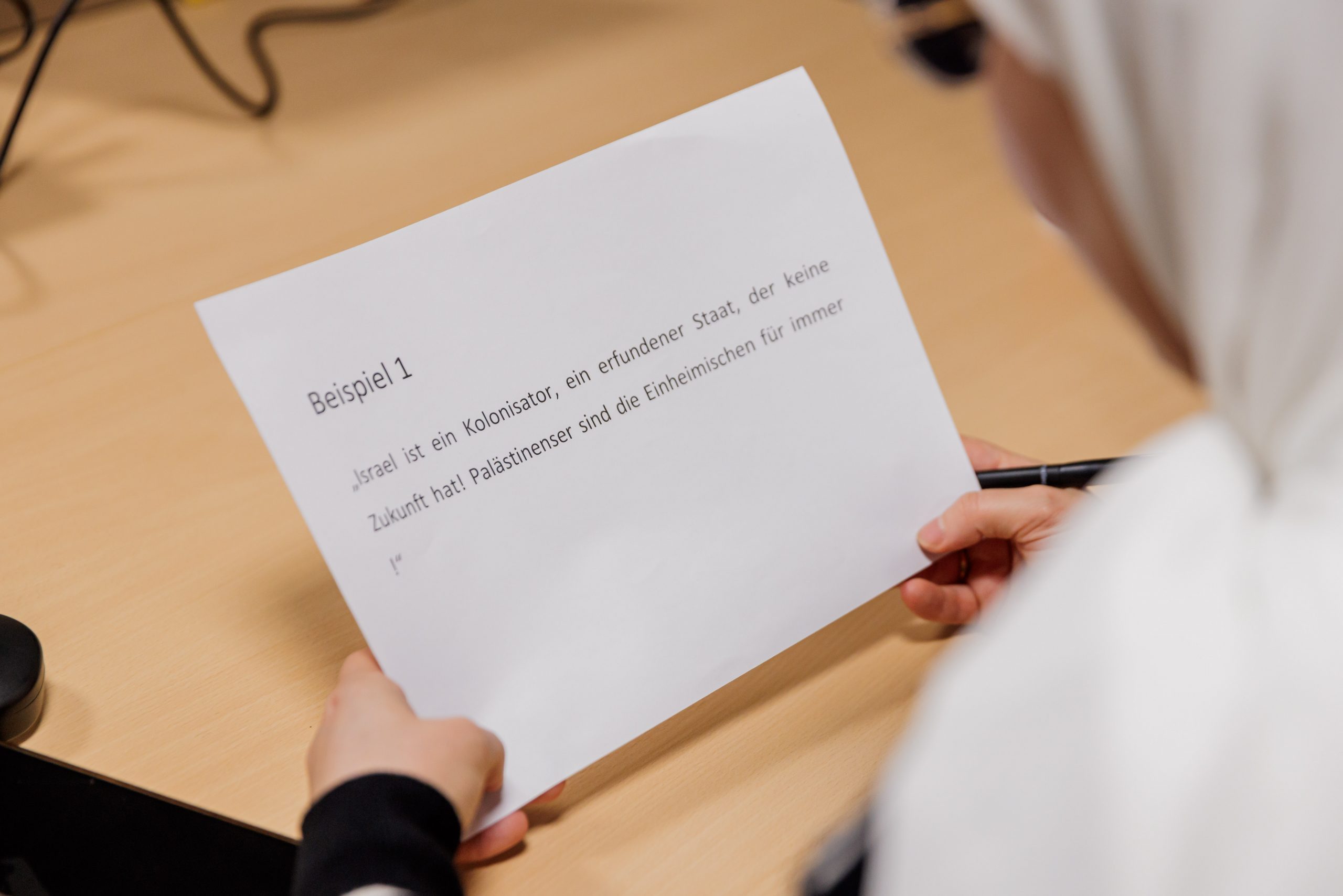
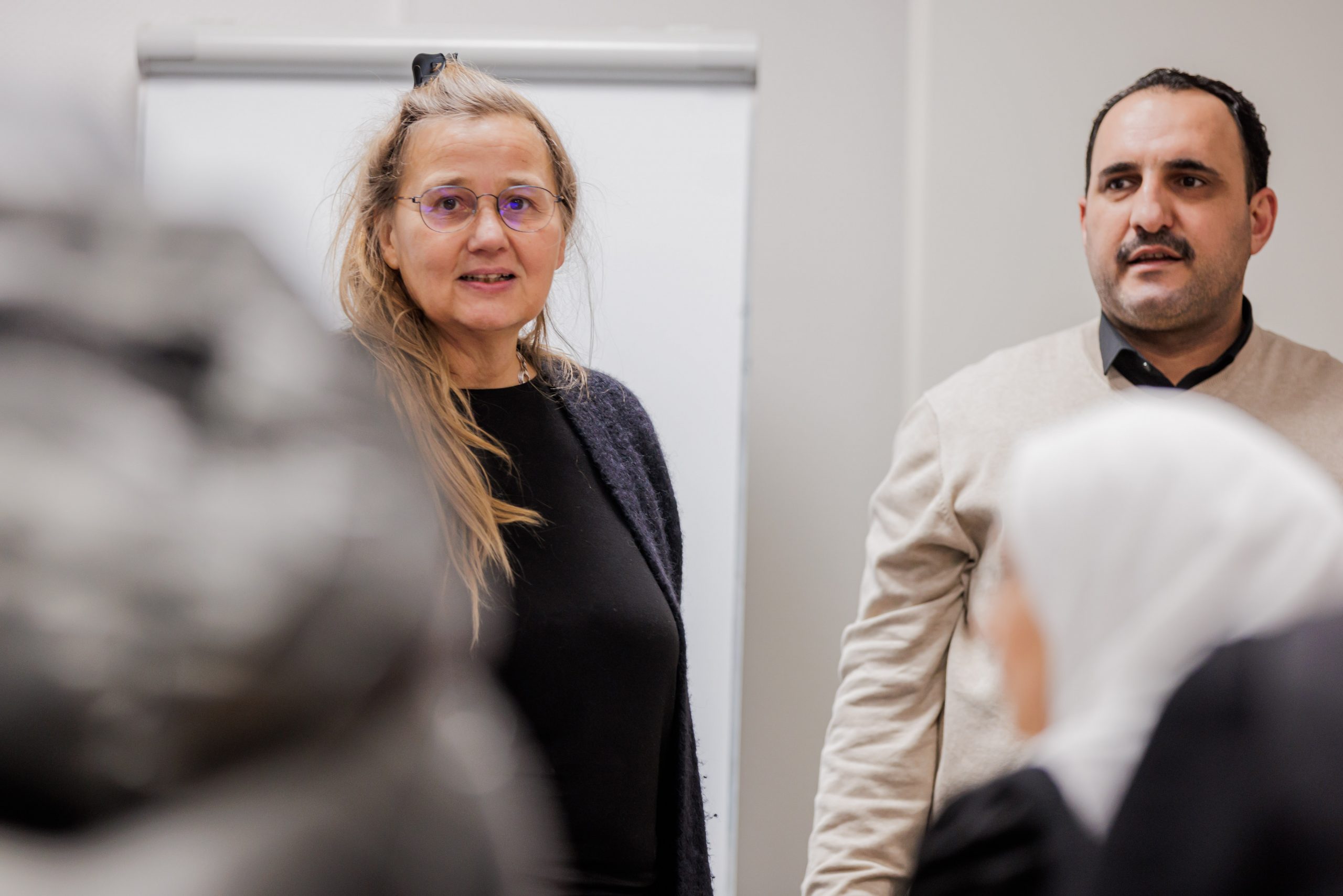
The practical workshop format developed by the Zera Institute focused on how antisemitic, extremist, and anti-democratic attitudes emerge among children and young people—and how educational professionals can address them in everyday practice in a reflective, sensitive, and effective way. The workshop provided a protected space for exchange and self-reflection, while also strengthening participants’ confidence in taking concrete action. Working with realistic case studies, participants developed discussion strategies and pedagogical approaches that support teachers in identifying problematic narratives at an early stage and responding to them constructively.
Together, participants examined how antisemitic and extremist interpretive patterns spread through family environments, peer groups, and social media; which indicators may signal early stages of radicalization or social exclusion; and which forms of language and professional stance can empower children and young people by fostering empathy, democratic understanding, and social responsibility.
The workshop was led by Gabriele Rohmann, social scientist, journalist, and co-director of the Archive of Youth Cultures. For more than 25 years, she has worked at the intersection of youth, pop, and subcultures, political education, extremism prevention, and media literacy, advising educational and cultural institutions as well as public authorities. The second facilitator was Thomas Riedmann, a social and cultural anthropologist and prospective teacher who has been active for many years as a political education practitioner, with a particular focus on antisemitism-critical educational work.
We would like to thank the participating teachers for their openness, commitment, and strong engagement. Once again, the workshop demonstrated the central importance of reflective pedagogical practice and professional exchange in strengthening children and young people at an early stage against antisemitic and extremist narratives.
Impressions
-
Zera_Workshop_202601_031
-
Zera_Workshop_202601_032
-
Zera_Workshop_202601_053
-
Zera_Workshop_202601_052
-
Zera_Workshop_202601_050
-
Zera_Workshop_202601_045
-
Zera_Workshop_202601_036
-
Zera_Workshop_202601_033

Internal Expert Workshop | December 11, 2025
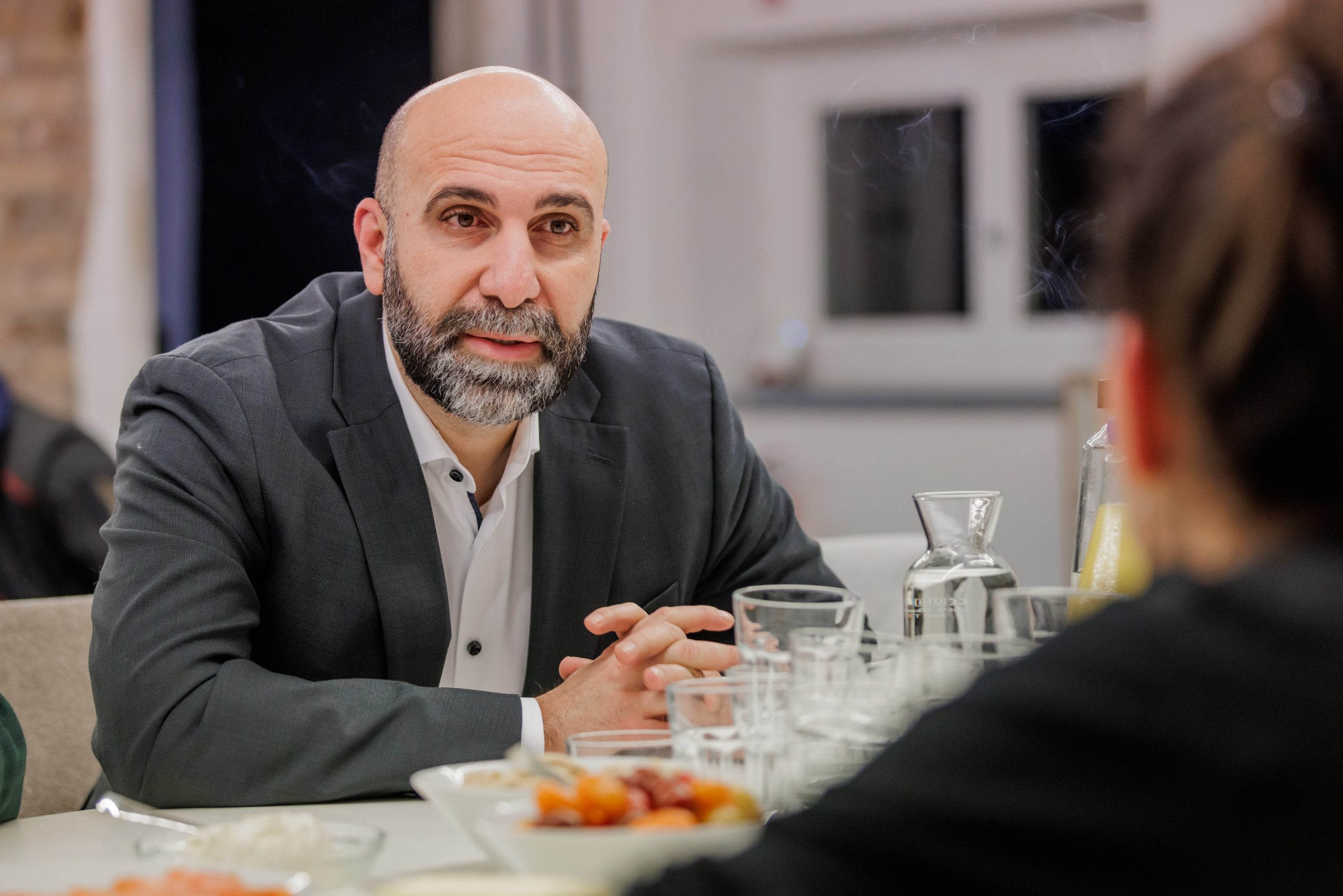
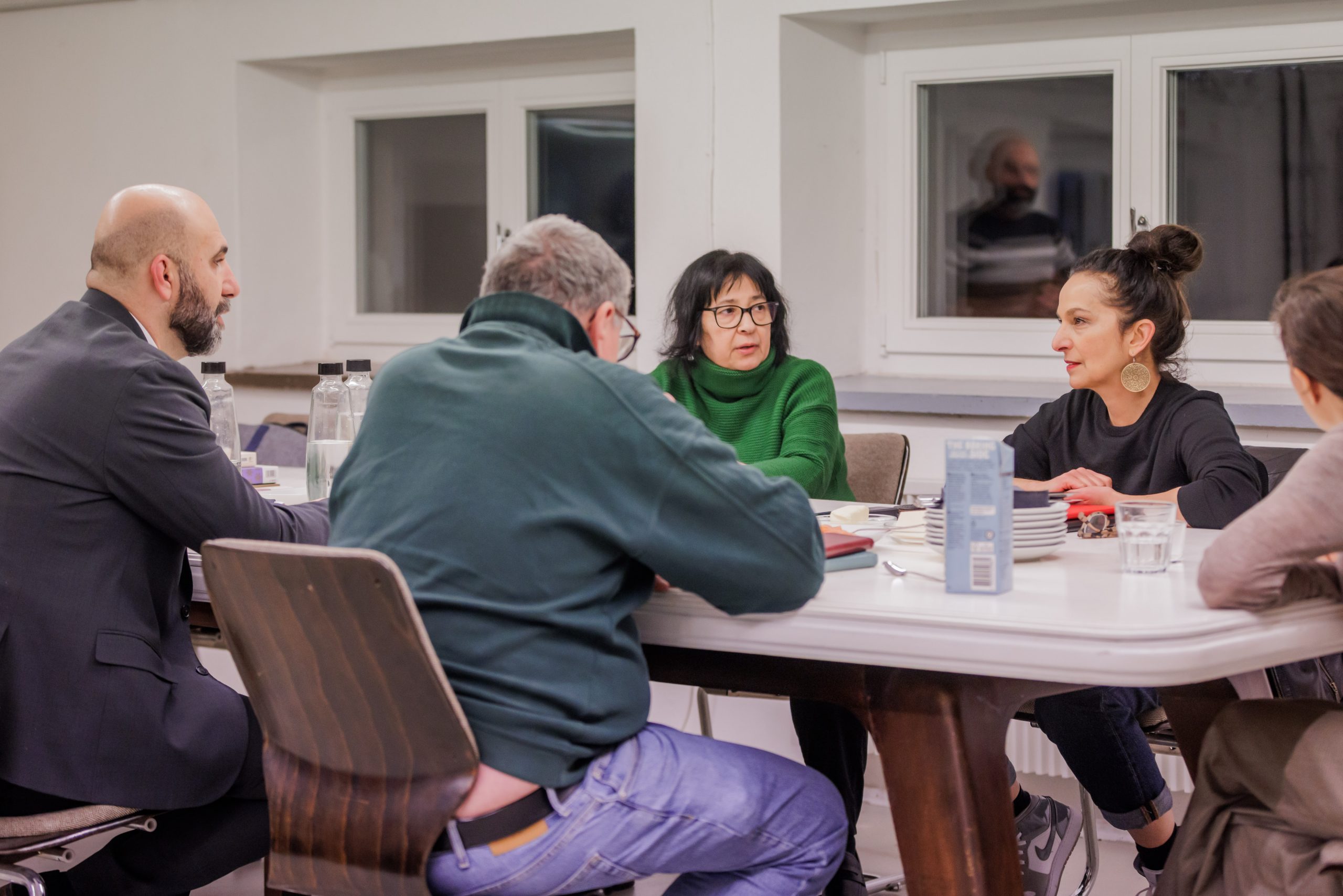
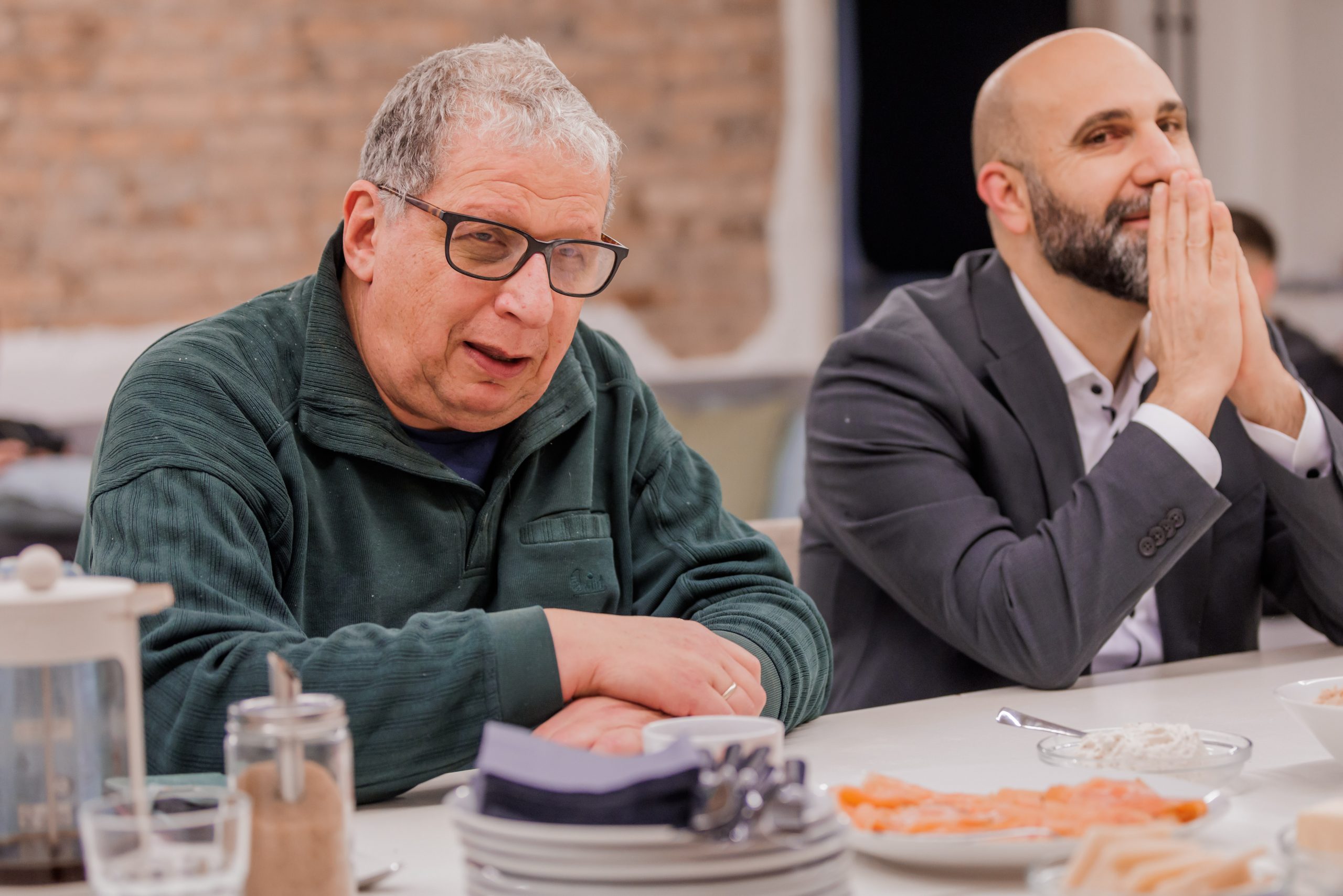
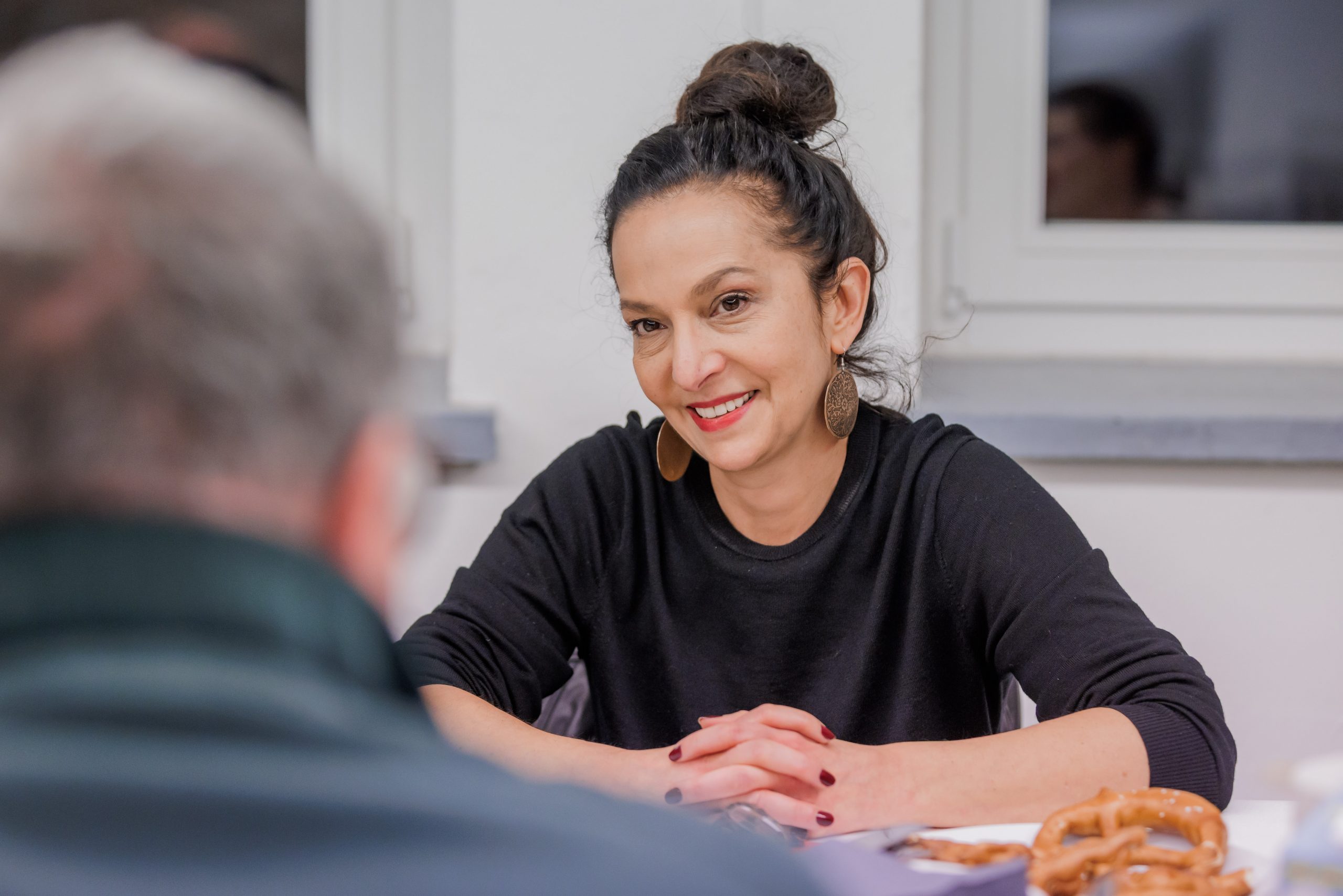
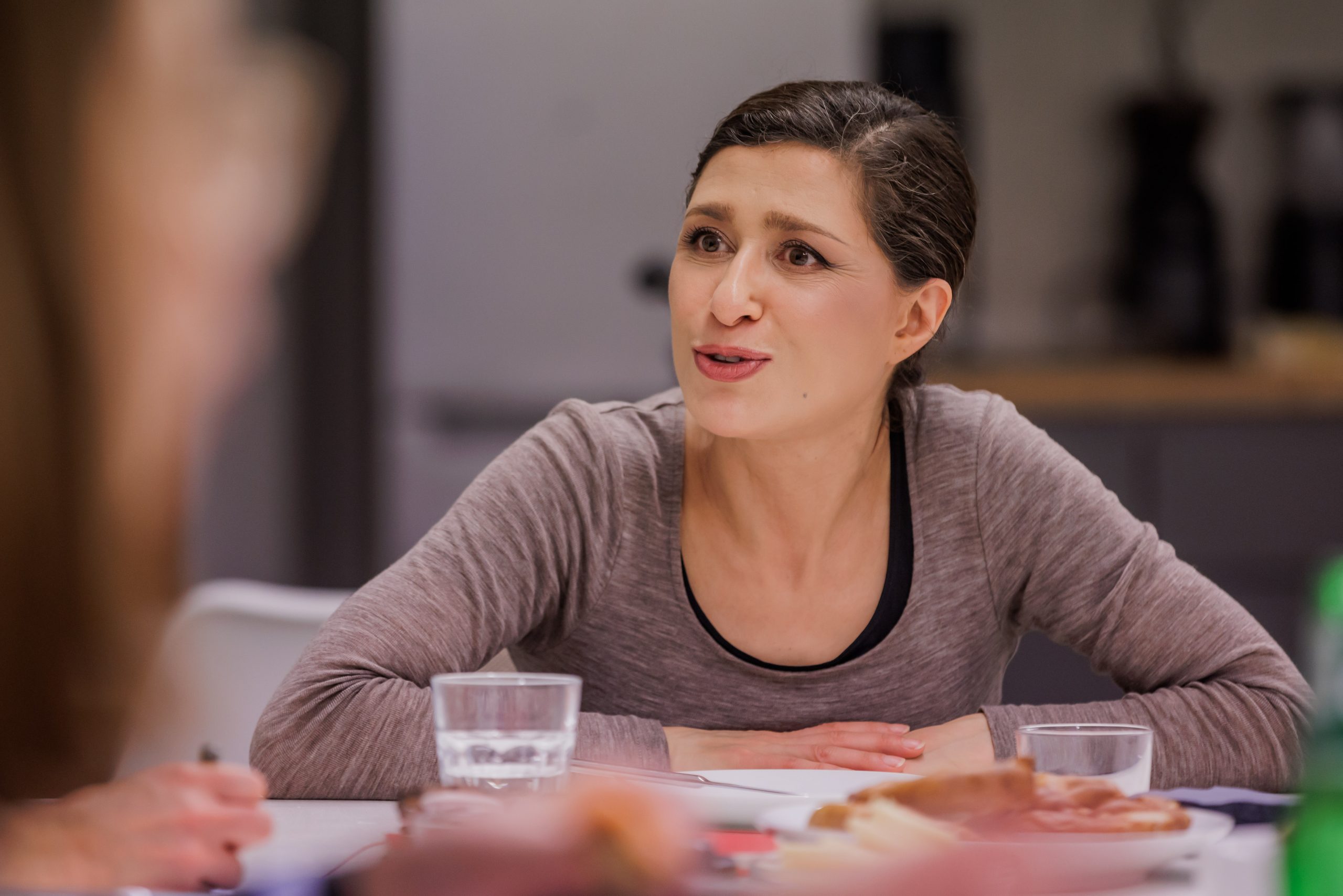
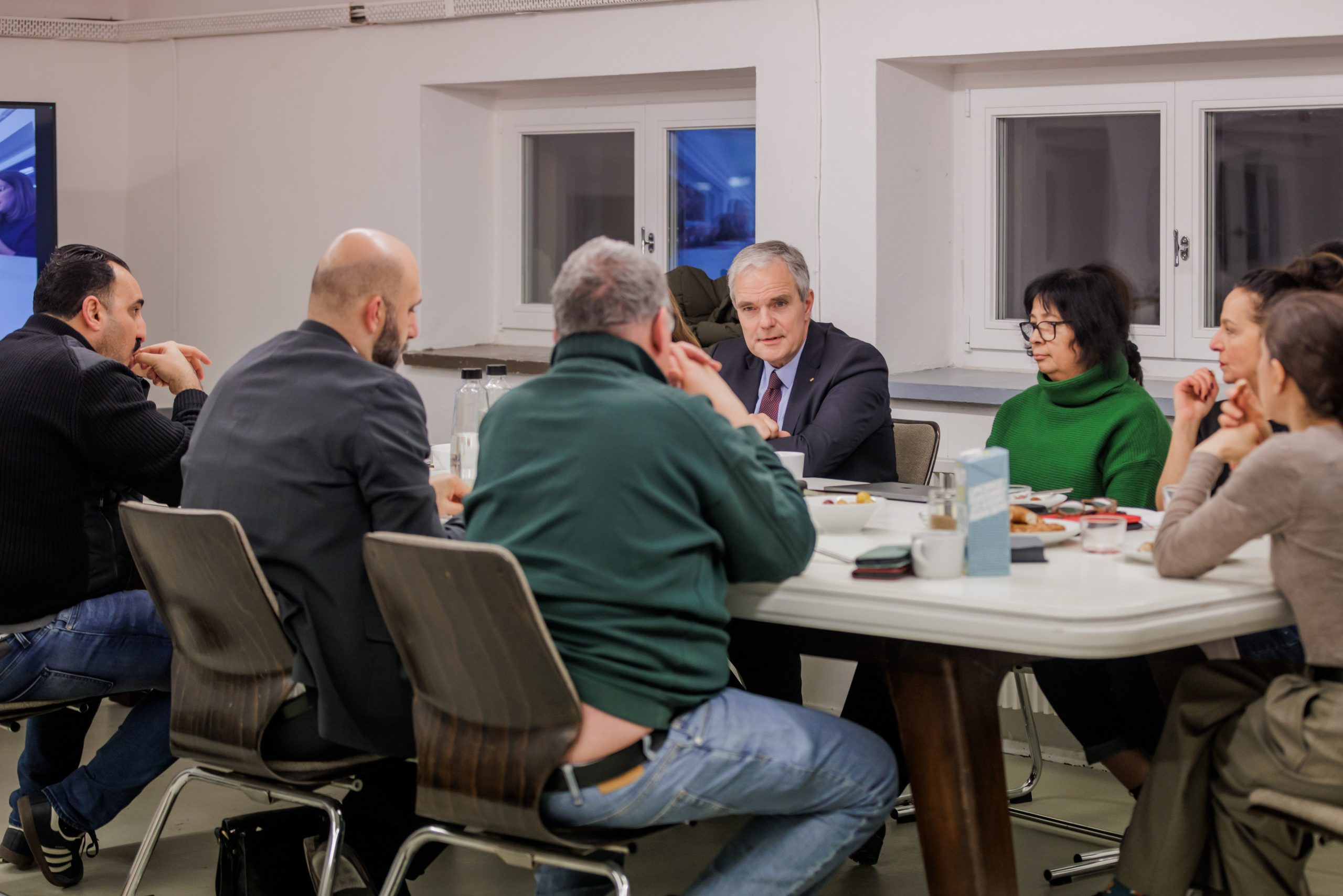
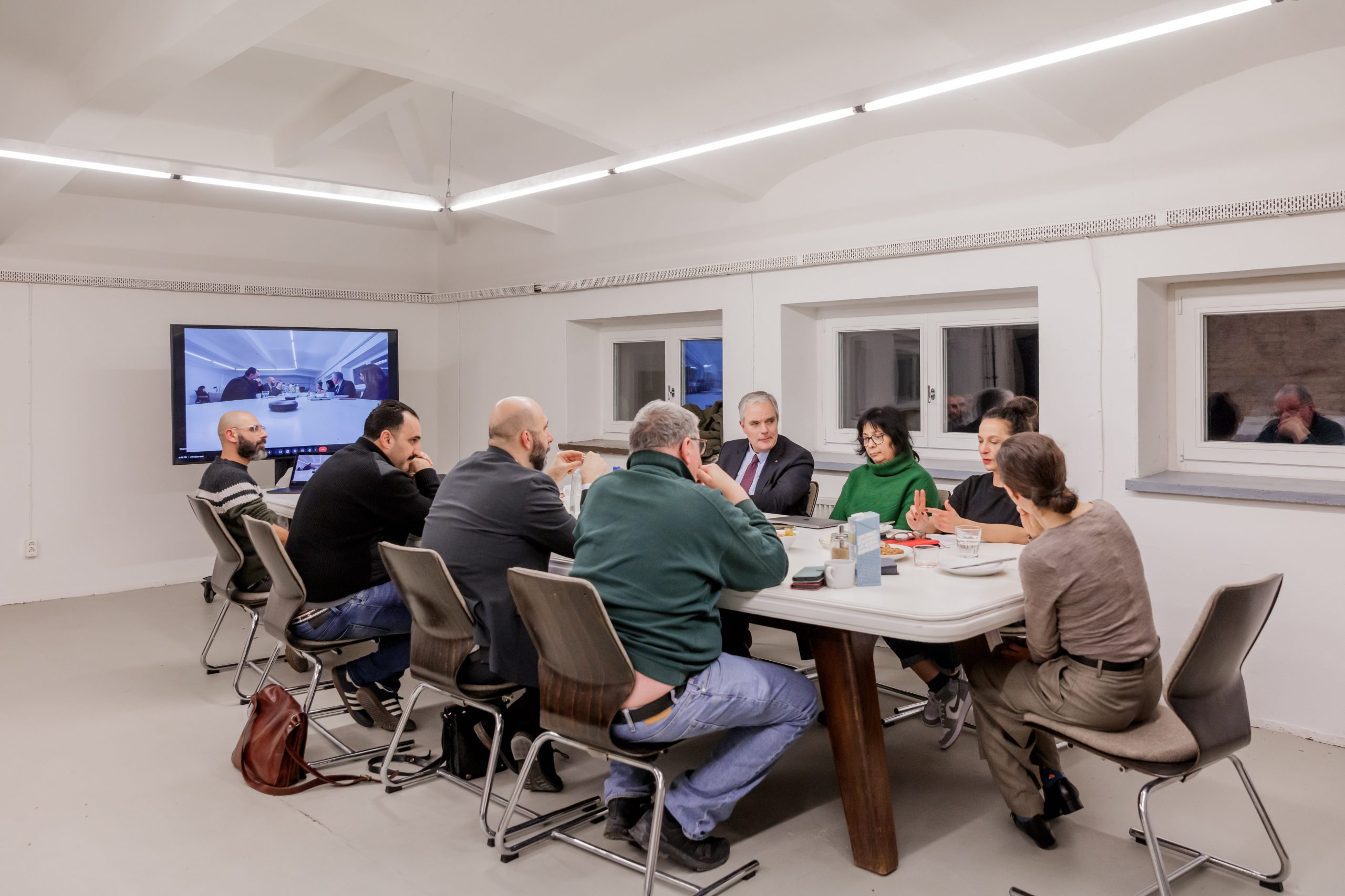
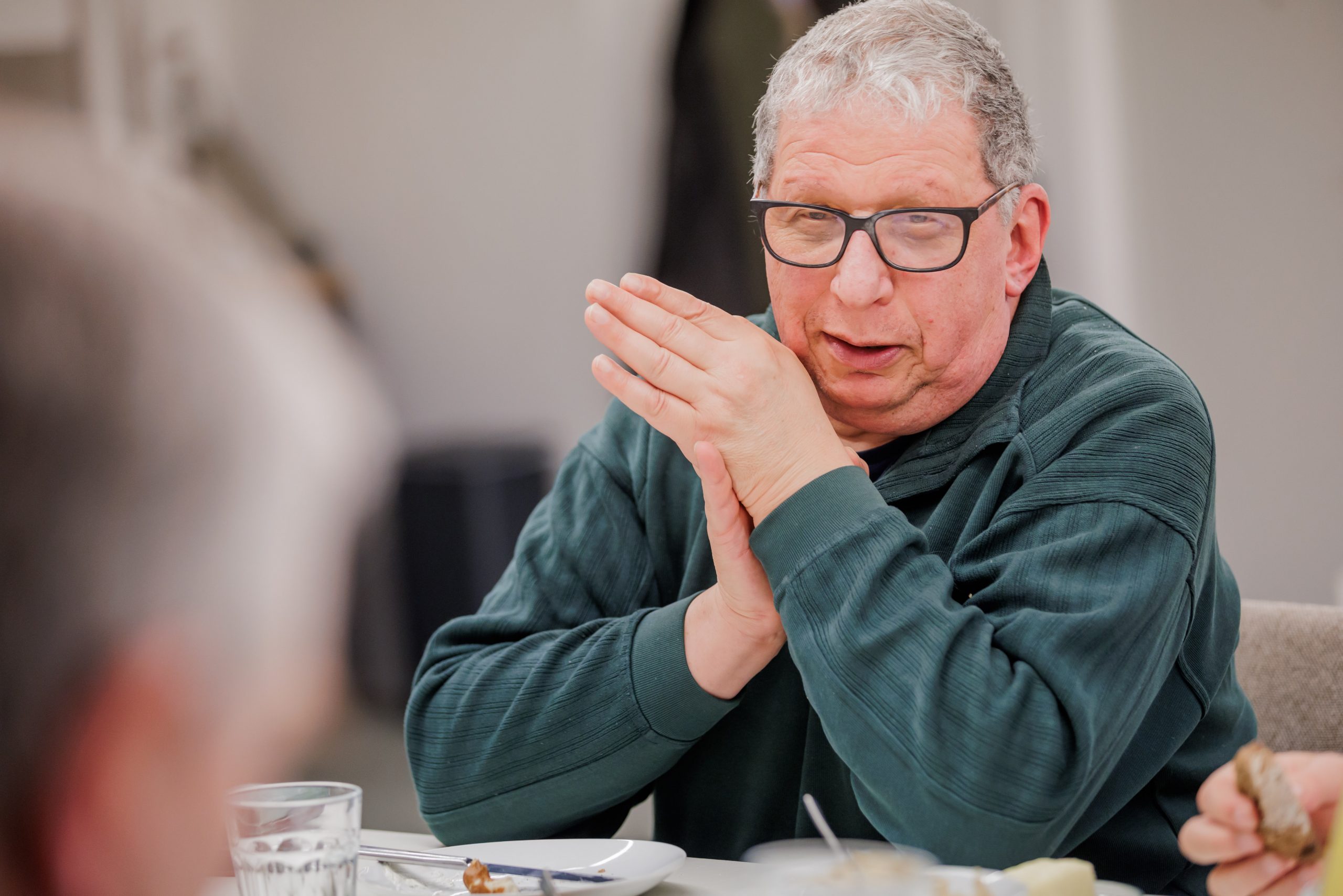
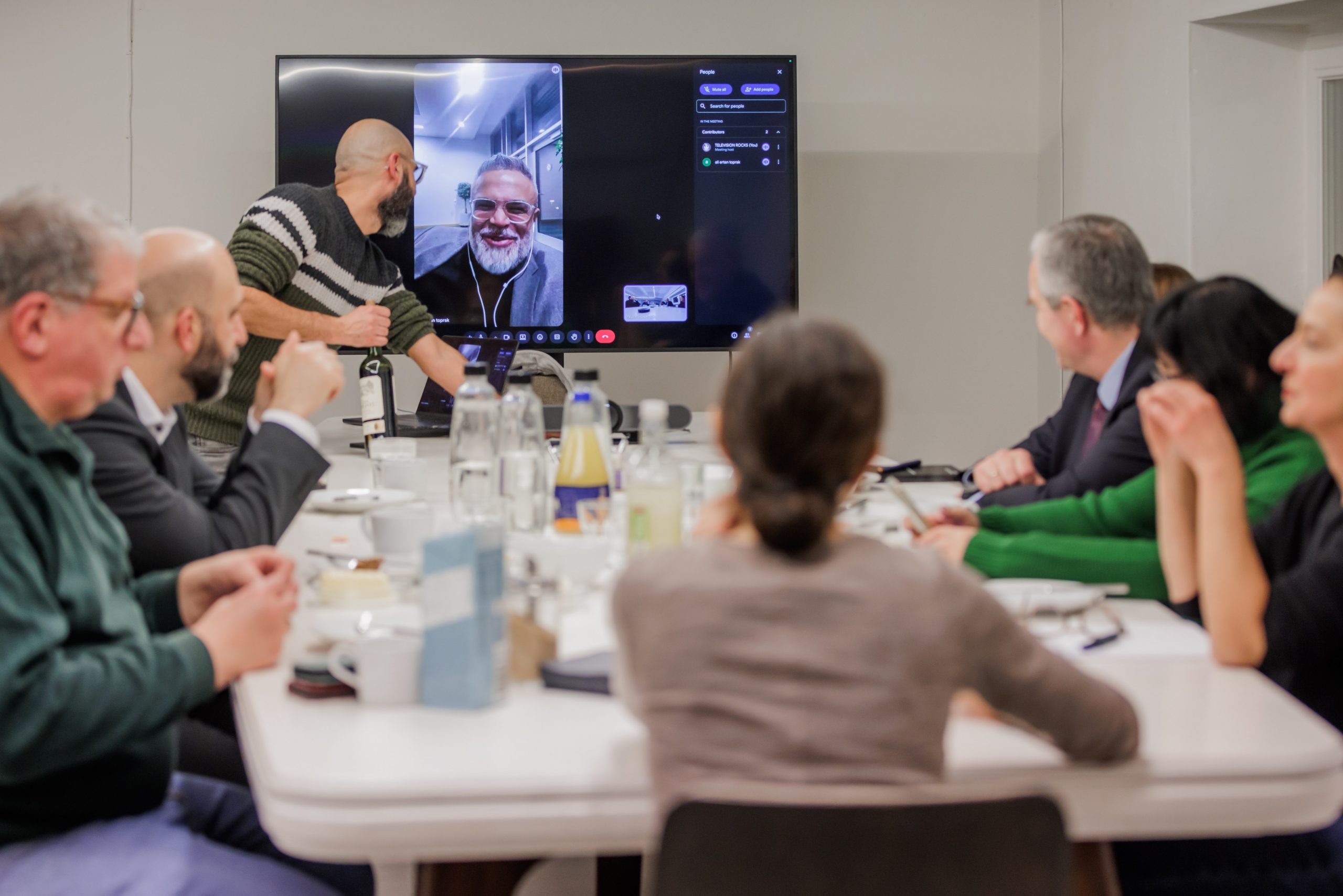
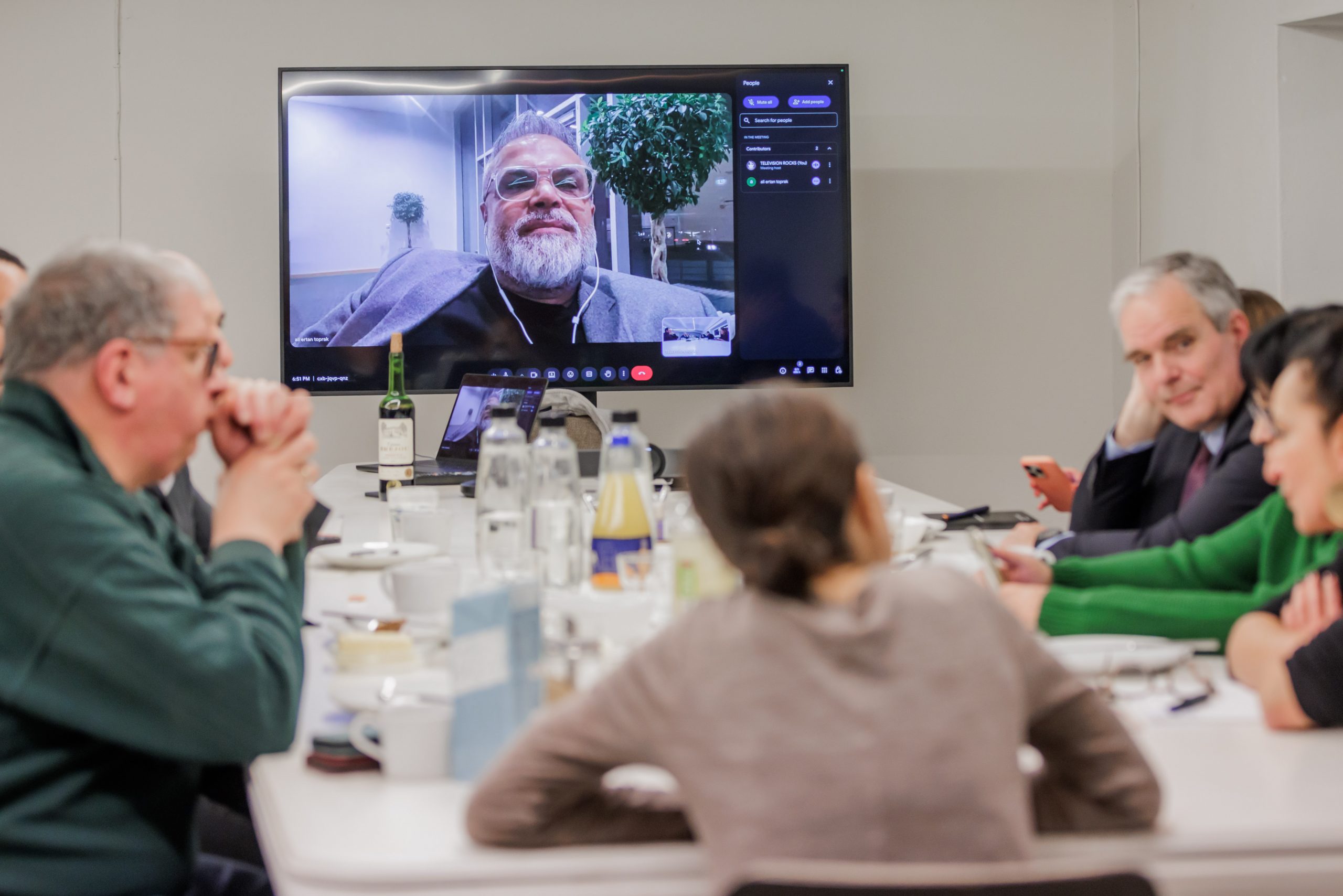
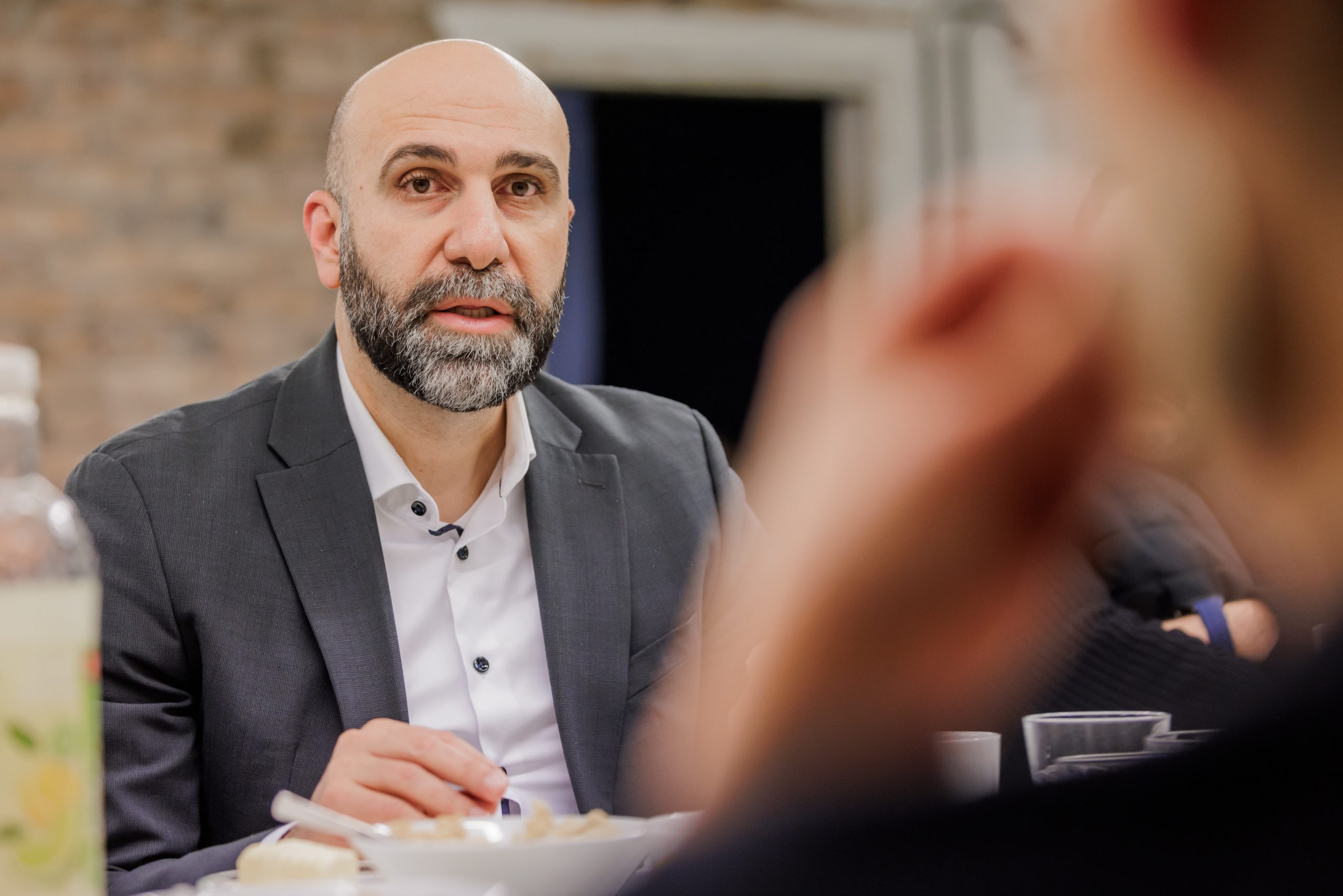
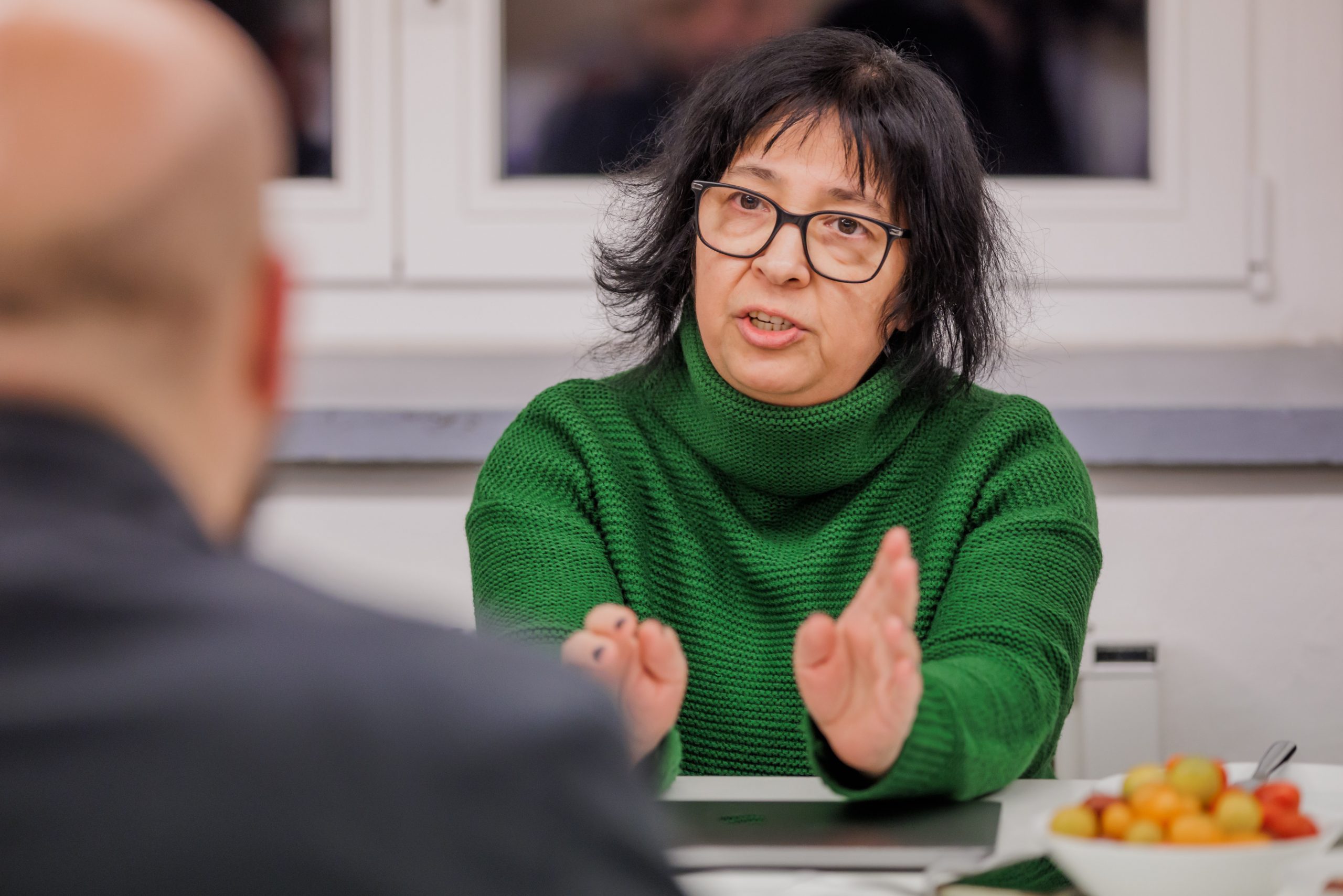
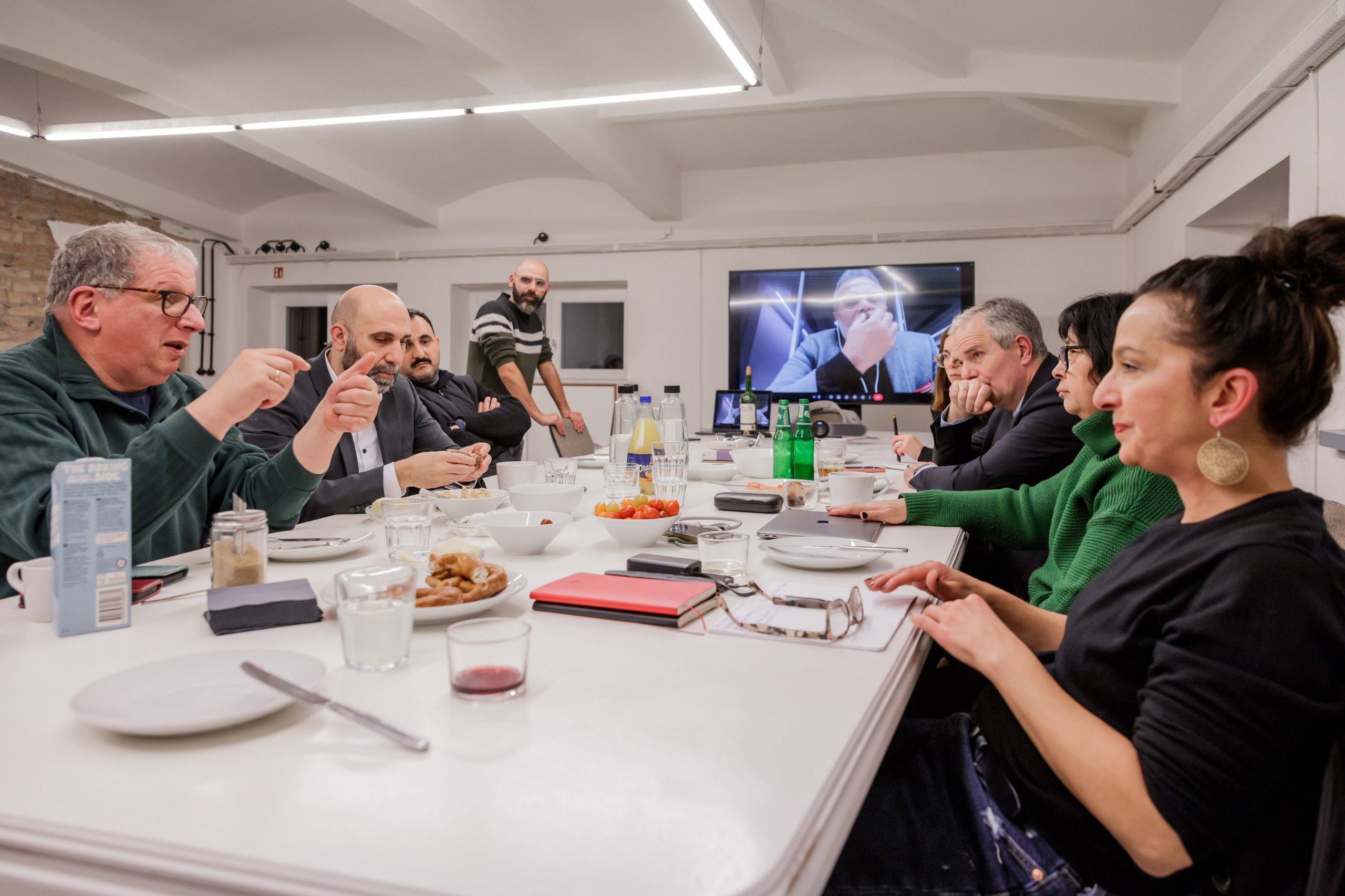
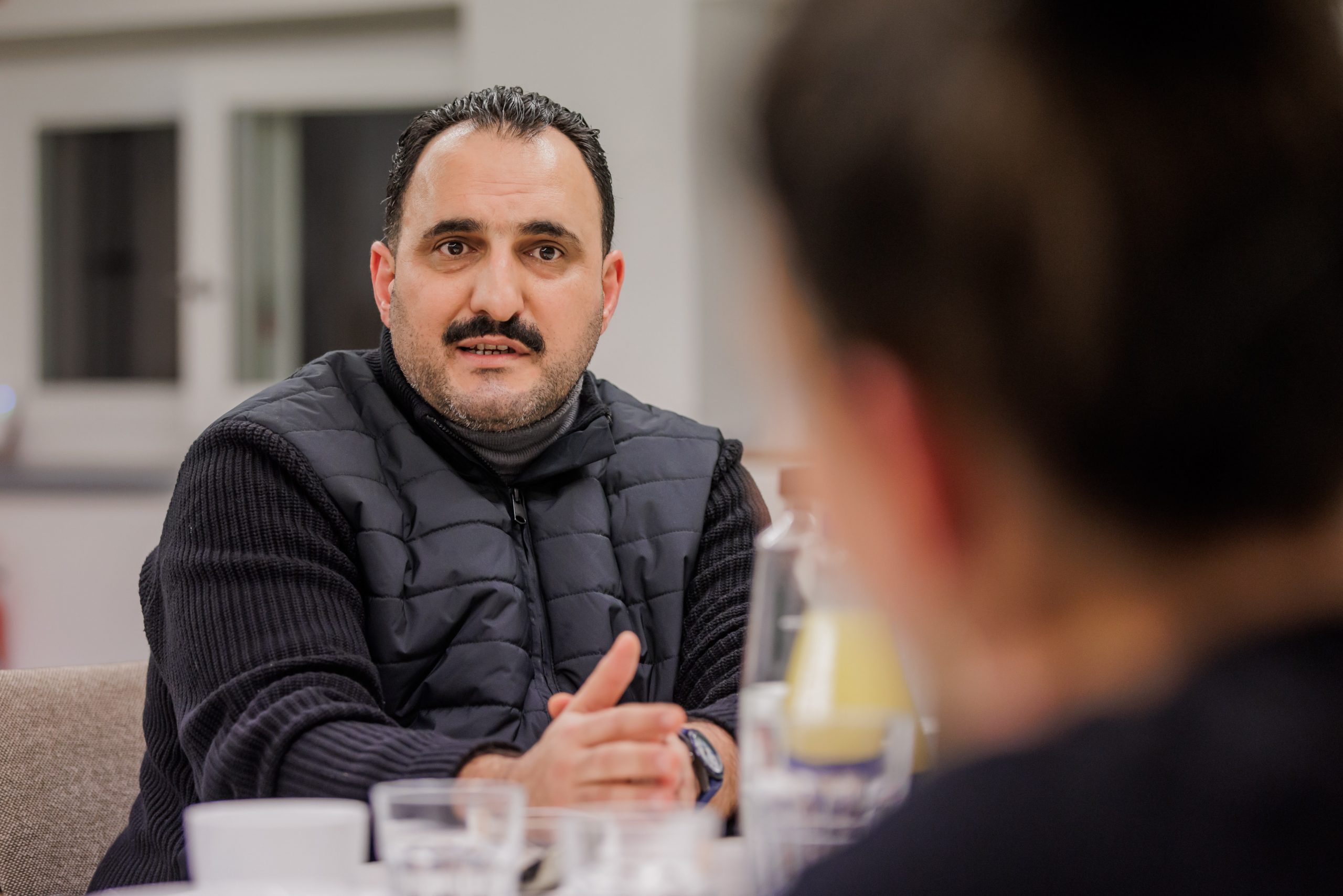
Another focus was the examination of different political and social milieus, as well as the analytical classification of specific manifestations of antisemitism. The discussion brought together perspectives from security policy, education, and civil society.
The workshop was conceived as an internal, non-public working format and serves as a foundation for future research, publications, and event formats at the Zera Institute.
Brief Biographical Notes on the Participants
-
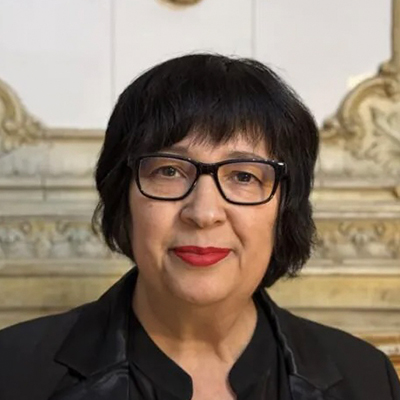
Seyran Ateş
Lawyer, author, and women’s rights activist; founder of the Ibn Rushd–Goethe Mosque in Berlin.
-

Güner Balci
Journalist and author; Integration Officer for the district of Neukölln.
-
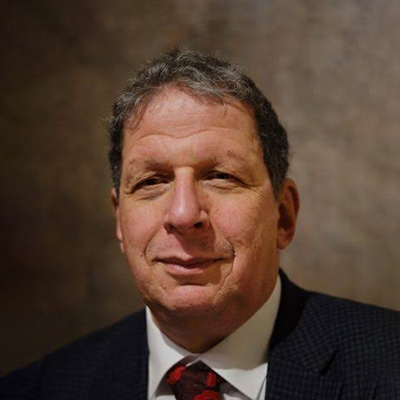
Siegmund Königsberg
Commissioner against Antisemitism of the Jewish Community of Berlin.
-
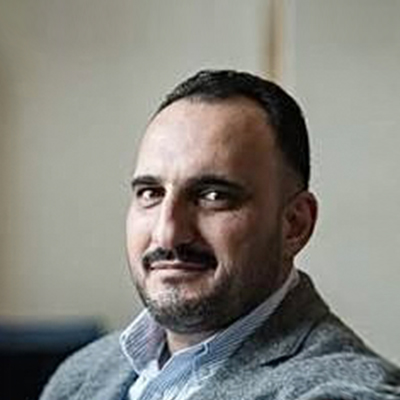
Hudhaifa Al-Mashhadani
Dean of the Ibn Khaldun School in Berlin-Neukölln
-
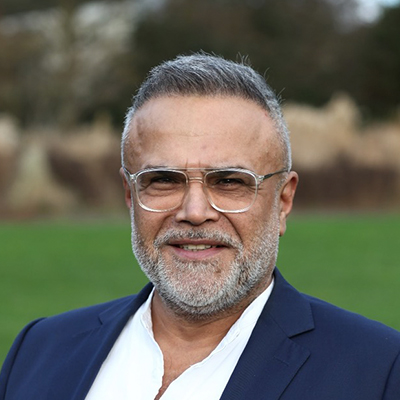
Ali Ertan Toprak
Spokesperson for domestic policy for the CDU parliamentary group in the Berlin House of Representatives.
-

Burkard Dregger
Sprecher der CDU-Fraktion im Abgeordnetenhaus von Berlin für Innenpolitik.
Impressions
-
Zera_Workshop_202512_001
-
Zera_Workshop_202512_003
-
Zera_Workshop_202512_006
-
Zera_Workshop_202512_007
-
Zera_Workshop_202512_010
-
Zera_Workshop_202512_013
-
Zera_Workshop_202512_016
-
Zera_Workshop_202512_017
-
Zera_Workshop_202512_018
-
Zera_Workshop_202512_019
-
Zera_Workshop_202512_020
-
Zera_Workshop_202512_021
-
Zera_Workshop_202512_024
-
Zera_Workshop_202512_025

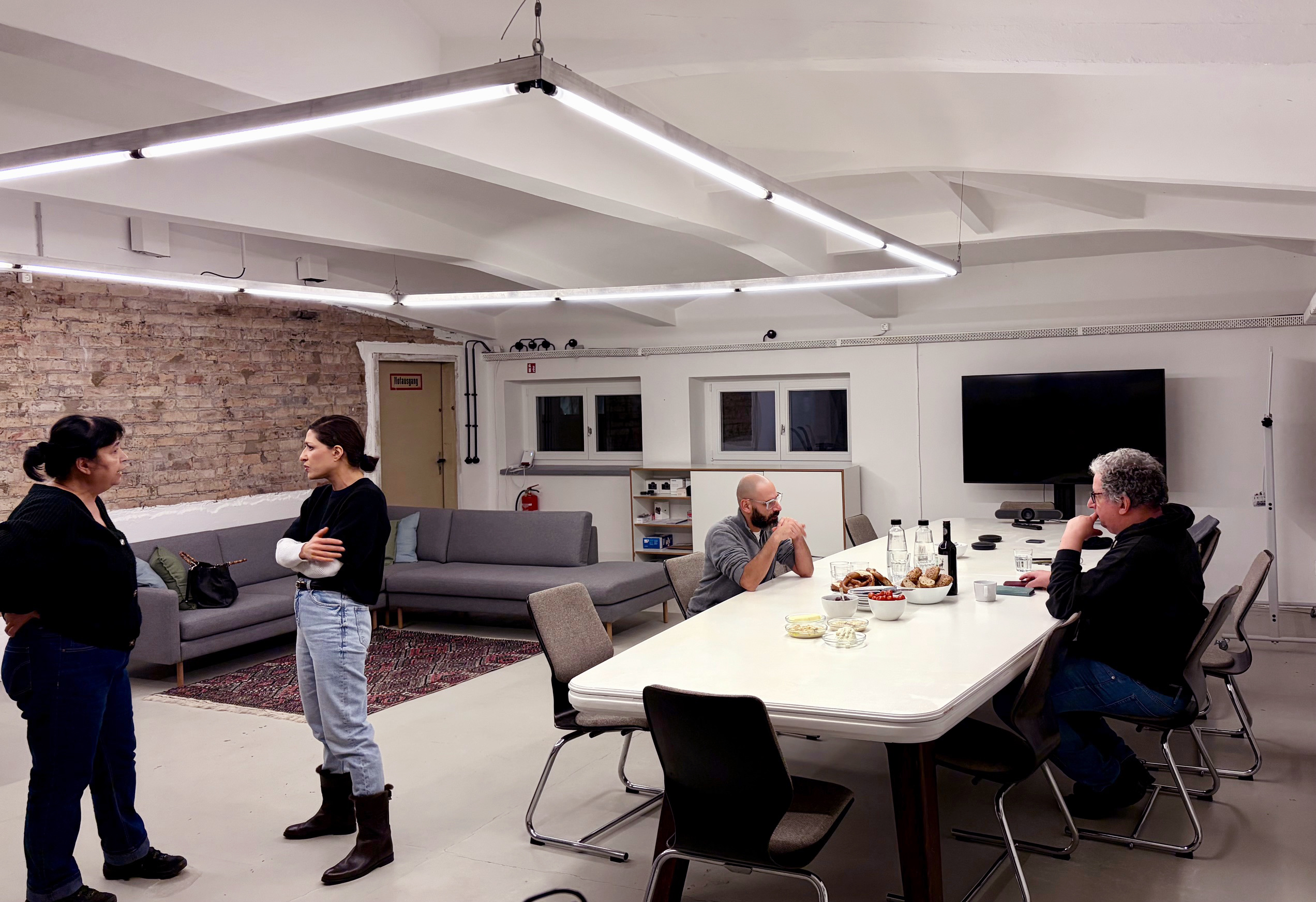
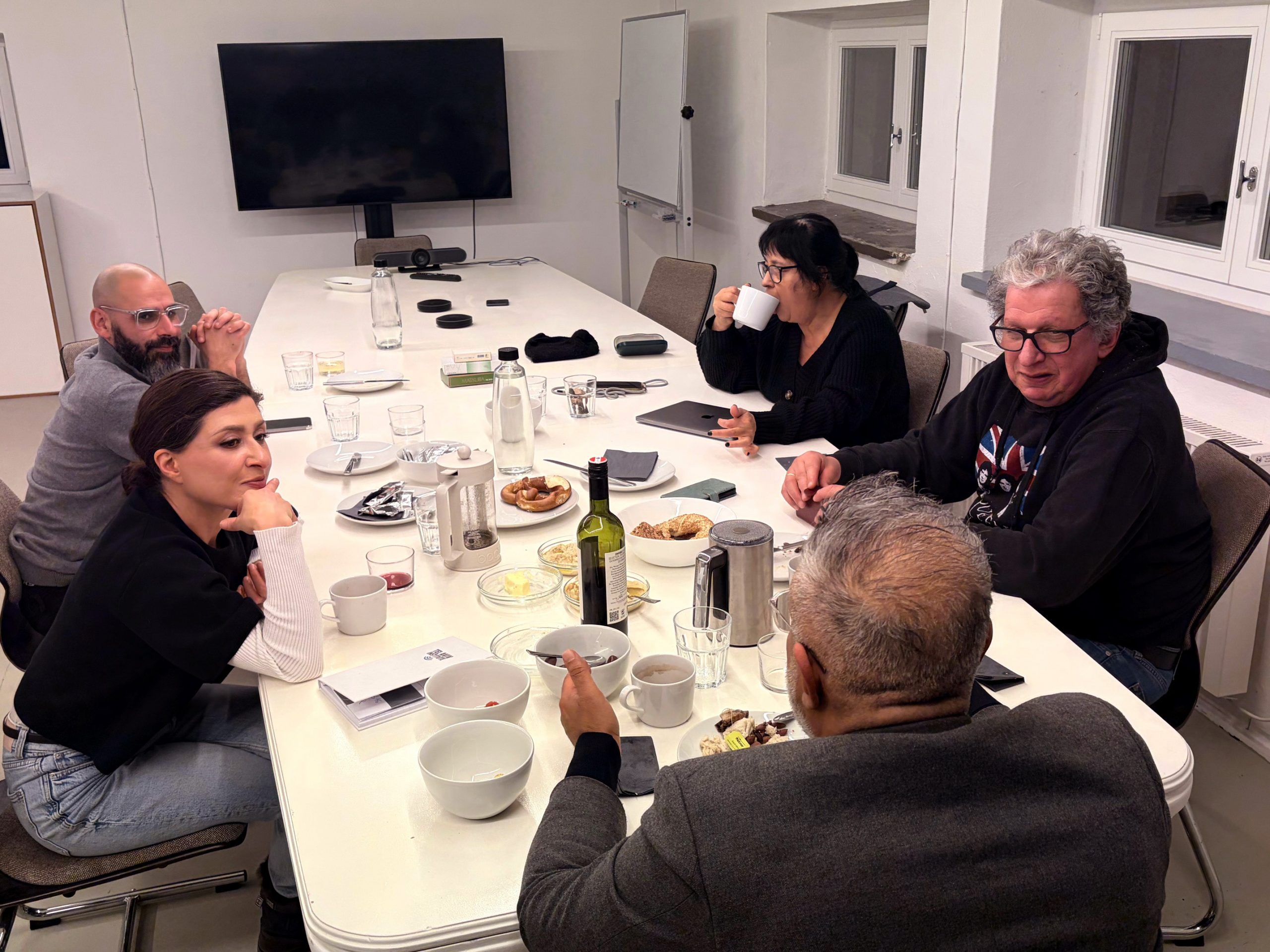
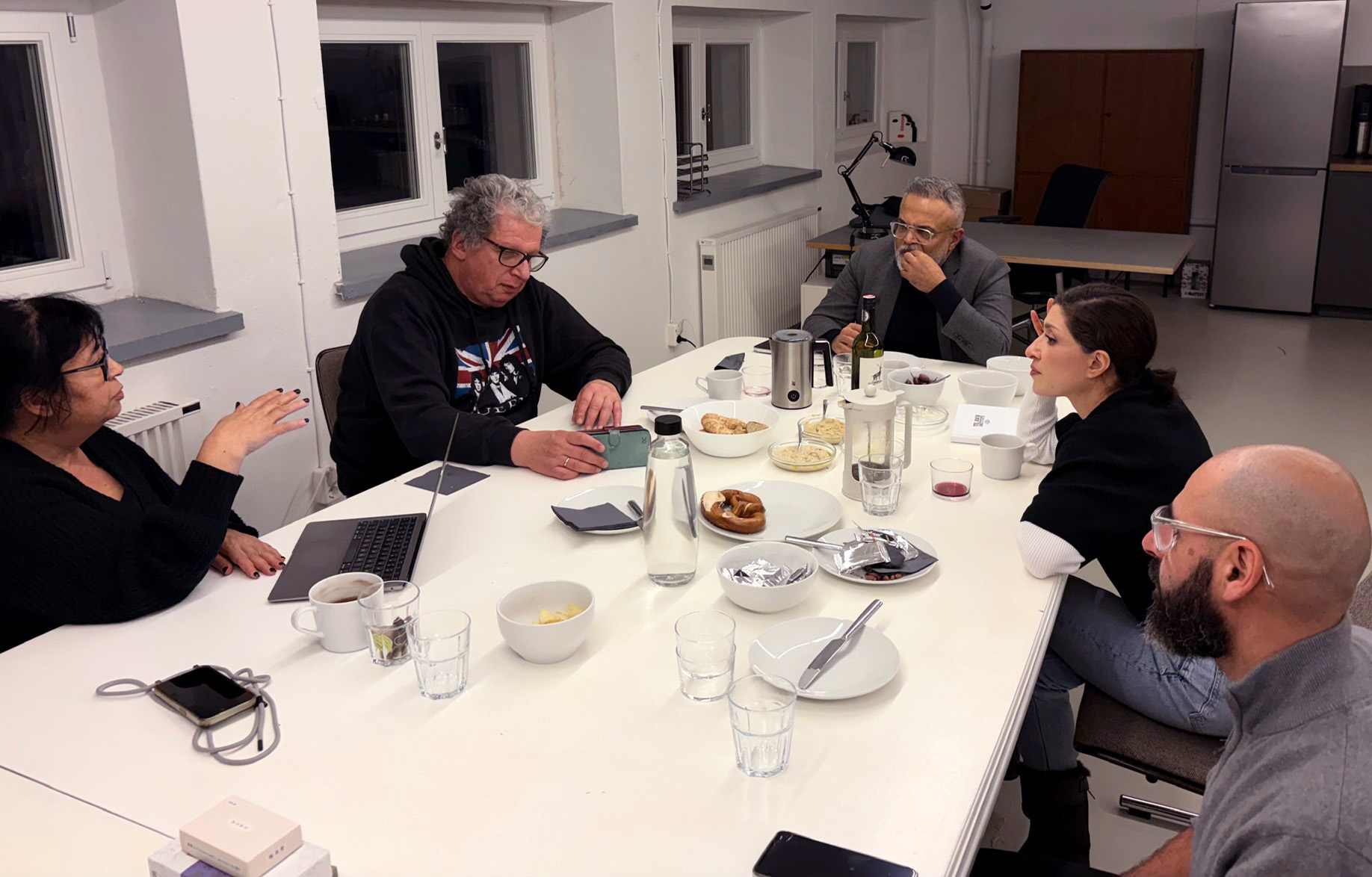
Internal Expert Workshop | December 3, 2025
Analytical Exchange on Antisemitism, Islamism, and Social Radicalization
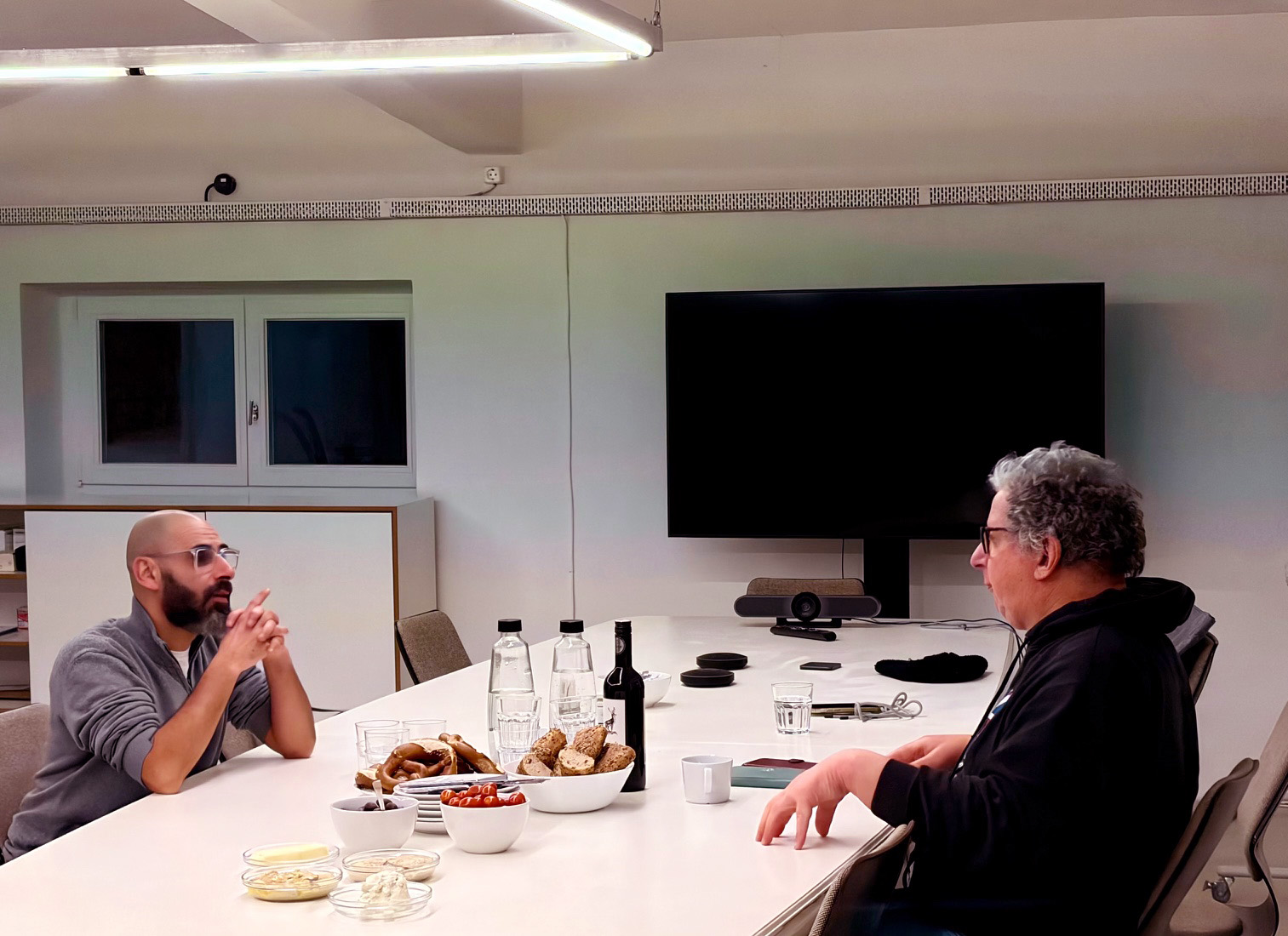
On December 3, 2025, the Zera Institute convened its first internal expert panel in a closed working format. Participants included Seyran Ateş, Siegmund Königsberg, Commissioner against Antisemitism of the Jewish Community of Berlin, and Ali Ertan Toprak.
The discussion examined current manifestations of antisemitism and Islamism in Germany, as well as patterns of radicalization across different social contexts. Particular attention was given to the dynamics through which extremist narratives spread in public spaces and digital environments. A further focus lay on structural challenges in how politics, civil society, and state institutions address processes of radicalization.
The roundtable served as a forum for internal professional exchange, conceptual clarification, and preparation for future research and educational formats at the Zera Institute.
Brief Biographical Notes on the Participants
-
Seyran Ateş
Rechtsanwältin, Autorin und Frauenrechtlerin. Gründerin der Ibn-Rushd-Goethe-Moschee in Berlin.
-
Sigmount A. Königsberg
Beauftragter gegen Antisemitismus der Jüdischen Gemeinde zu Berlin.
-
Ali Ertan Toprak
Bundesvorsitzender der Kurdischen Gemeinde Deutschland.
Impressions
-
kleine-runde-1-03122025
-
kleine-runde-2-03122025
-
kleine-runde-3-03122025
-
kleine-runde-4-03122025