Extremism, Language, and Responsibility – Reflections on the Evening of January 29, 2026
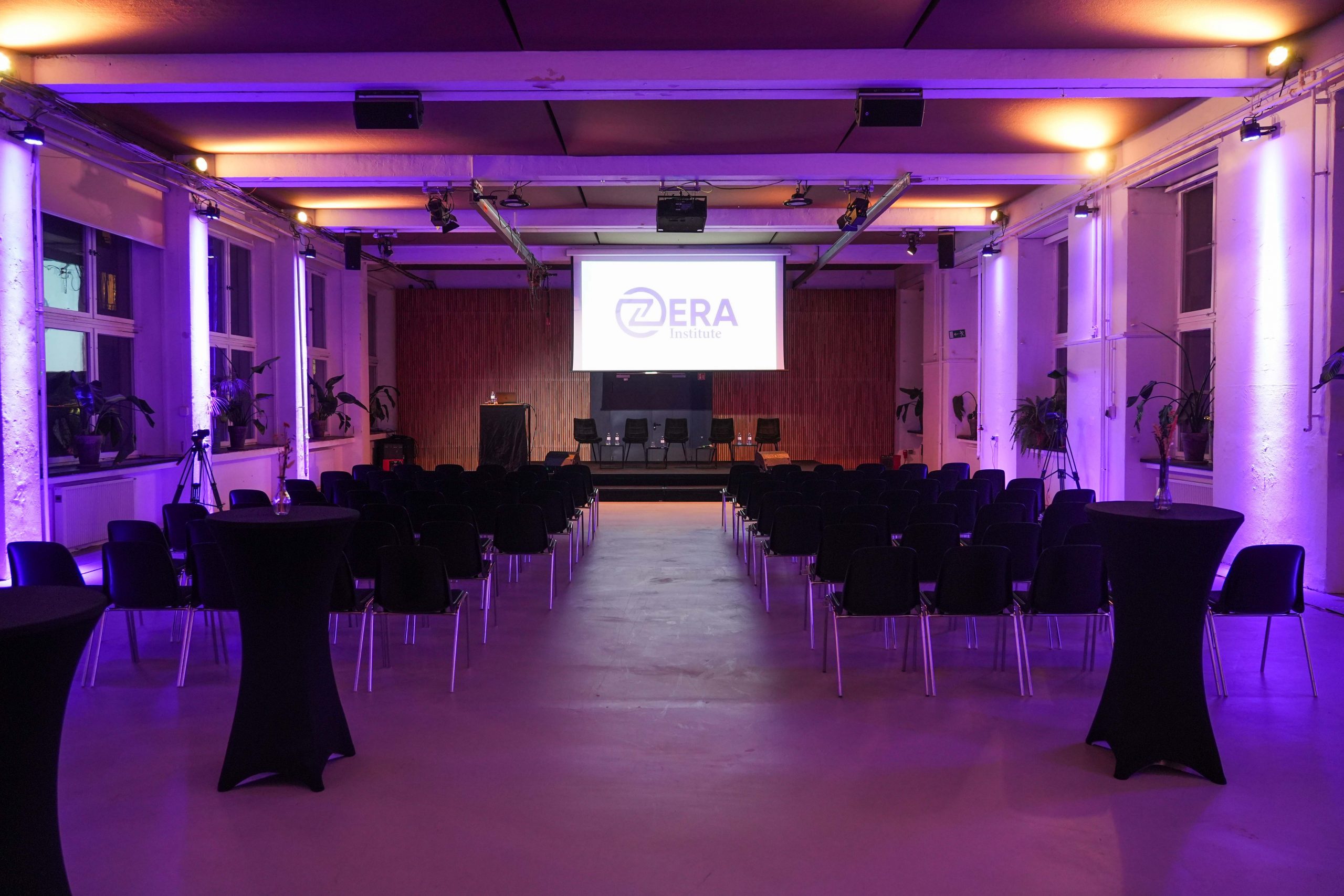
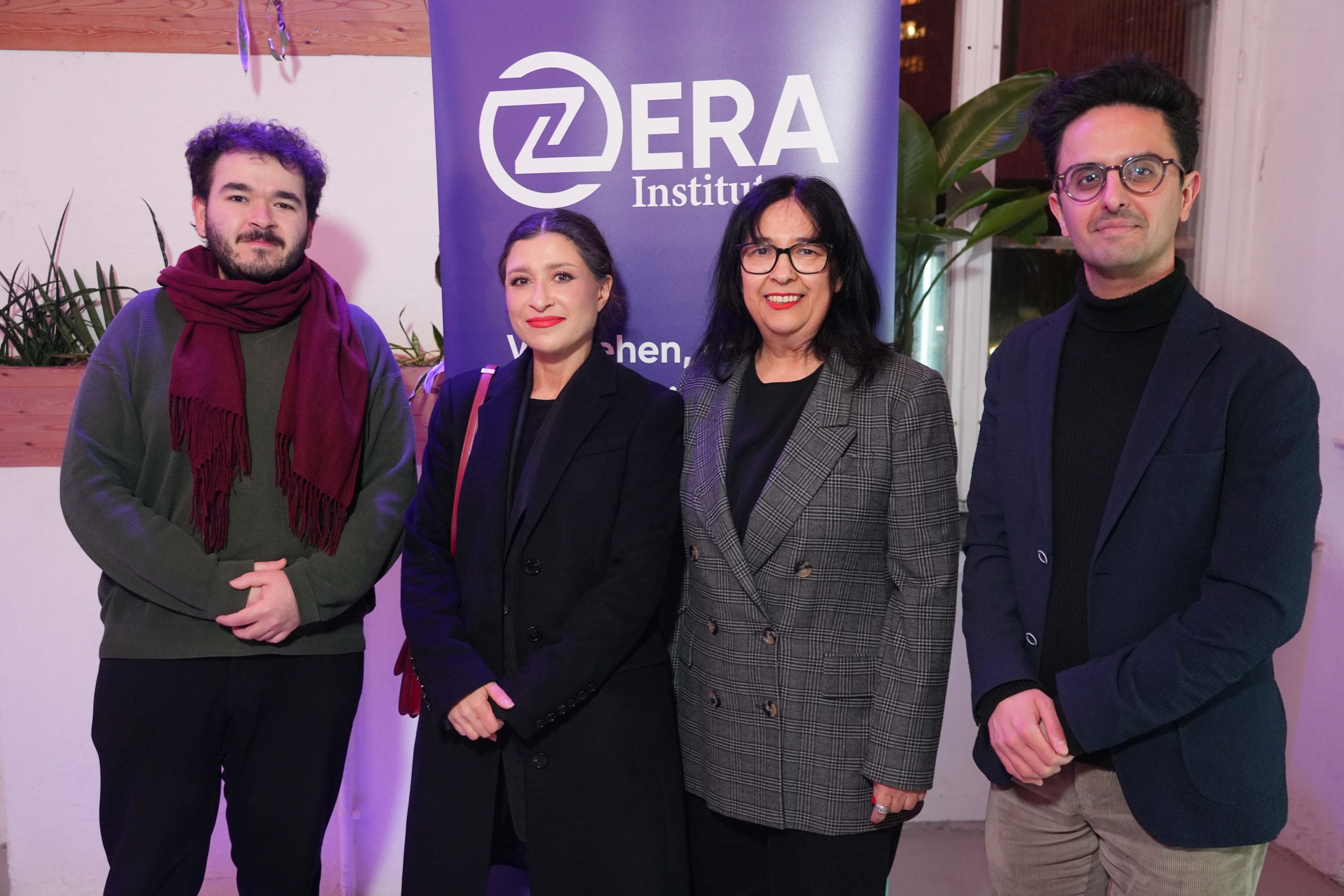
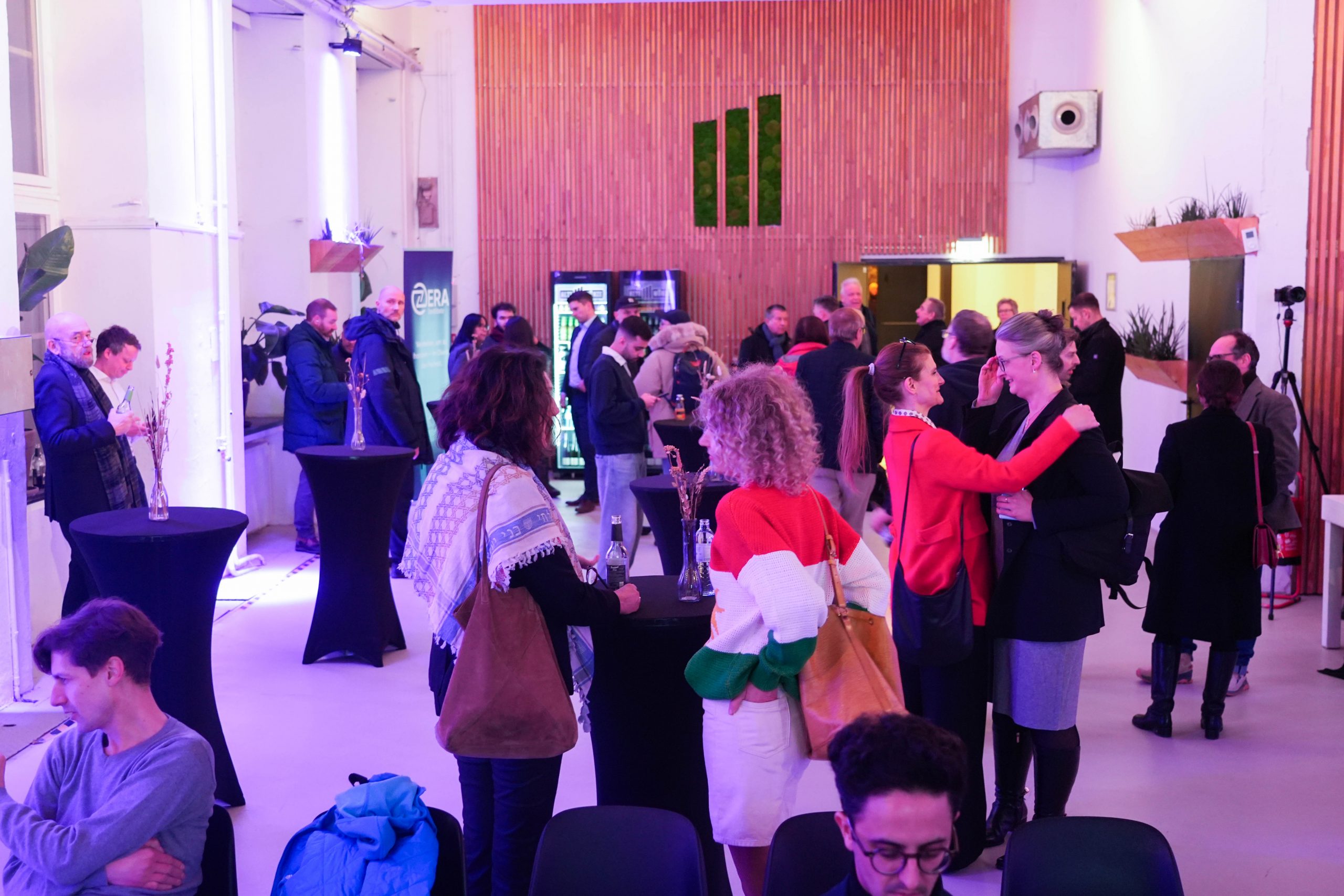
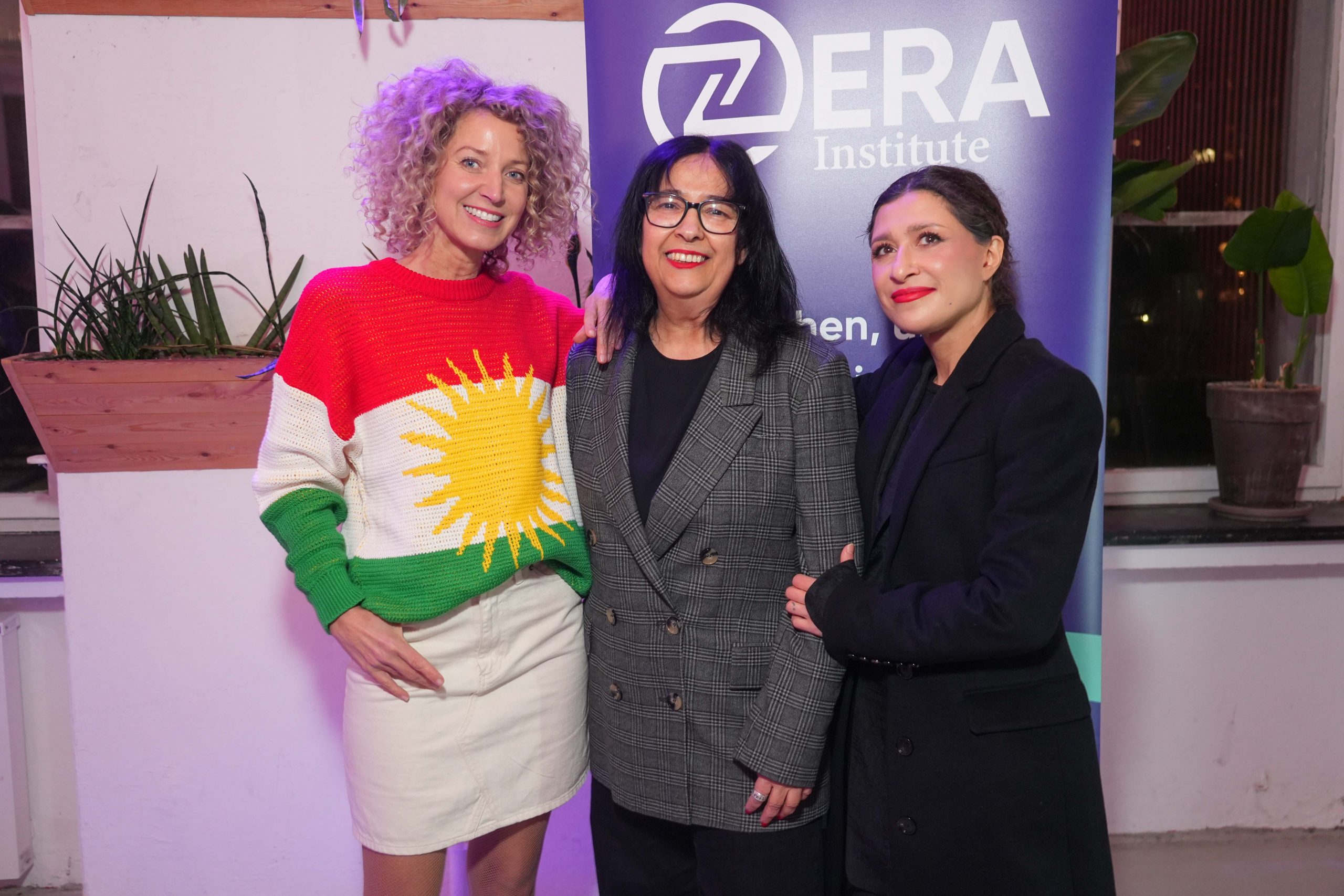
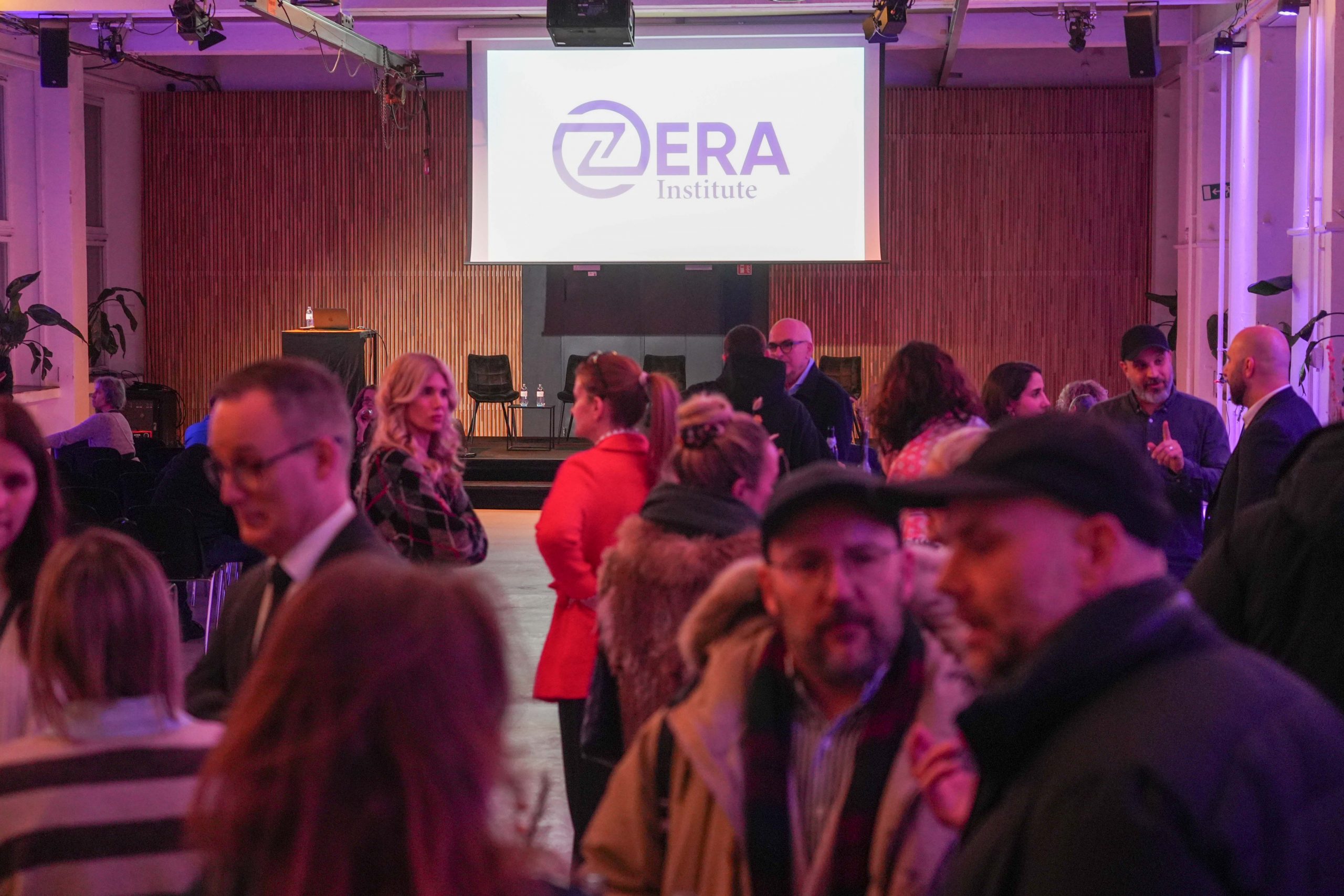
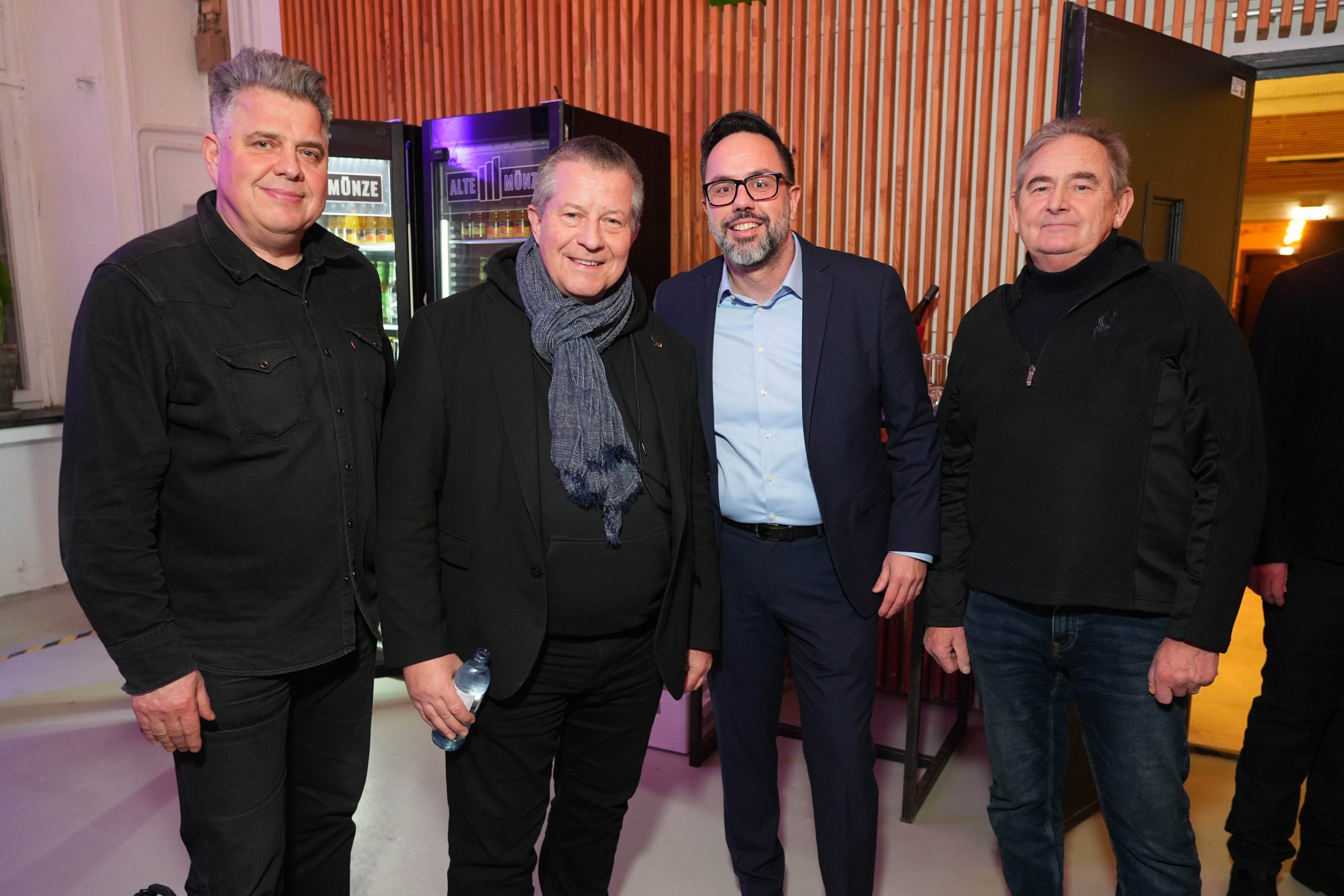
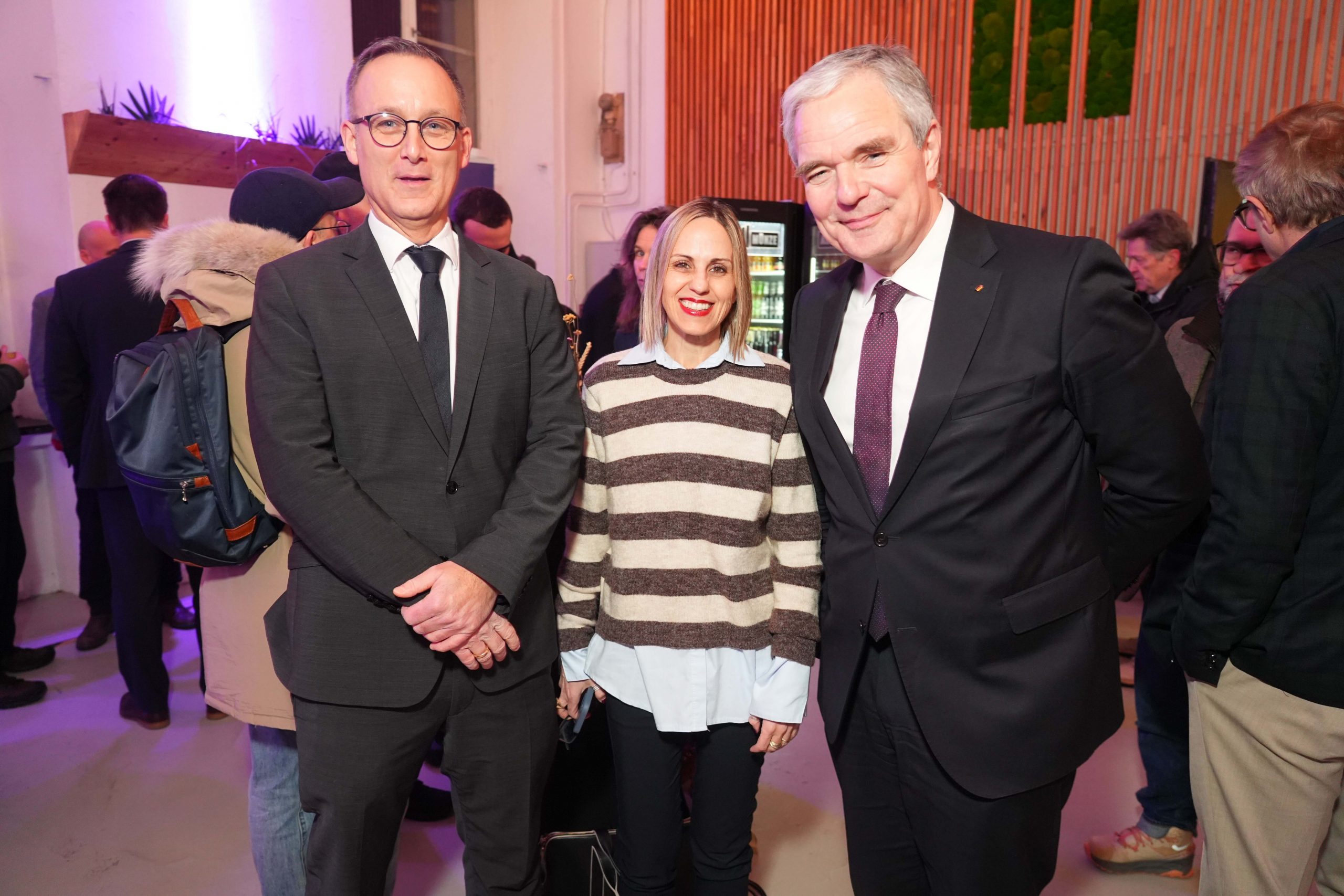
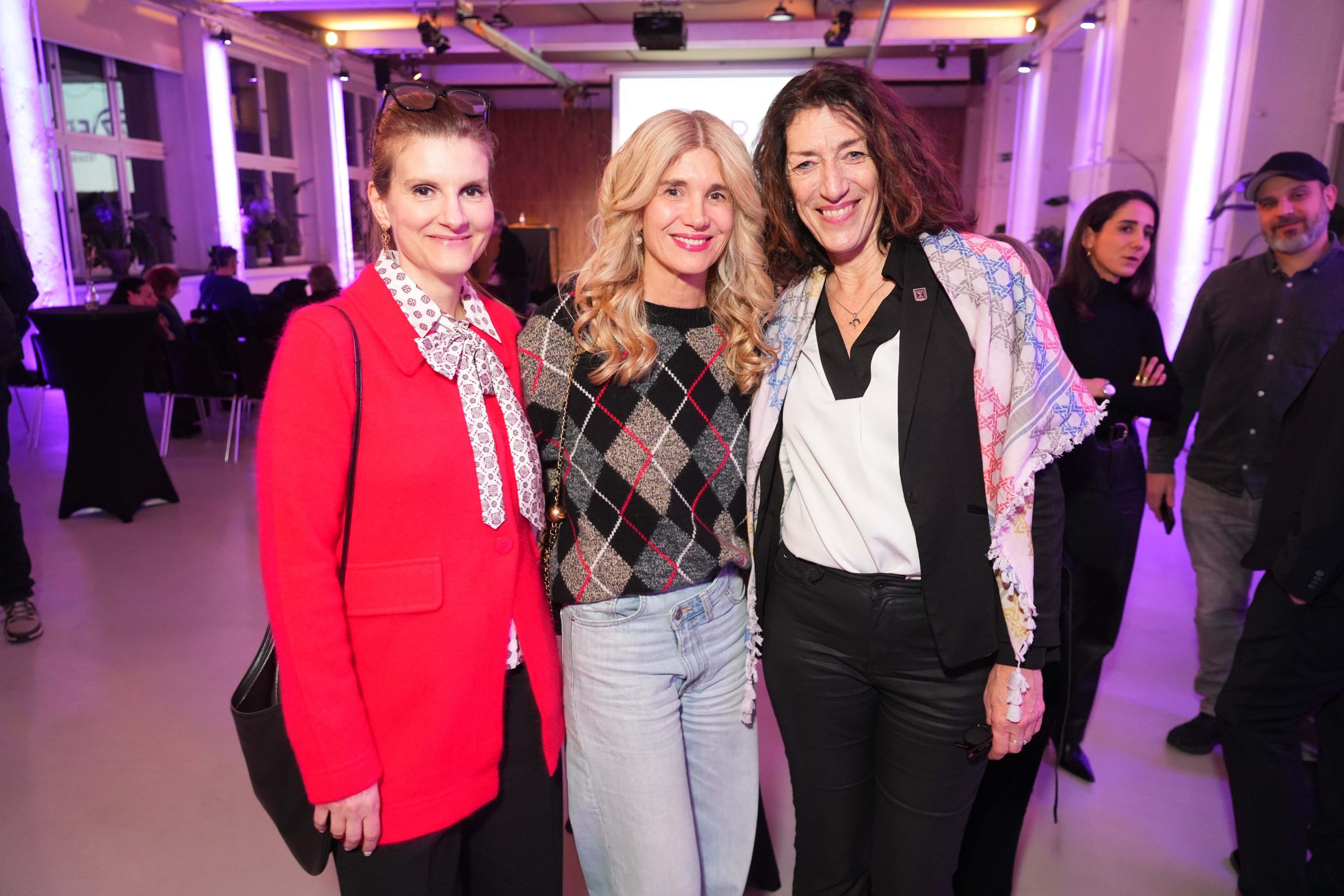
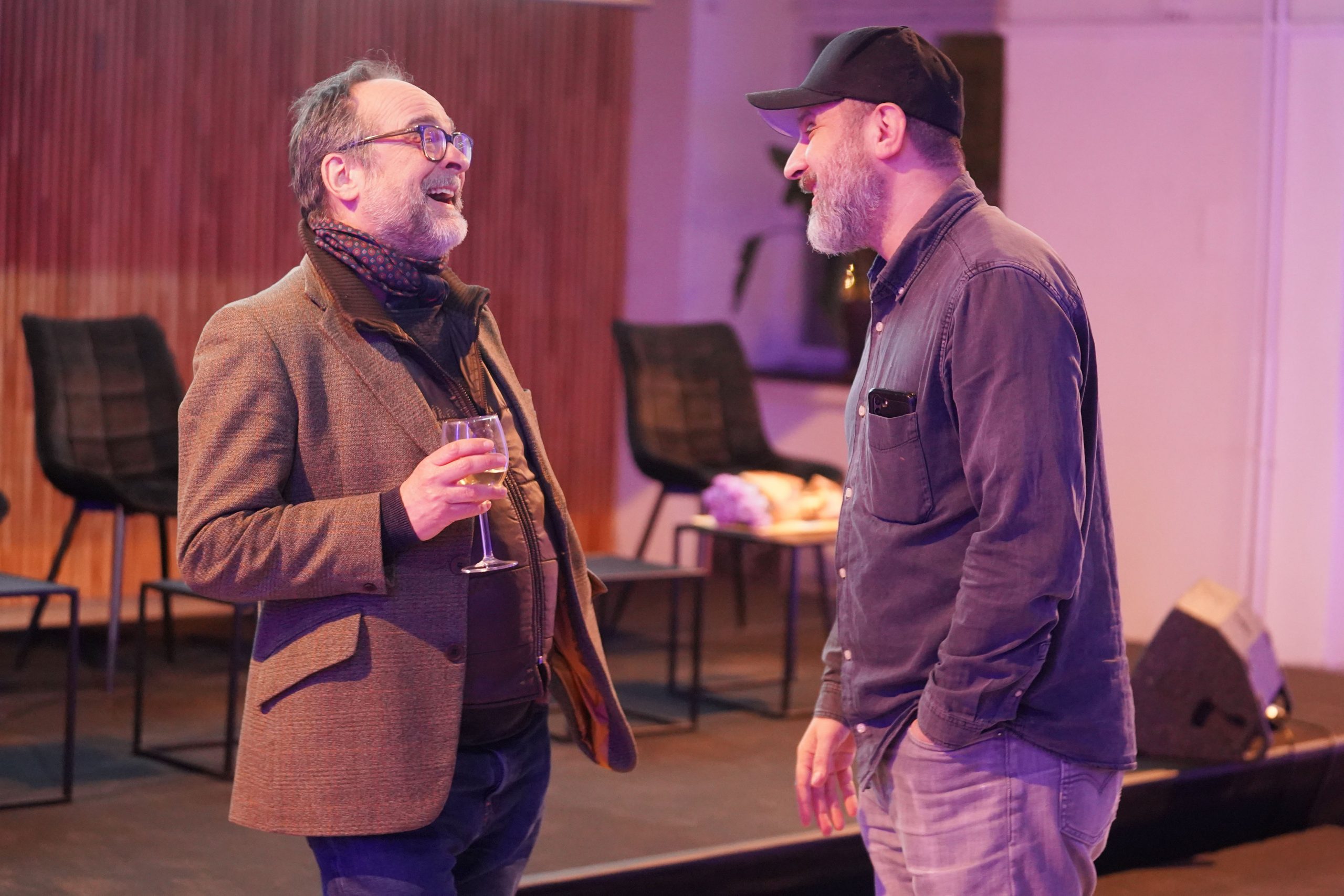
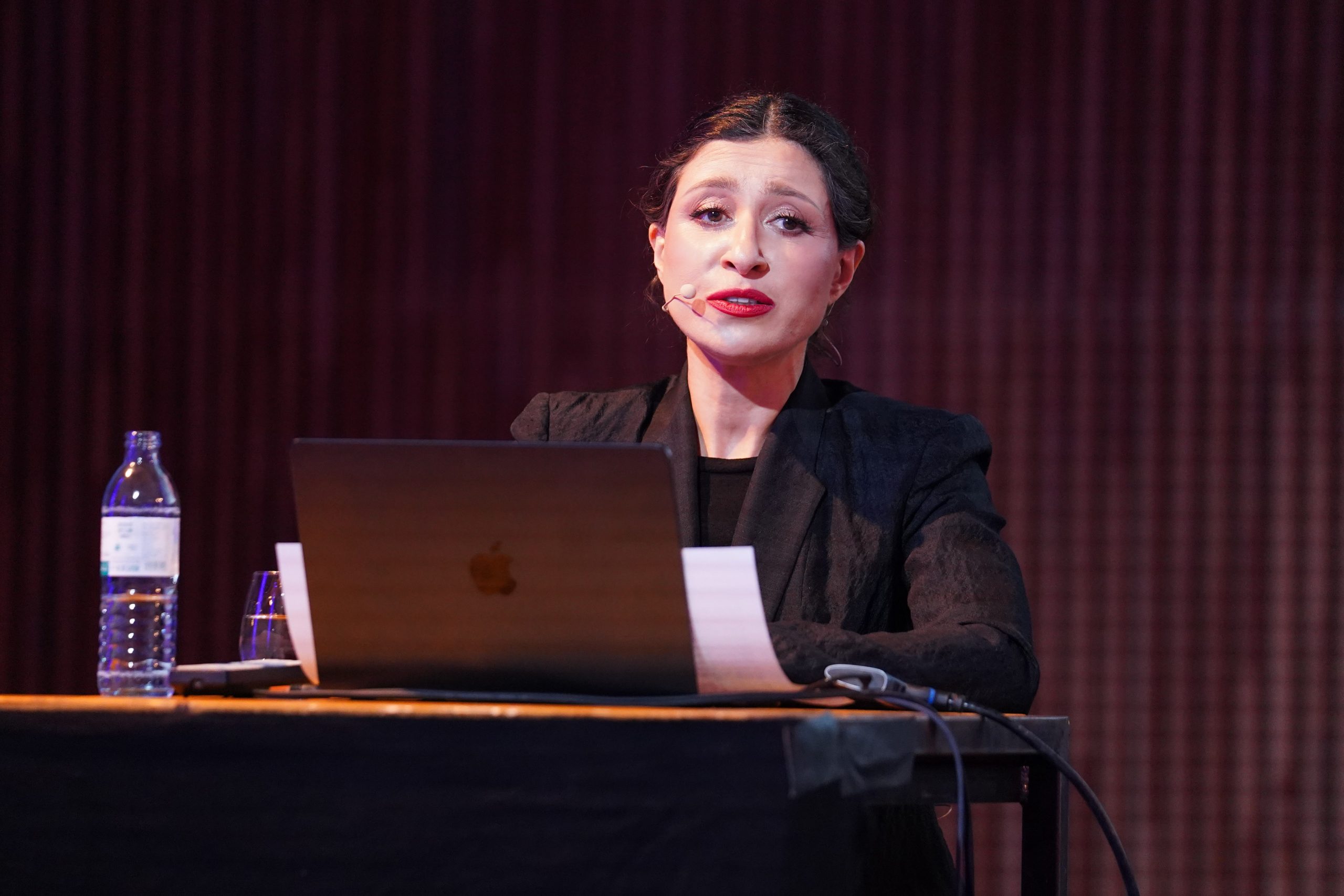
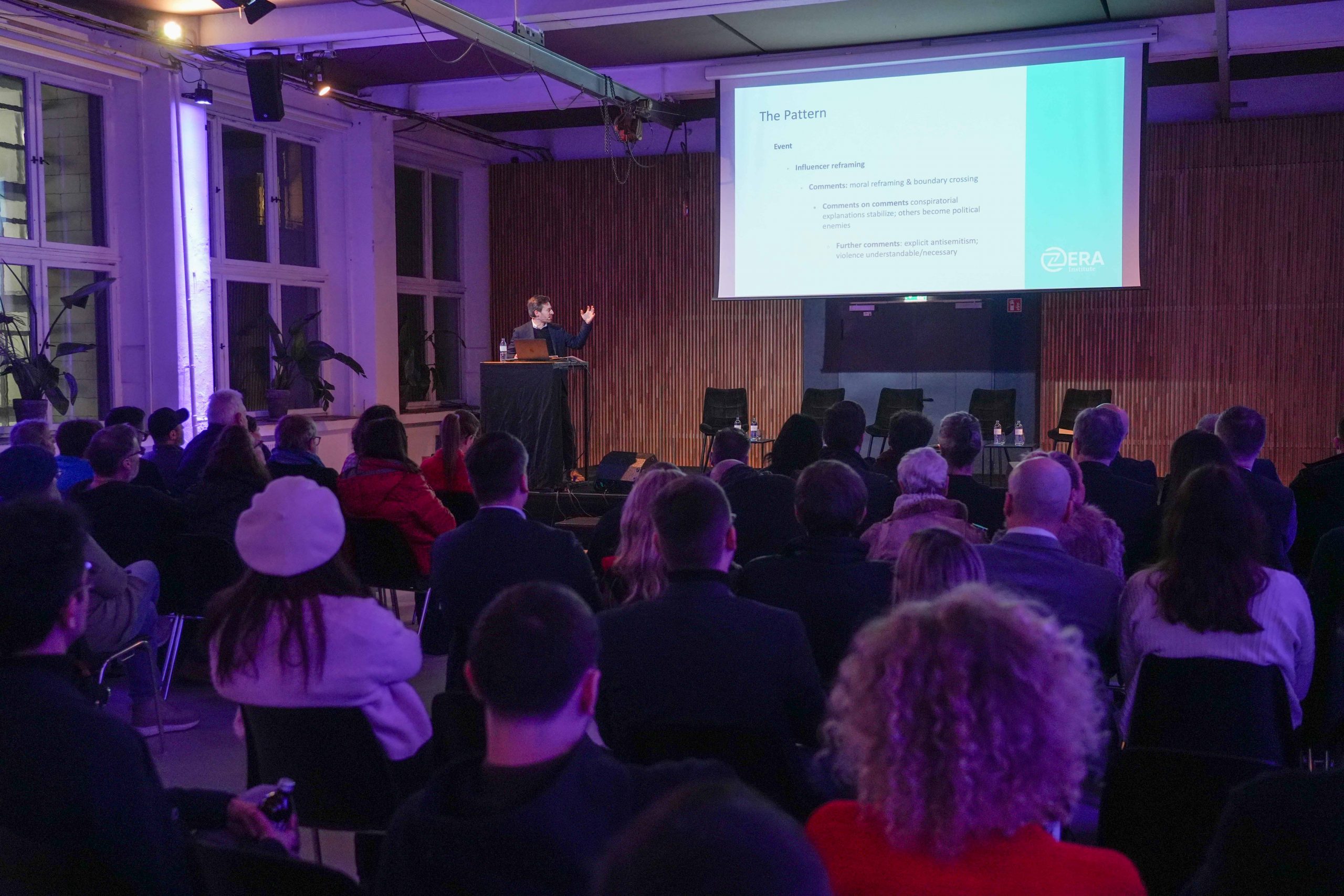
On January 29, 2026, guests gathered at the Alte Münze in Berlin for an event hosted by the ZERA Institute to discuss the role of digital spaces in radicalization, antisemitism, and the normalization of violence.
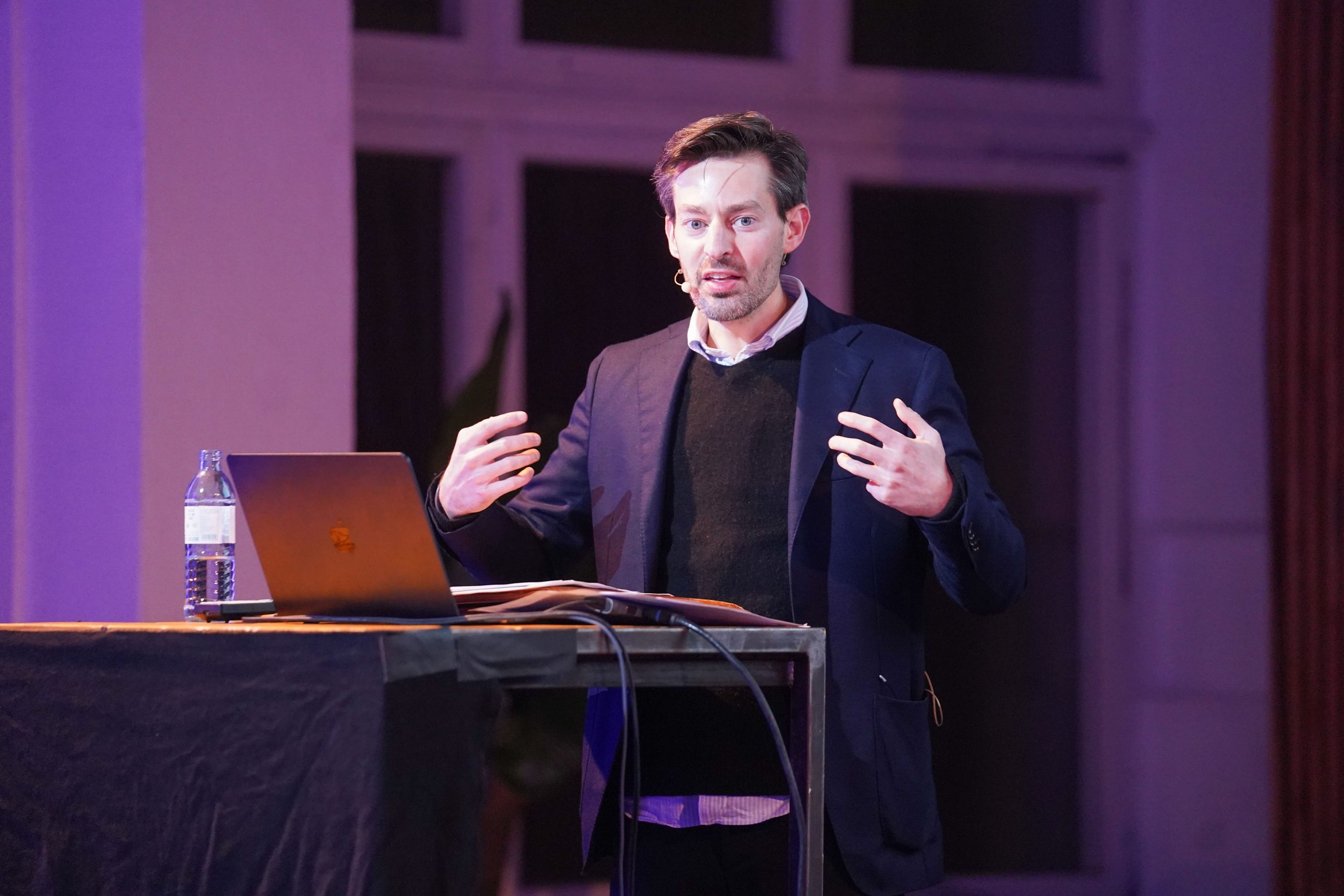
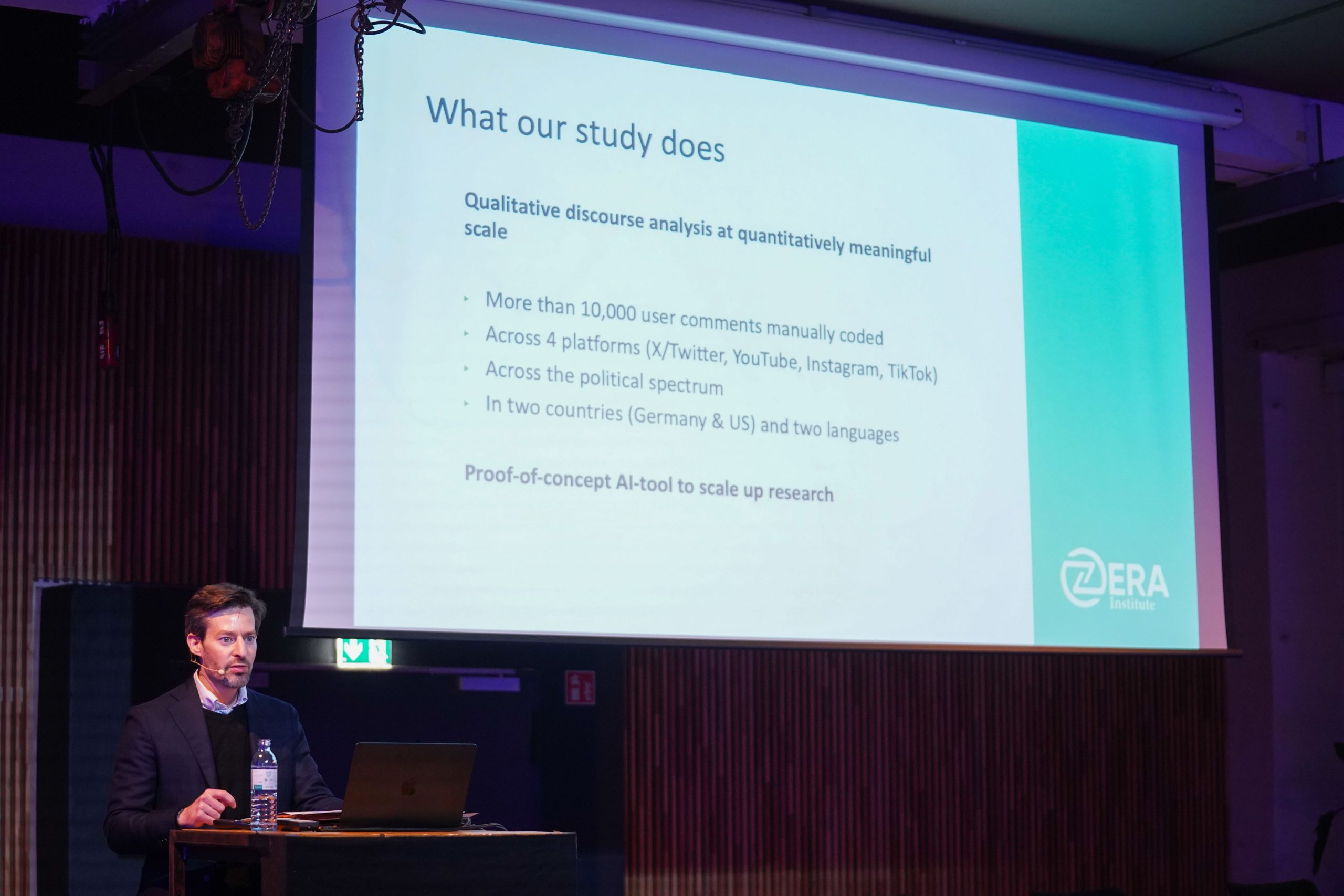
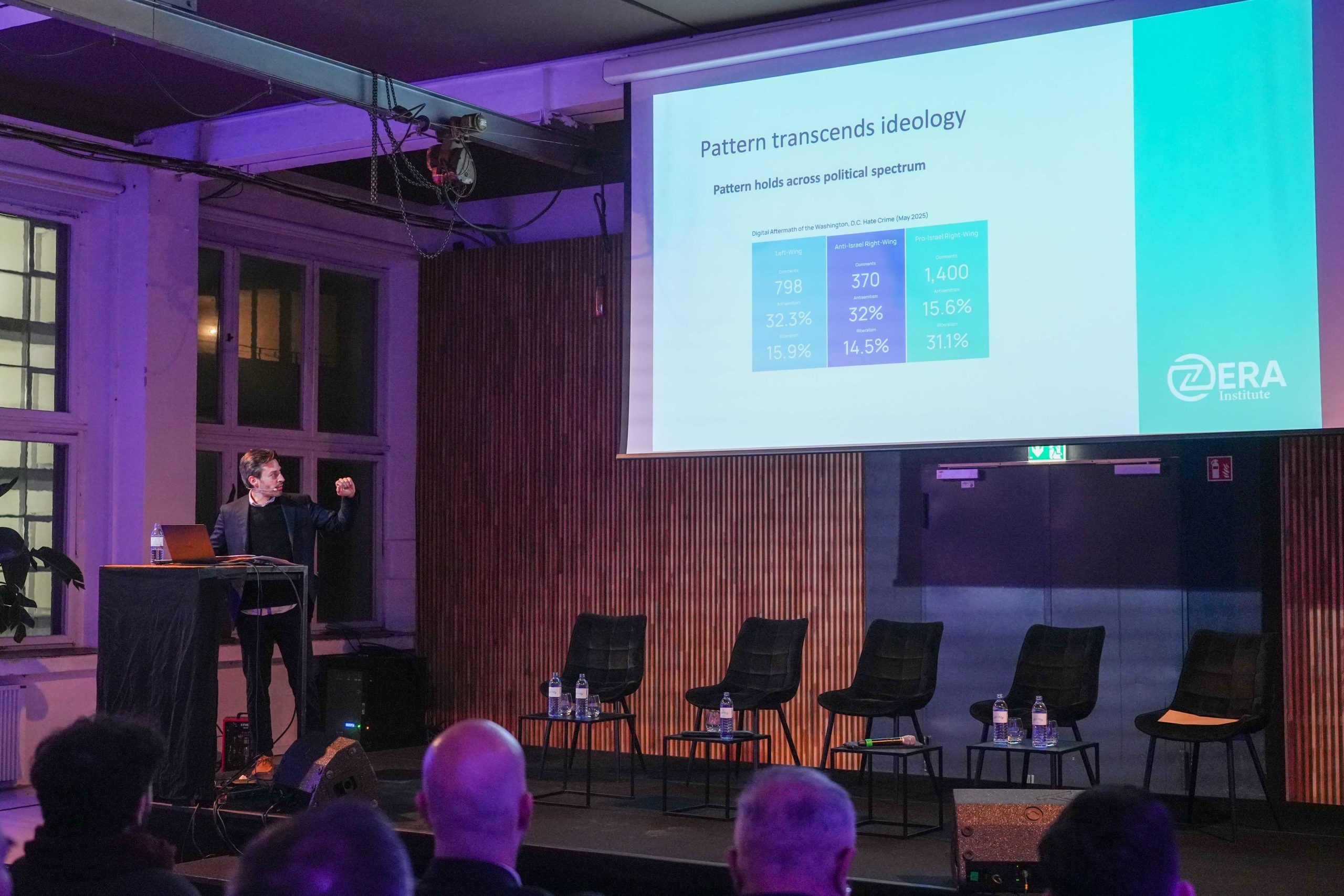
Following opening remarks by Maral Salmassi and Mark Pinhasov, Prof. Benjamin Folit-Weinberg presented key findings from the research project “Extremism and Attacks on Democracy: Online Radicalization, Antisemitism, and AI,” stepping in for Research Director Dr. Matthias J. Becker, who was unable to attend due to illness.
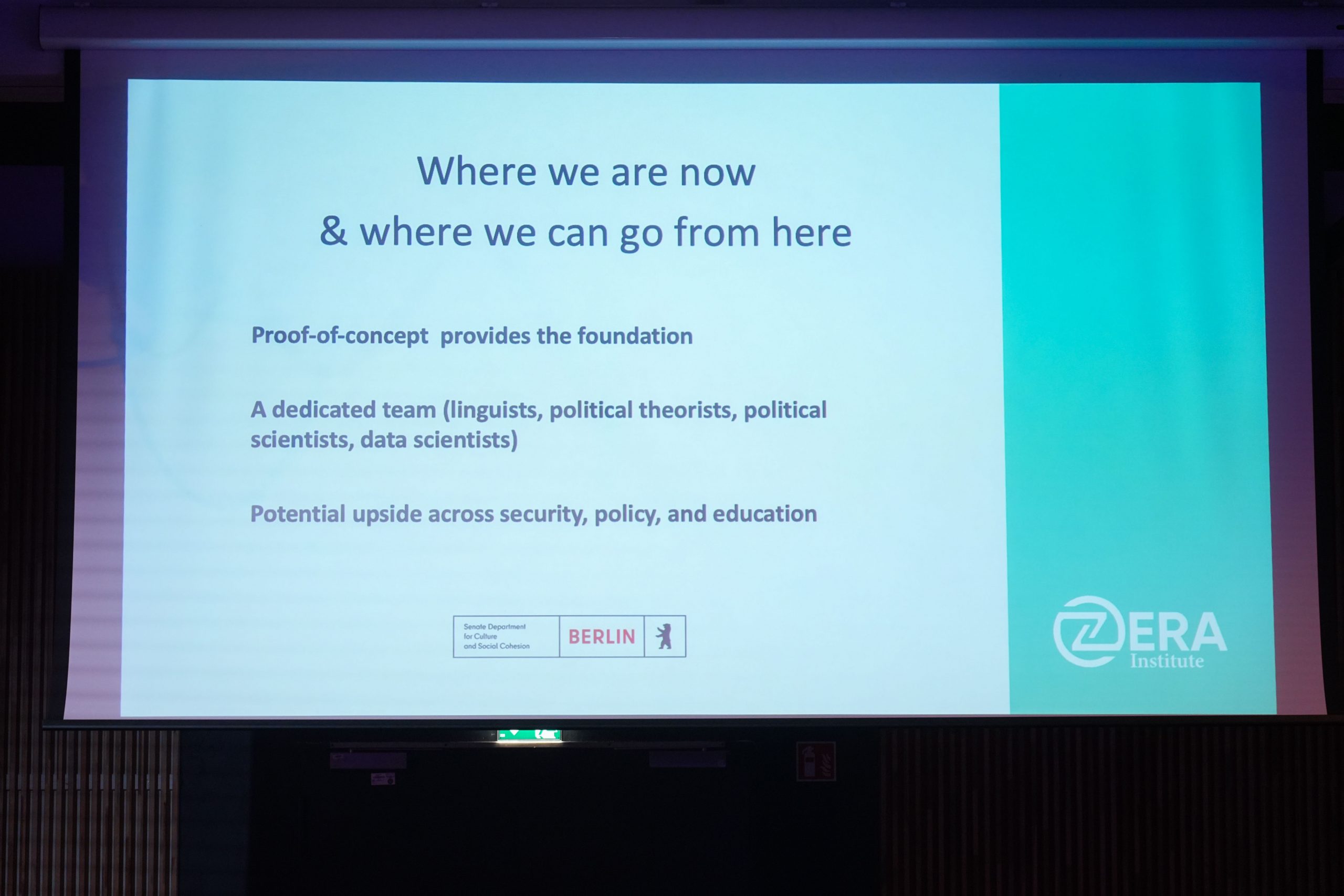
The evening also marked the publication of Reports 1 and 2, which, for the first time, empirically demonstrate how illiberal discourse emerges within the digital mainstream and translate these findings into a policy- and practice-oriented research agenda.
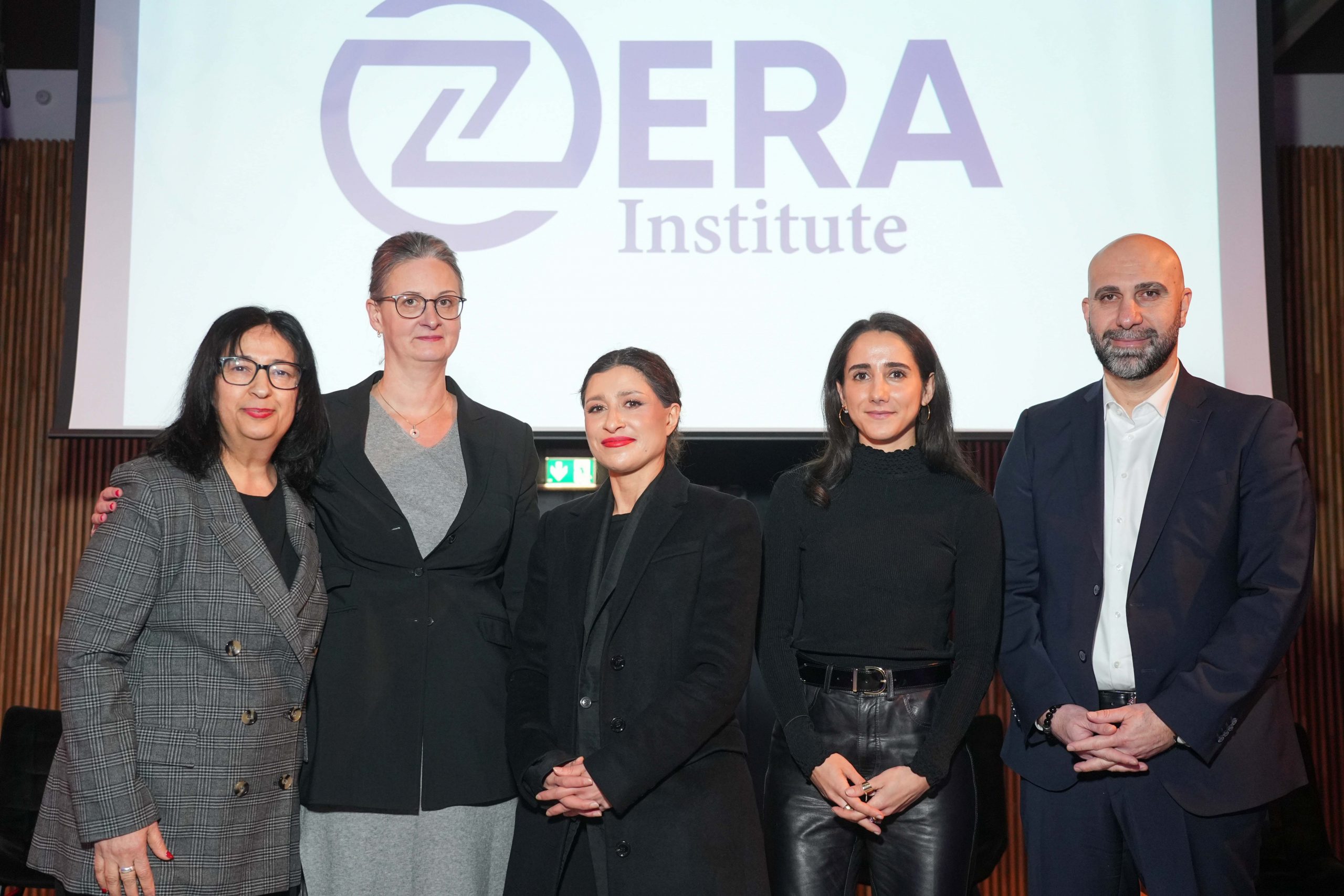
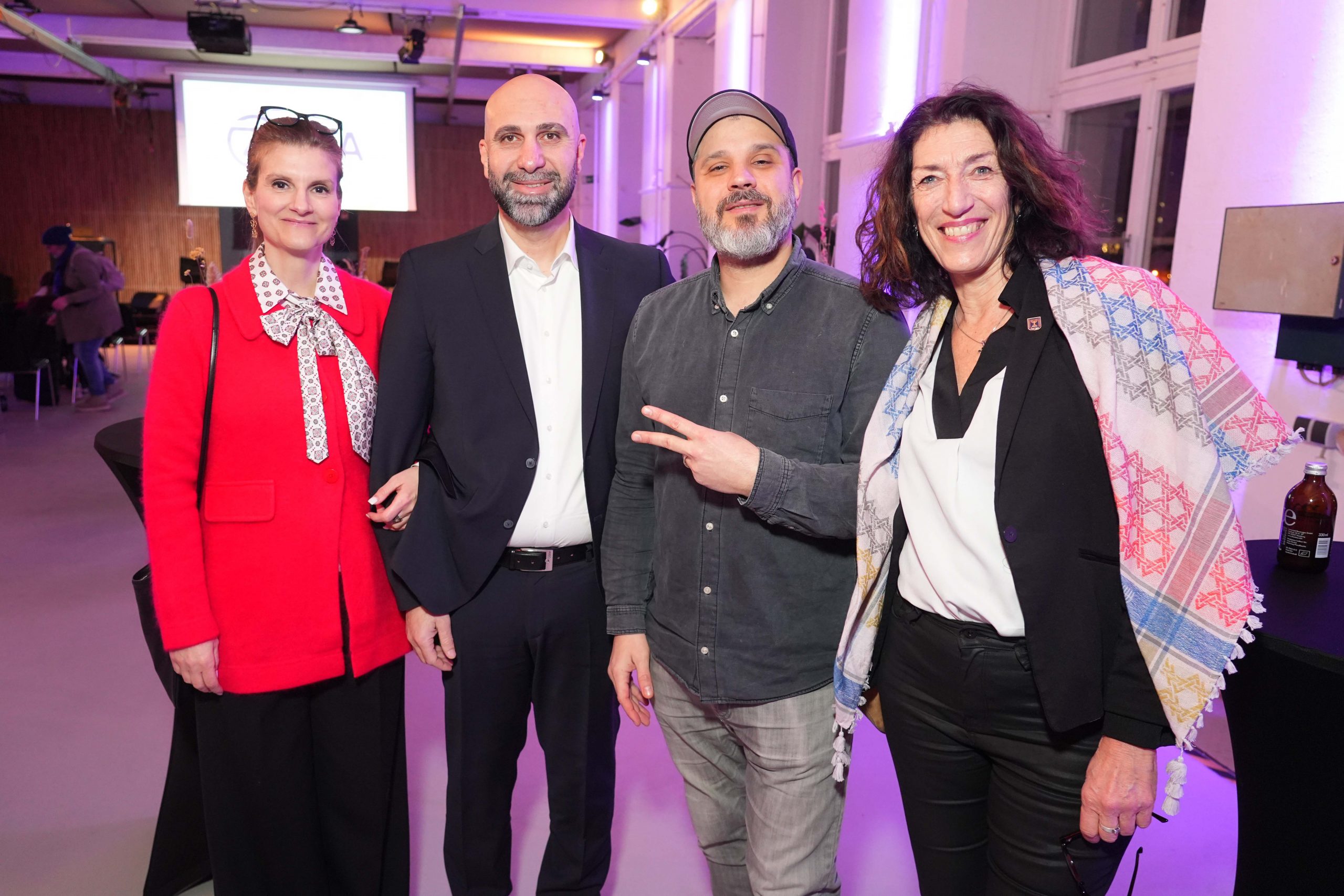
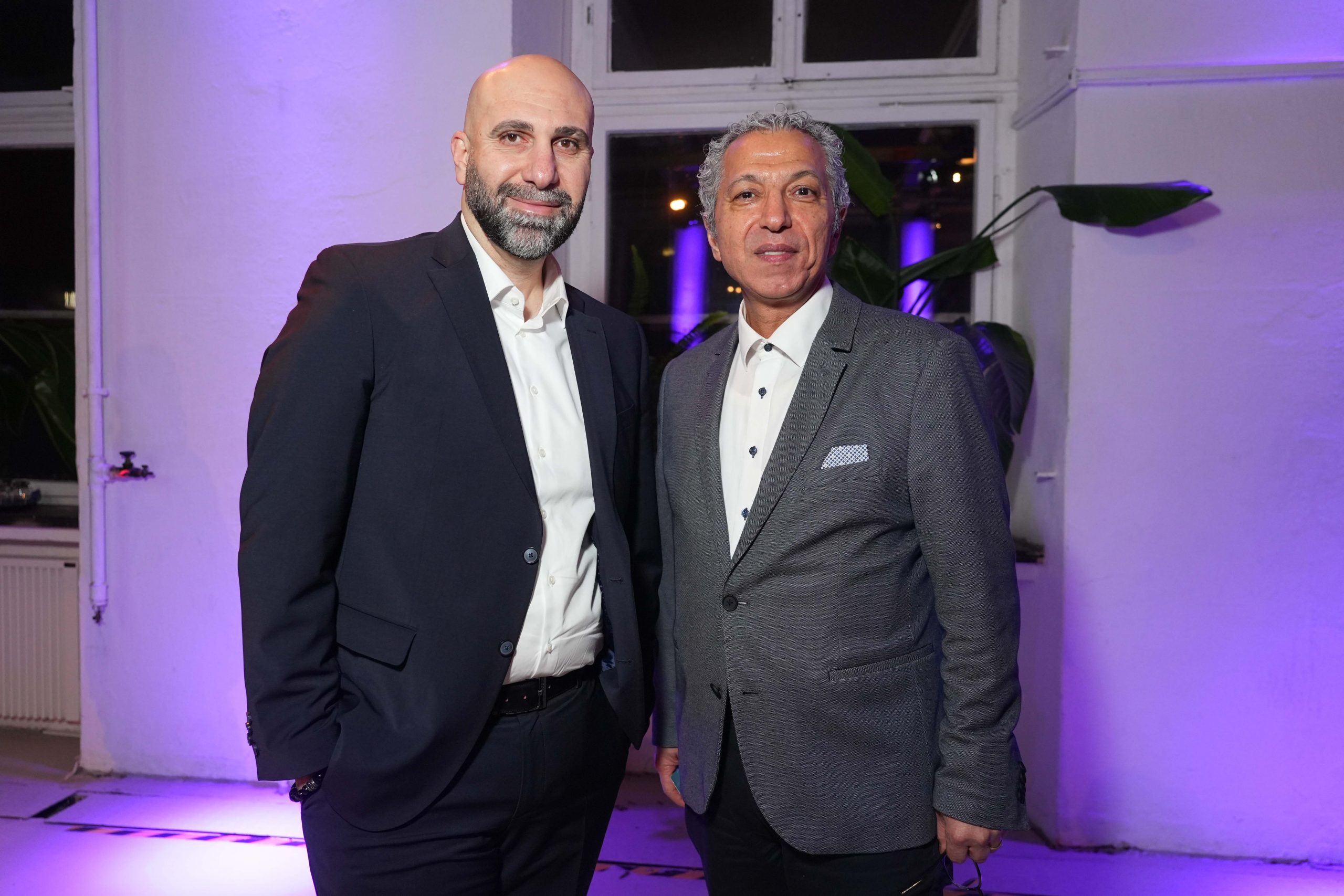
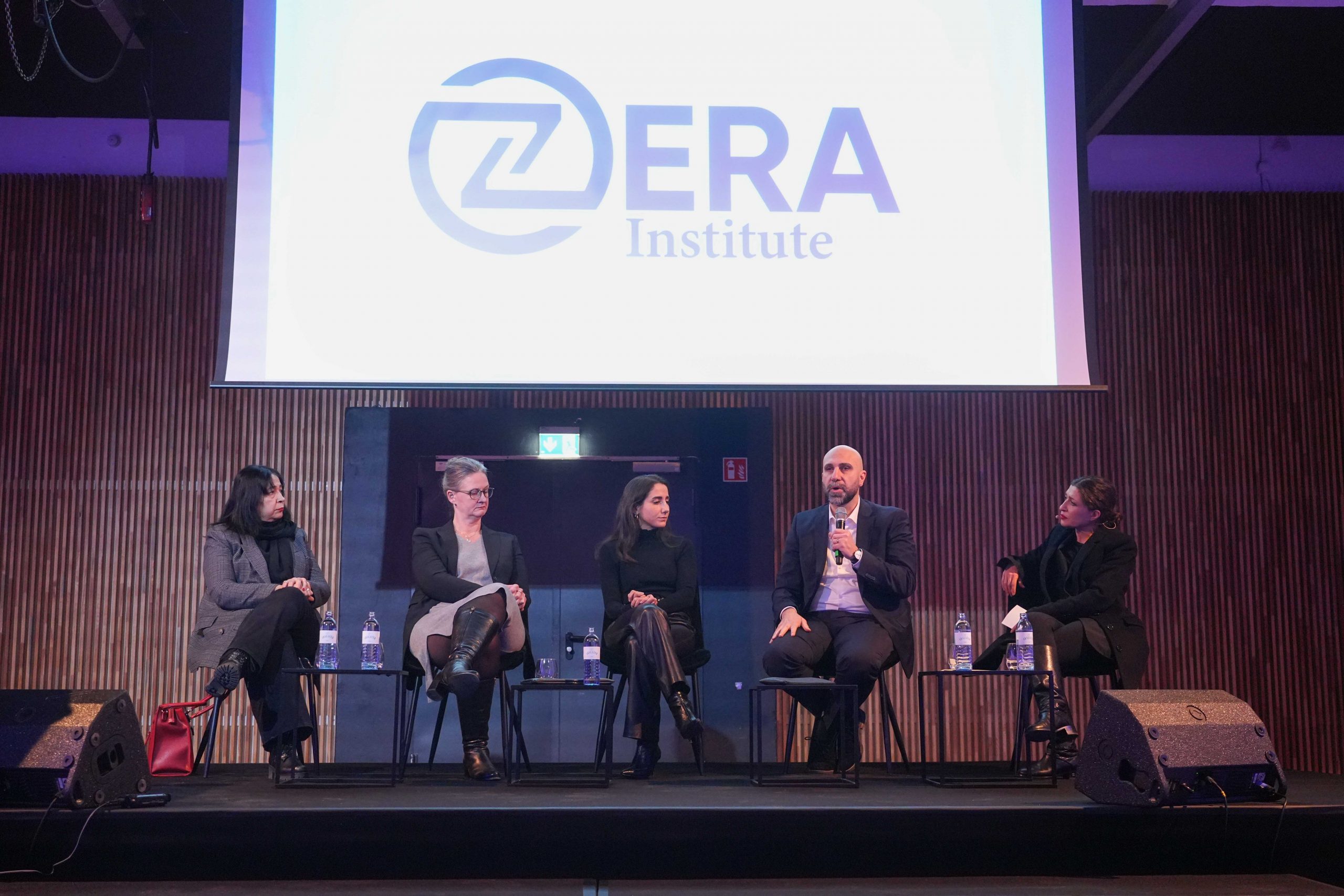
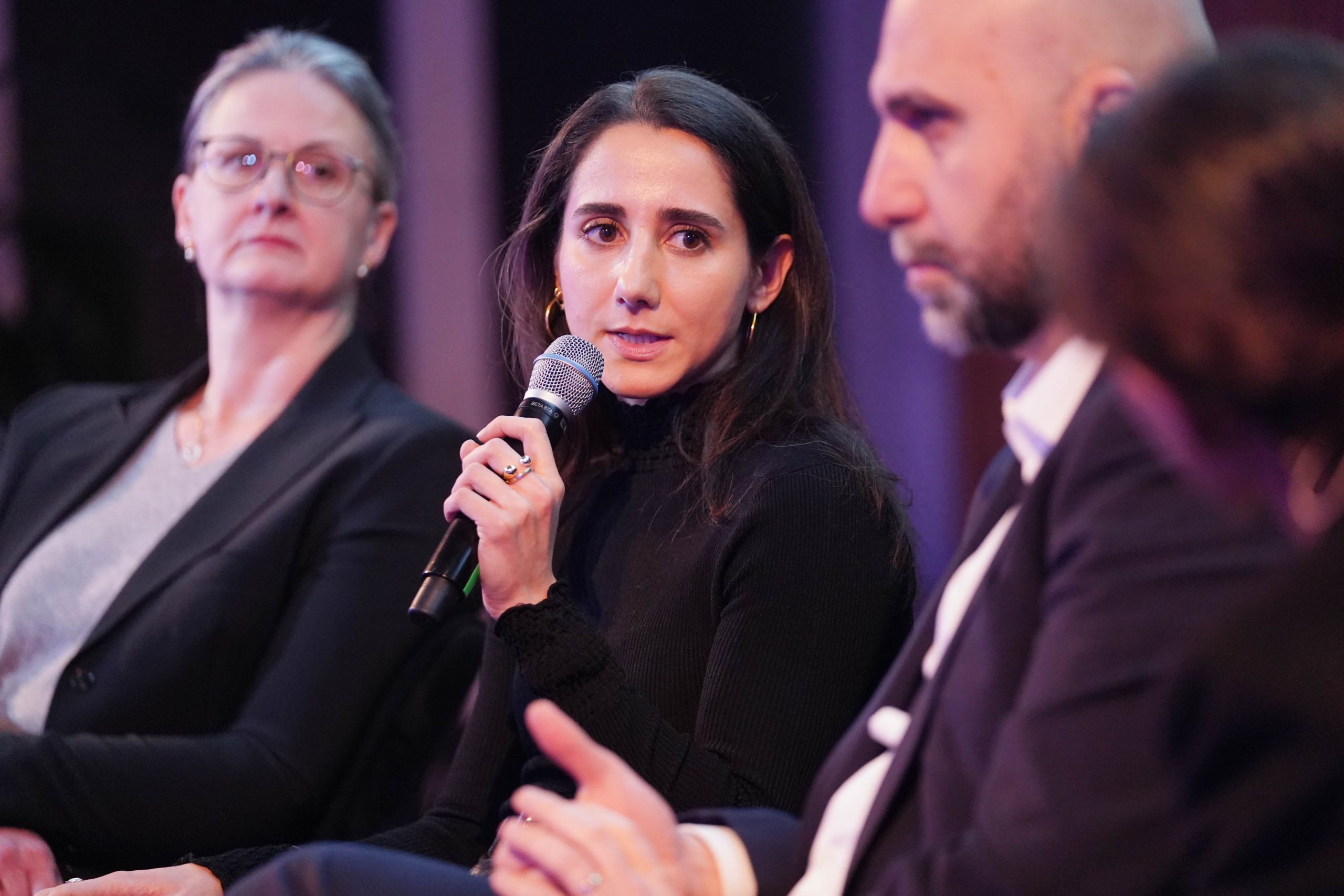
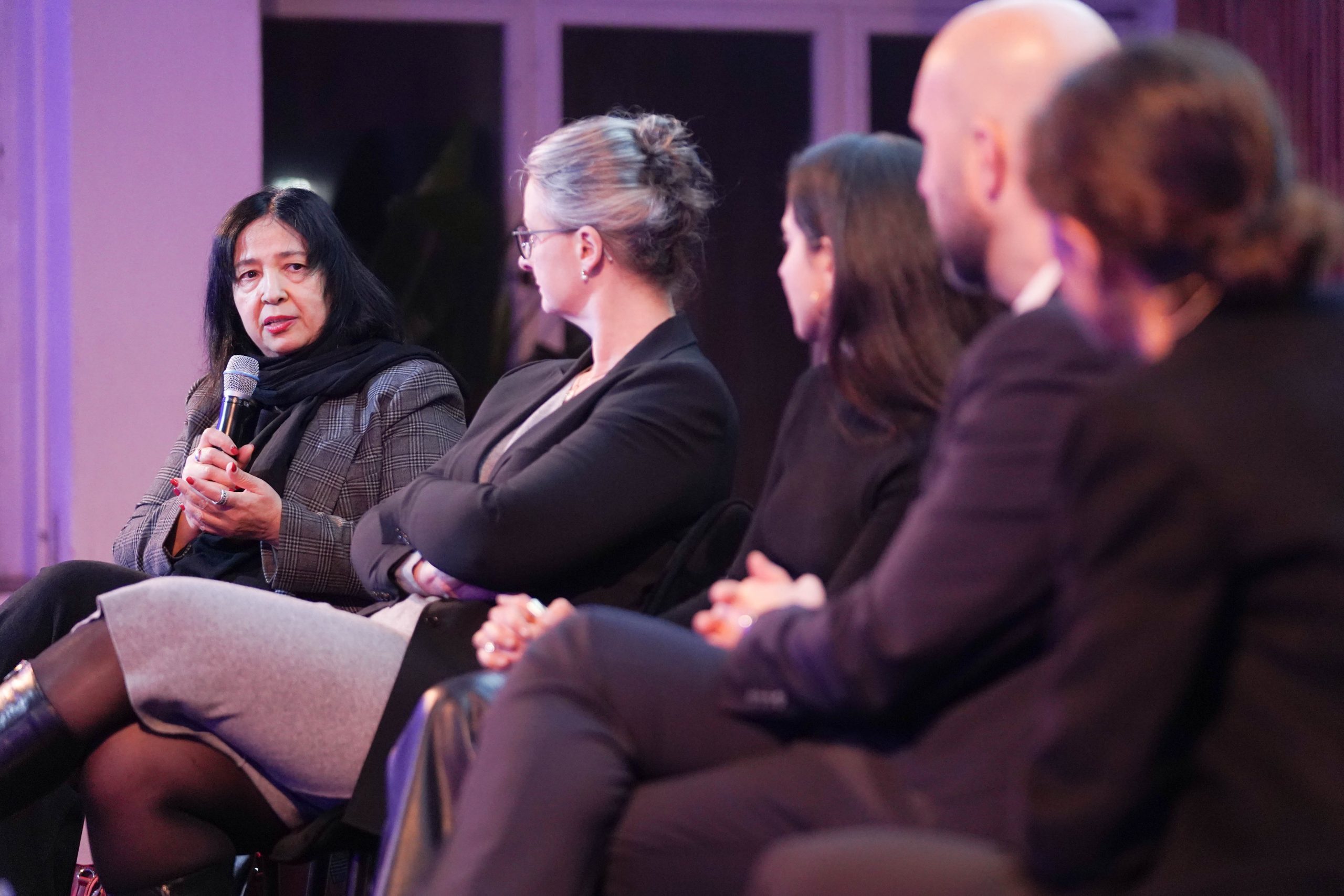
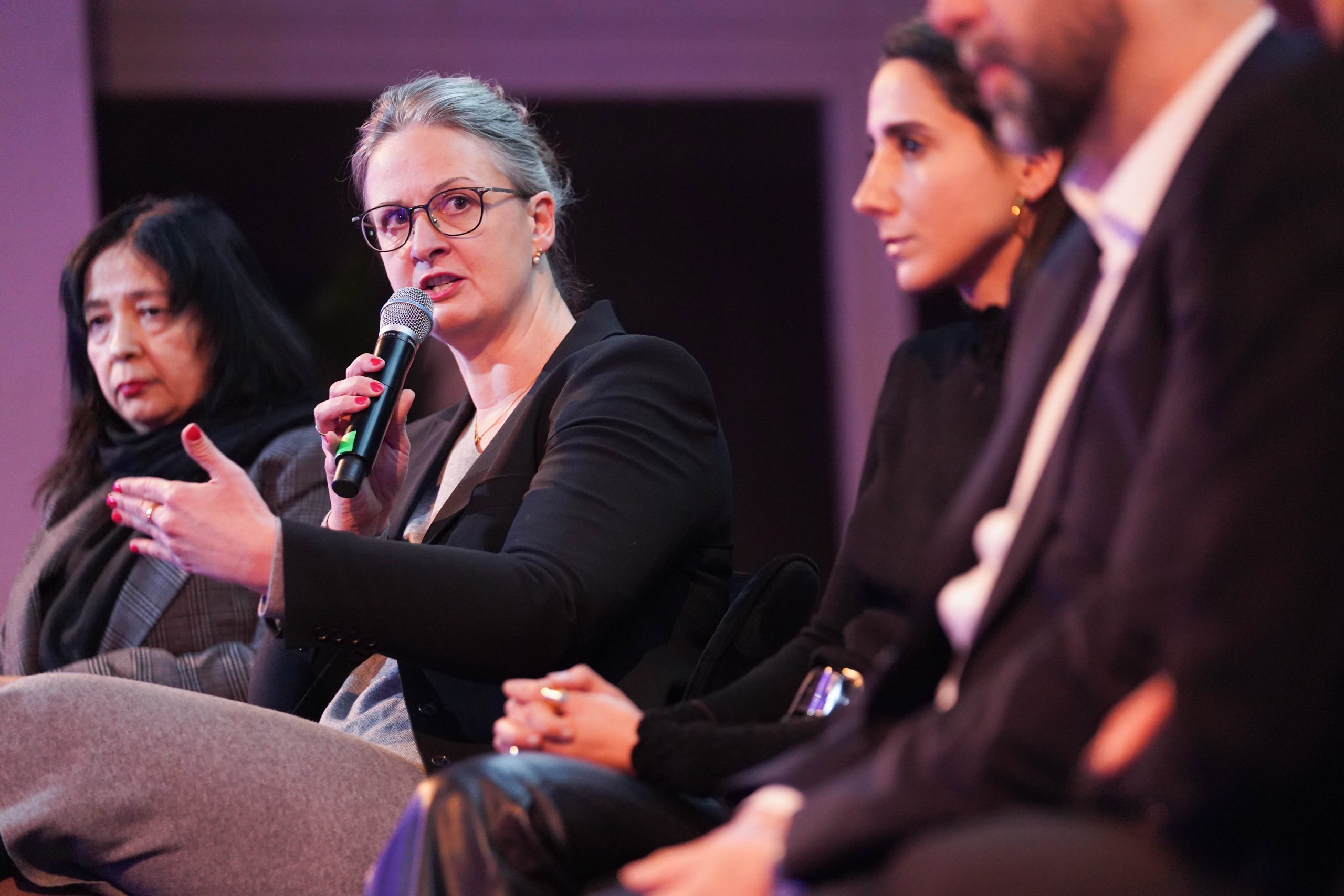
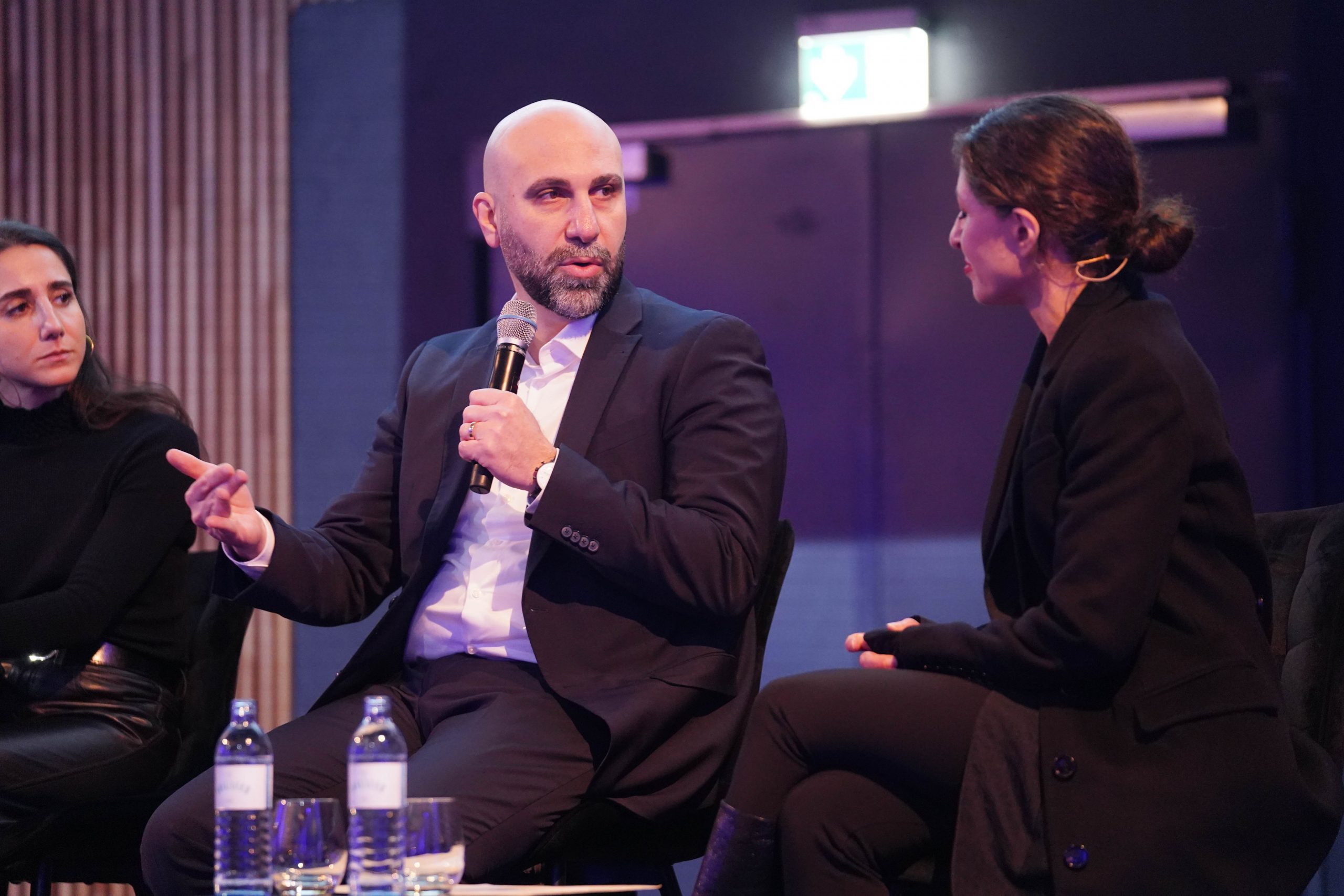
In the subsequent panel discussion, “Words Have Consequences,” moderated by Maral Salmassi, Seyran Ateş, Ariella Chmiel, Rebecca Schönenbach, and Ahmad Mansour discussed responsibility, language, and the limits of tolerance toward extremist ideologies.
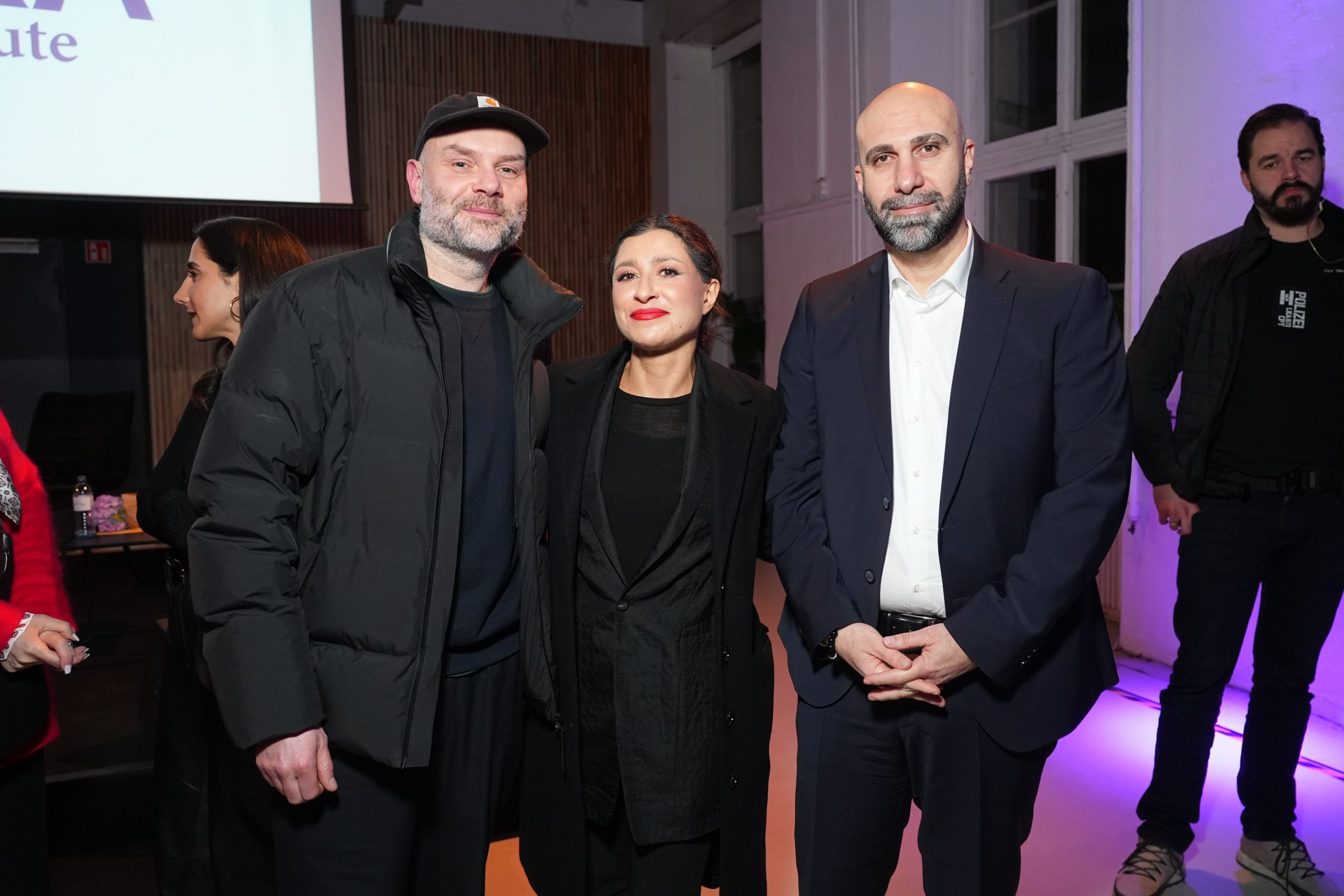
The event concluded with an open get-together and further exchange. We thank all guests, panelists, and supporters for their engagement.
Words Have Consequences: Culture, Narratives, and Responsibility in Addressing Antisemitism and Extremism
Maral Salmassi moderated the panel discussion “Words Have Consequences: Culture, Narratives, and Responsibility in Addressing Antisemitism and Extremism” with the following speakers:
- Seyran Ateş, lawyer, author, women’s rights activist, and founder of the Ibn Rushd–Goethe Mosque in Berlin
- Ariella Chmiel, political scientist and co-founder of Coffee with a Jew
- Rebecca Schönenbach, independent consultant specializing in counterterrorism and extremism prevention
- Ahmad Mansour, Israeli-German psychologist and author of Arab-Palestinian background